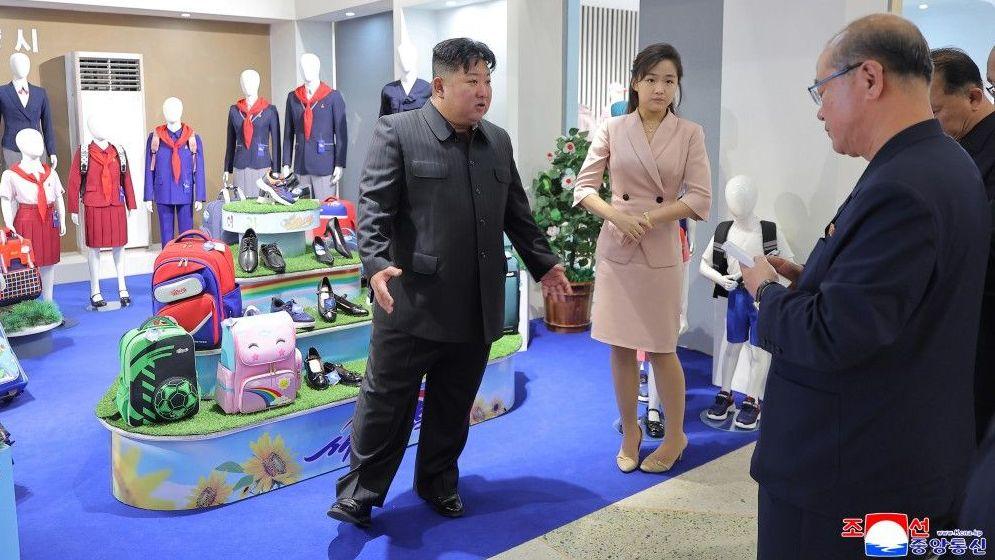
After a viral claim that North Korea’s top leader had died, state‑run Rodong Sinmun released a photo series that set the record straight. The 42‑year‑old Kim Jong Un is captured walking a fashion showcase with his daughter, Kim Ju Ae, looking sharp and alert.
The rumours began when Wanjun Xie, a Chinese dissident living in the United States, posted what he described as an unverified report that Kim had suffered a brain haemorrhage, was taken to Beijing, and subsequently died in a coma. The picture, released less than two hours later, presents a different reality.
North Korea’s opaque information environment means that even small leaks can ignite widespread speculation. Intelligence services in neighboring countries and Washington keep a keen eye on Kim’s health. His weight, smoking habit and family history of cardiovascular disease add credence to the concern even if the footage shows him in good condition.
Beyond personal health, the succession question looms. Kim Il Sung groomed his son straight through the ranks, but Kim Jong Un’s rise was quicker and less predictable. South Korean agencies have warned that Kim’s daughter, only thirteen, may be positioned as a successor – a woman leading a regime that has never had a female head – heightening uncertainty.
The persistence of death rumours illustrates how North Korea may deliberately spread ambiguity and information mis‑direction to mask internal realities, a tactic that keeps the rest of the world guessing.