In brief
The Azerbaijani Ministry of Education’s latest school uniform decree, approved on September 21, bans clothing that conflicts with secularist principles – a decision that effectively forbids hijabs in state schools. On Monday, the rule was enforced, prompting students and parents to gather outside schools in Baku and the southern provinces, sparking the nation’s first public protests in years. The crackdown has been swift: 37 detainees were arrested, while a mother of a detained girl and an activist running a free‑education platform have gone silent amid internet censorship. The ban has provoked anger in Turkey, where MPs and religious organisations have publicly condemned the restrictions, raising tensions along a fragile alliance that survived the 2020 Nagorno‑Karabakh war.
Azerbaijan’s new uniform policy forces students out of classrooms
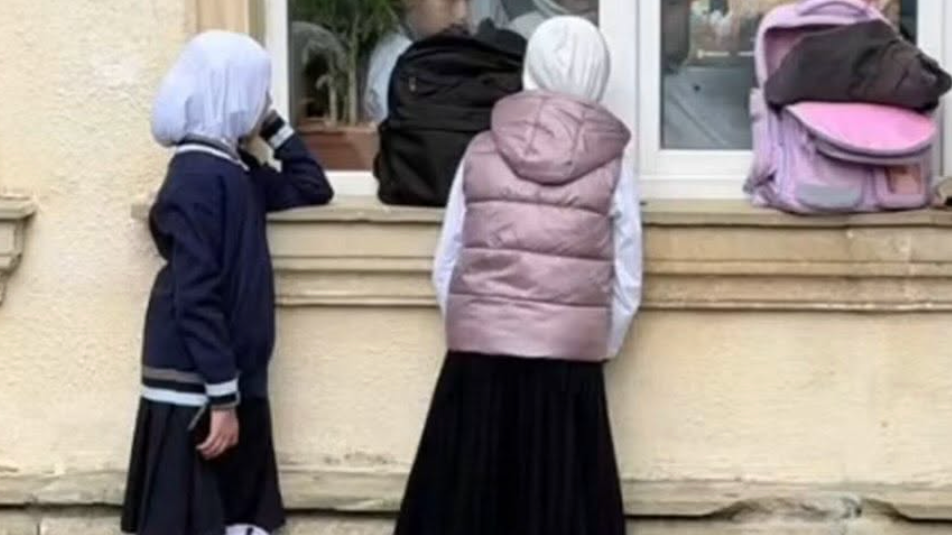
Last Monday the Azerbaijan Ministry of Education rolled out a headline‑making directive that bans any clothing items deemed to conflict with the country’s secular ethos. While the text does not explicitly mention the hijab, the policy has effectively barred girls wearing the veil from attending state schools.
Images of a teenage student in a navy blue Islamic headscarf confronting a school guard in Baku quickly went viral. “You are telling me I can’t come to school?” the girl shouted, and she received backing from peers who shouted, “Why should I give up my religion?” Hands washed up a chorus of dissent that came to a halt only when a school gate was turned away.
The policy’s formal launch on September 21 spread across the capital and southern districts such as Masally and Jalilabad – regions with a strong conservative tradition. Within hours, demonstrations erupted outside schools, with protesters holding banners proclaiming, “The hijab does not prevent anyone from getting an education.”
Severe crackdowns followed. Interior Minister reports said 37 people were detained for attempting to defy the rule. In one case, Shahiza Huseynova, a mother in Baku’s Mashtaga district, was arrested after the authorities warned her that failure to remove her child’s hijab would result in imprisonment. Her husband later said the woman had received a threat: “Either you take off your child’s hijab and send them to school, or you go to prison.”
Activist Ilkin Huseynov, who had set up an online volunteer tutoring service called “Let Leyli Go to School,” reportedly left his home under a veil of secrecy on Wednesday. Friends report he has not been heard from since, and the platform’s social media pages are down as the government imposes restrictions on Instagram and TikTok.
The Azerbaijani state cites secularism—an article of the constitution—as the legal basis for the ban. Parliamentary MP Nigar Arpadarai defended the policy, warning that children are not free to choose a religion and that parents shape that choice. Yet the policy has shed light on deep societal fault lines: a majority Shia Muslim nation wary of Iranian influence, whilst culturally tied to a Sunni‑majority Turkey.
The decree has blurred diplomatic lines. Turkish officials, including adviser Oktay Saral and members of the governing AK Party, have openly criticized the ban, describing it as “unacceptable” and an embarrassment for the region. Small rallies outside the Azerbaijan embassy in Ankara and the consulate in Istanbul signaled growing tension. President Recep Tayyip Erdoğan’s statements about building a “pious generation” have intensified Azerbaijani concerns that Turkey is encroaching on its internal affairs. In response, President Ilham Aliyev warned, “No one should stick their noses into our way of life.”
Beyond ideology, the controversy may also reflect Azerbaijan’s balancing act between its close ties to Israel—suppliers of arms and buyers of oil—and its nationalist aspirations in the region. When Israel’s President Isaac Herzog addressed a security summit hosted by Azerbaijan in Baku, delegations from Turkey and Iran walked out, underscoring how the hijab ban has become a proxy point on broader geopolitical dynamics.
As the protests continue and the government tightens its grip, the situation remains fluid. The next steps from both Azerbaijan and Turkey will shape the future of secular policy, religious expression, and diplomatic relations in the South Caucasus region.