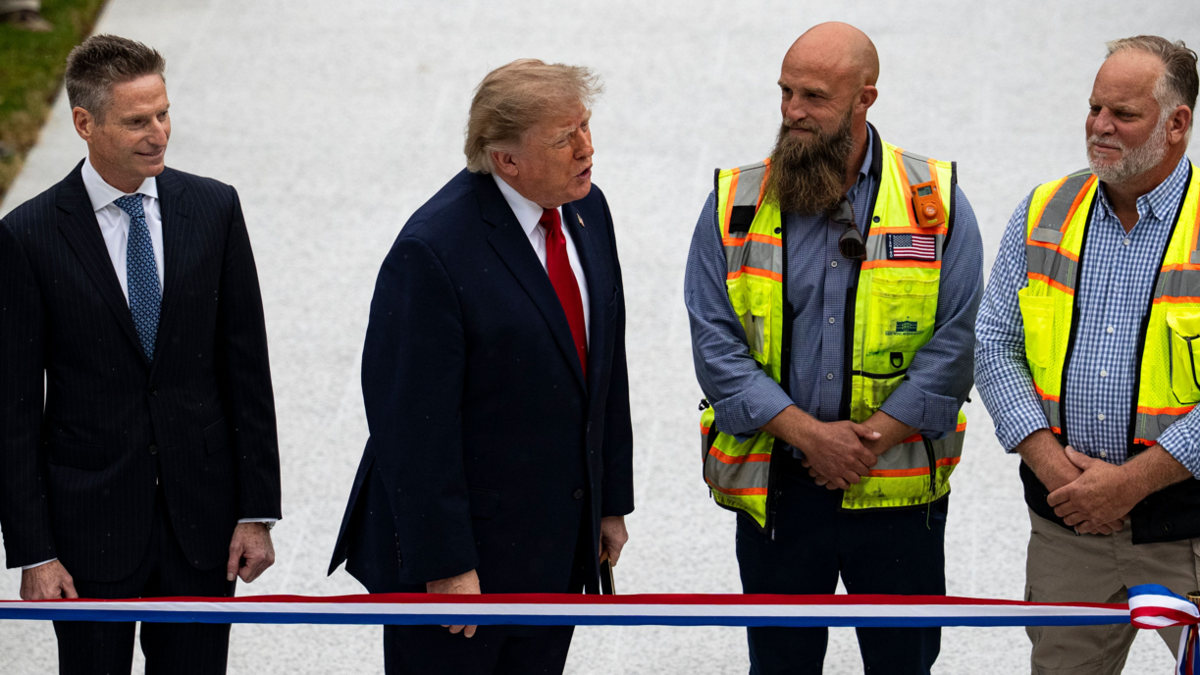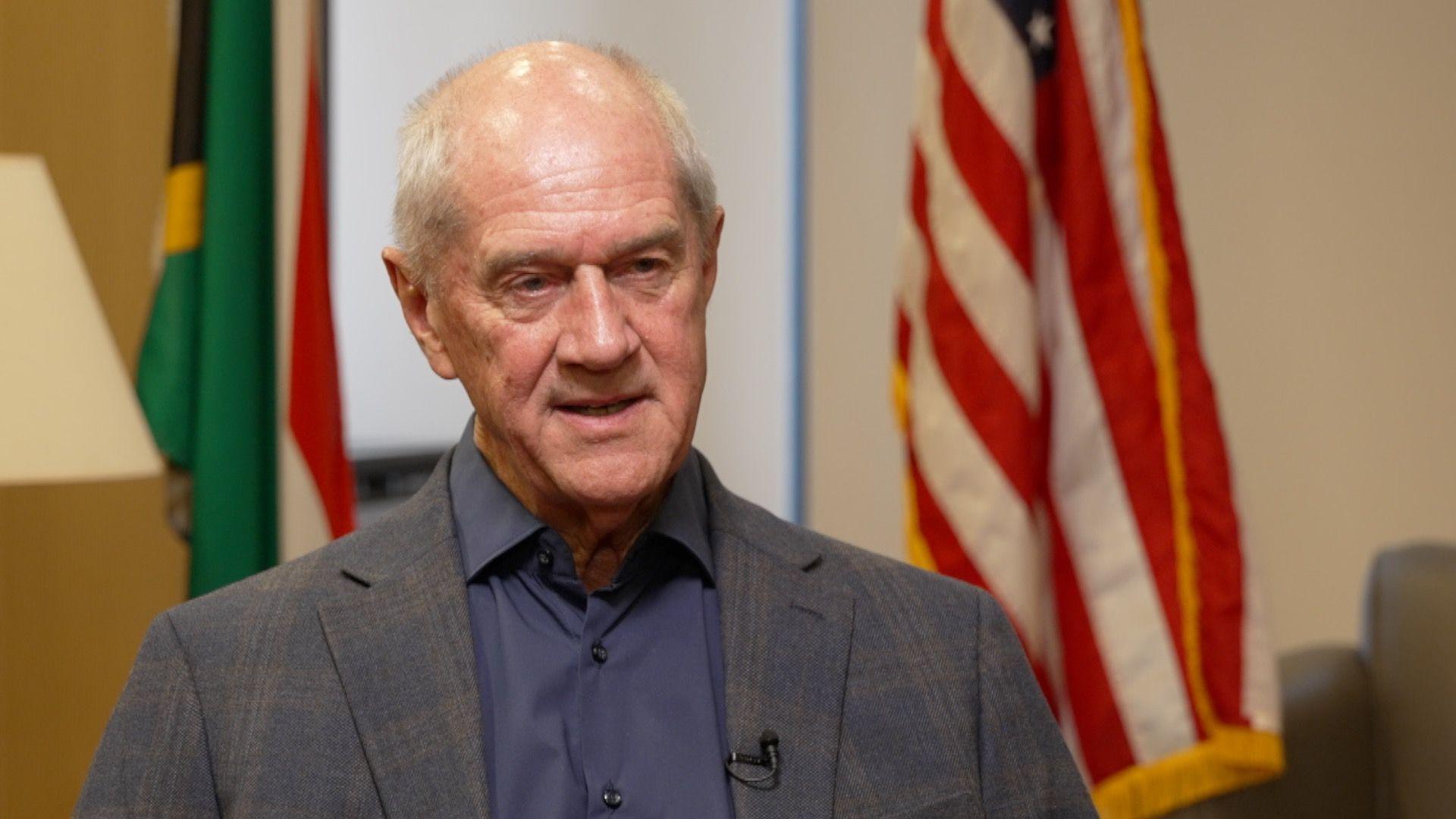
South Africa’s new U.S. ambassador, Roelf Meyer, has publicly dismissed former President Donald Trump’s claims of a “white genocide” against Afrikaners. Speaking to the BBC, Meyer said the notion of mass attacks on the white minority does not exist, citing the lack of evidence and his own experience as a key mediator in ending apartheid.
Meyer, who was appointed in April after tensions rose between the two countries, noted that the U.S. refugee pathway launched by Trump has seen almost 13,000 arrivals, the vast majority of whom are South Africans. He argued that the policy “does not qualify as persecution” and raised concerns that it threatens to divert scarce U.S. refugee slots from those fleeing war or ethnic cleansing.
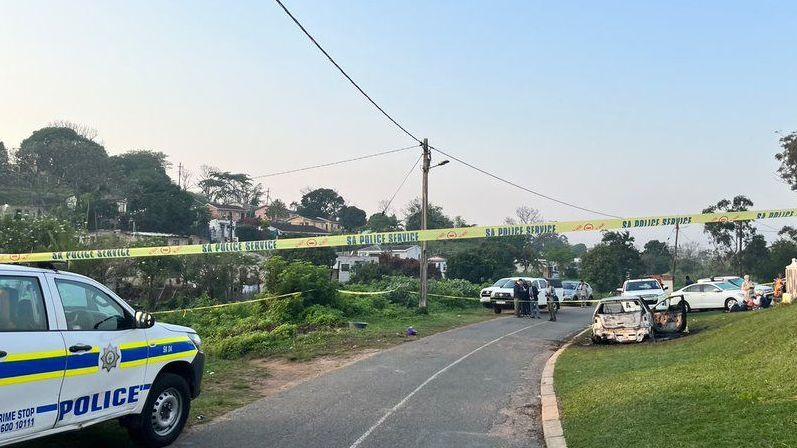
The ambassador also criticised the Trump administration’s executive order that effectively labels South Africa a destination for “farm attacks.” He urged Washington to recognise the wider crime challenges in South Africa, stressing that violent crime peaks in black townships rather than on white farms.
Meyer said he would push for the revocation of the order and for U.S. resources to help South Africa combat crime, including fast‑response equipment. He warned that protests outside Washington, such as the cross‑laying vigil on the National Mall, would not aid the Afrikaner community if they did not meaningfully address domestic issues.
The story also highlighted criticism within South Africa, with pastors like Rudi Swanepoel arguing that the refugee program is more about a “loss of privilege” than genuine persecution. He likened the shift in power to sharing a cake that was once only for the white minority.
Overall, Meyer’s remarks cast doubt on Trump’s rhetoric and signal a potential diplomatic push to correct the narrative surrounding South Africa’s social and security issues.