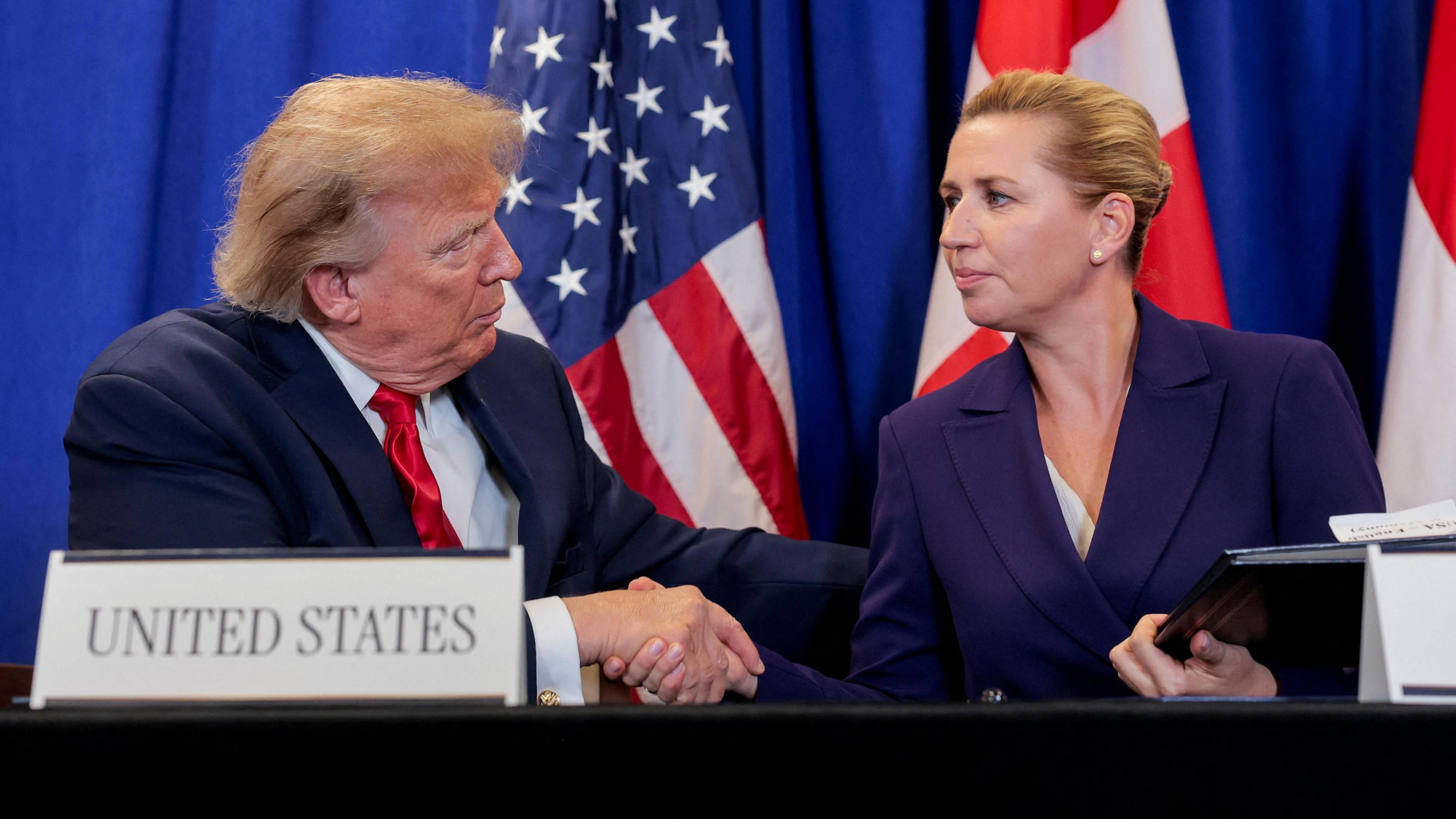
On 22 September 2026, an unprecedented defence agreement was signed at the United Nations General Assembly in New York by U.S. President Donald Trump, Danish Prime Minister Mette Frederiksen and Greenland’s leader Jens‑Frederik Nielsen. The treaty allows Washington to establish a new military presence in Greenland, specifically a Defence Area at the former civilian airport of Narsarsuaq in the south and the remote outpost of Mestersvig in the east, while affirming Denmark’s sovereignty over the territory and Greenland’s right to self‑determination.
Trump vowed “immediately begin the process of developing a large military presence in the appropriate locations,” citing Greenland’s strategic importance and mineral wealth. Frederiksen described the deal as a “milestone” that “respects the sovereignty and territorial integrity of the Kingdom of Denmark” and a “win‑win‑win” for all parties involved – a sentiment echoed by Nielsen, who highlighted the treaty’s focus on the people of Greenland and their livelihoods.
The agreement expands on the original 1951 defence pact, which already gave the U.S. the right to station troops in Greenland. It now authorises US forces at Narsarsuaq and Mestersvig, with exact modalities and technical details to be negotiated. The treaty also bans any non‑NATO state—whether manned or unmanned—from establishing permanent military installations on Greenland, a provision that aligns with the broader NATO security architecture.
The U.S. currently operates its Pituffik Space Base in Greenland’s northwest, a key location for satellite tracking and early‑warning systems. The new treaty’s expansion of U.S. facilities will, according to Washington’s North Command, “modernise and expand” existing activities, thereby enhancing deterrence against potential threats from Russia and China.
Despite the tension that had dominated the previous months—when Trump’s public calls to acquire Greenland stirred international backlash—the signing ceremony exuded a notably upbeat and cooperative atmosphere. Trump emphasised “a tremendous relationship” that he believed would benefit both Europe and the United States; Frederiksen highlighted the treaty’s long‑term benefits for defense cooperation; and Nielsen underscored Greenland’s continued commitment to NATO.
Future steps require parliamentary approval in both Denmark and Greenland. Once ratified, the treaty will formalise the United States’ role as a strategic partner in the Arctic while keeping Greenland firmly within the NATO defence umbrella, thus ensuring stability in a region increasingly contested by great powers.

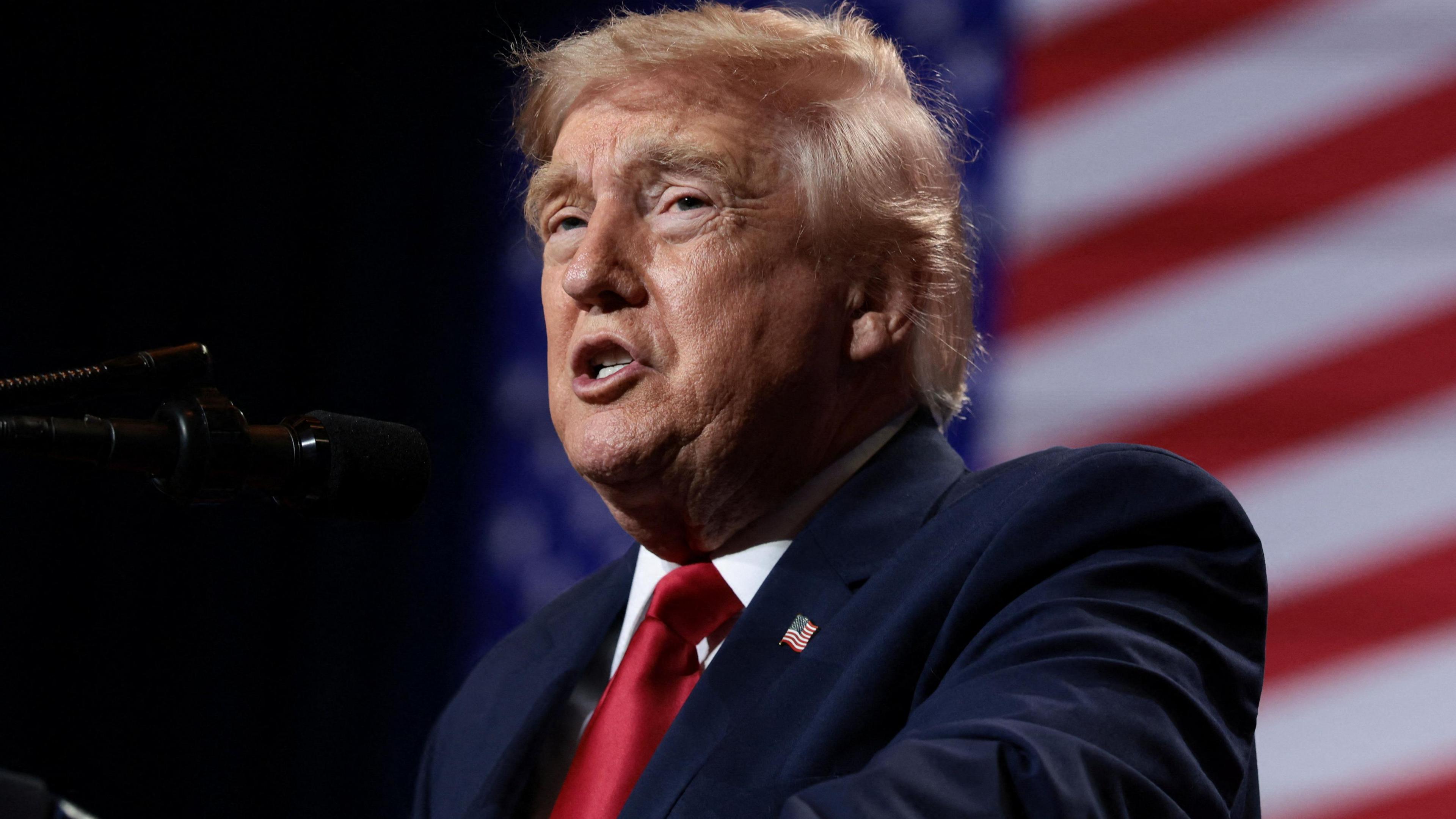
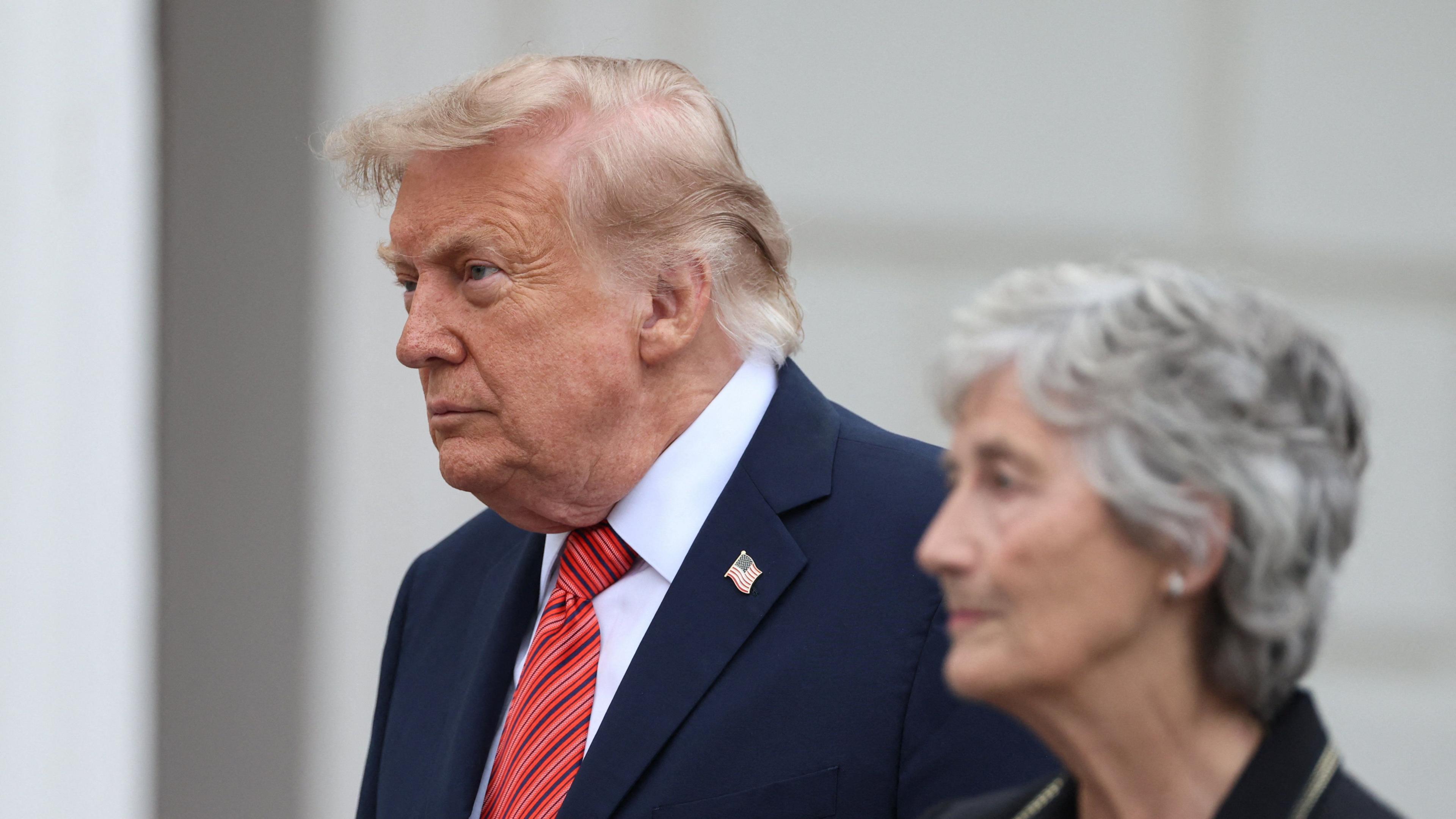
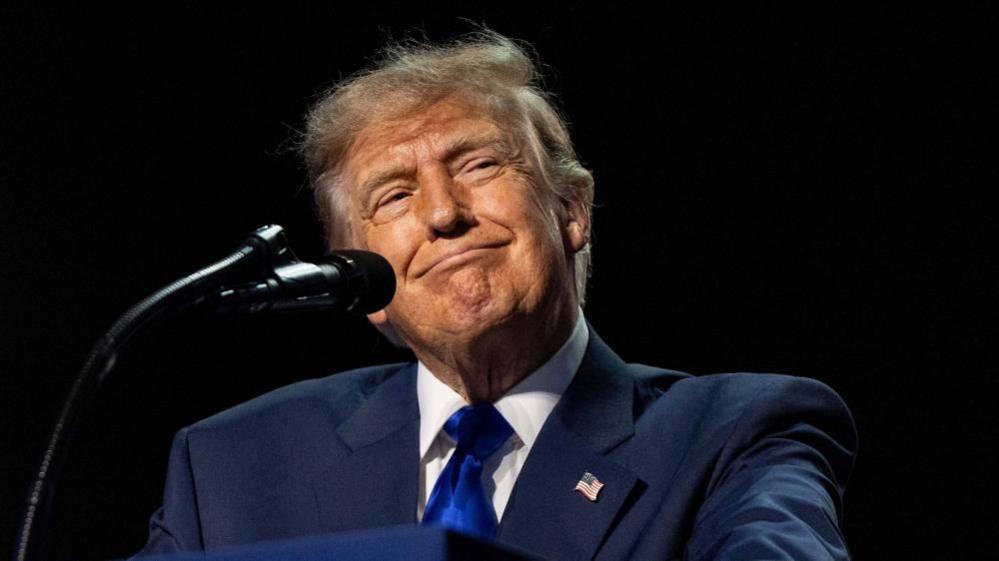
Image: Reuters – US President Donald Trump signs the agreement alongside Danish Prime Minister Mette Frederiksen.