A Quiet Pact in Washington: Xi Meets Trump, but the Race Continues
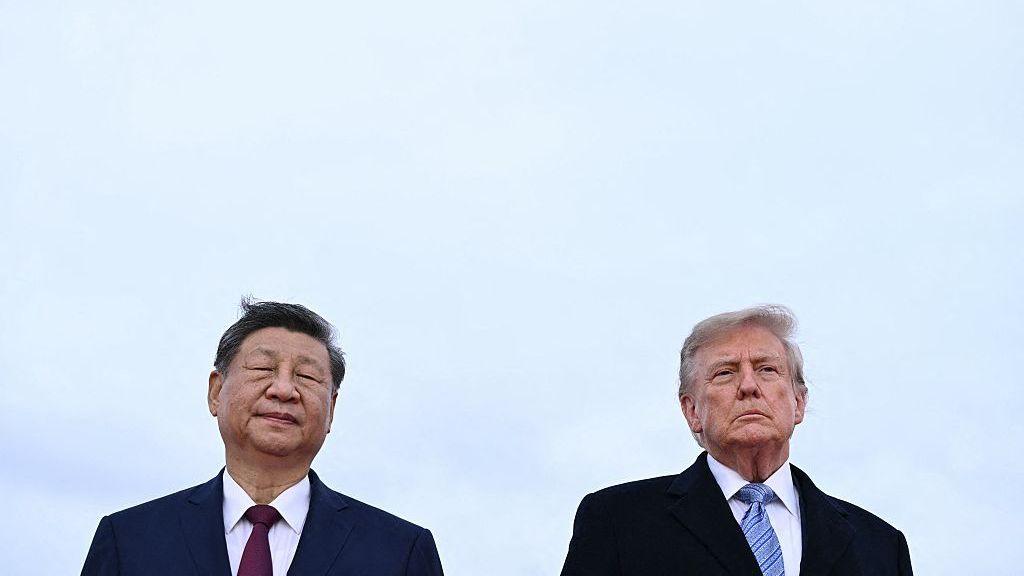
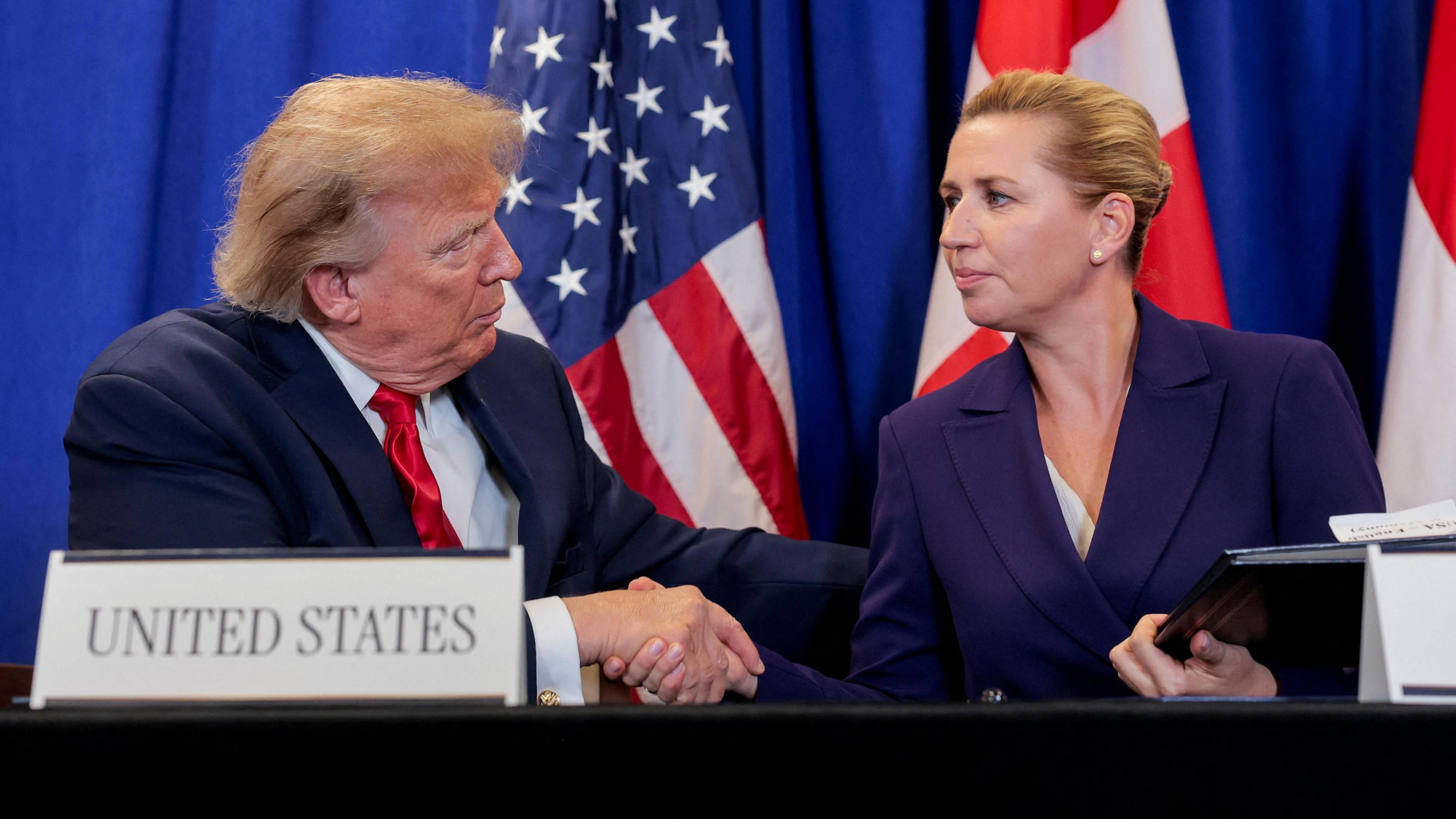
Yesterday’s bid to signal cooperation between Beijing’s Xi Jinping and Washington’s former President Donald Trump concluded in a careful handshake and a handful of symbolic gifts, without offering a dramatic shift in the longstanding trade war. New York Times footage shows the two men exchanging words of mutual respect while Xi presented a pair of giant pandas that had previously lain dormant at the National Zoo.
The priority for both leaders was to project an image of diplomatic smoothness – a necessary performance amid domestic pressures: Xi’s record flushing through the harvest down‑list and Trump’s relentless calls for “America First” earnings from the trade fray. Yet beneath the warm exchange, the U.S. and China returned to the drawing board and agreed to a two‑month rollback of trade reprisal tariffs that had been set to revert to higher rates at the end of the summer. While there was no promise to halt joint sanctions on Russia or resolve cyber‑espionage accusations, the short‑term truce may buy time for both sides to recalibrate their strategies.
Experts say the meeting was less about substantive change and more about savouring face‑saving rituals in a tense geopolitical landscape. “In such an environment, a panda or a handshake does not remodel power dynamics,” says Dr. Isabel Zhao of the Council on Foreign Relations, “but it does create a narrative for consumption by domestic constituencies.” Meanwhile, trade analysts note that the tariff pause could temporarily relieve small‑to‑medium U.S. exporters but will not alter the recently enacted Chapter 209 tariffs that target telecom equipment. The stakes – from retaliatory technology bans to semi‑annual border talks – remain obstinately high and will likely dominate the next few months.
At the same time, Beijing remains cautious about making sweeping concessions. Xi’s statement that the United States should adopt a “reasonable, balanced and new” attitude toward China follows four decades of contested markets and ideological divergence. President Trump reiterated his claim that China has benefited from “straw trade deals” while alluding to the need for a “fairer” angle on the market access. Beneath the cordial covers, each side pressed for a form of diplomatic playground colocated with domestic propaganda cycles. For the U.S., it could mean revisiting the new trade pact that the Biden administration will likely present later this year. For China, it could mean seeking internal synergy in digital technology amid reluctance from global partners.
What’s next? Investors and policymakers will keep a tight eye on the forthcoming U.S. fiscal policy proposals that might create further market leeway for Chinese firms abroad. If the Senate confirms the War Powers Act, security deliberations could actively shape the boardroom dialogues in the months ahead. Both Biden allies and Trumpans will remember this peace‑panda moment as a temporary lull, yet the enduring tug‑of‑war continues to dictate the future of the U.S. economy, territory, and diplomatic posture towards China.