Trump’s ‘Annihilation’ Threat Marks First US‑Iran Talks Since June
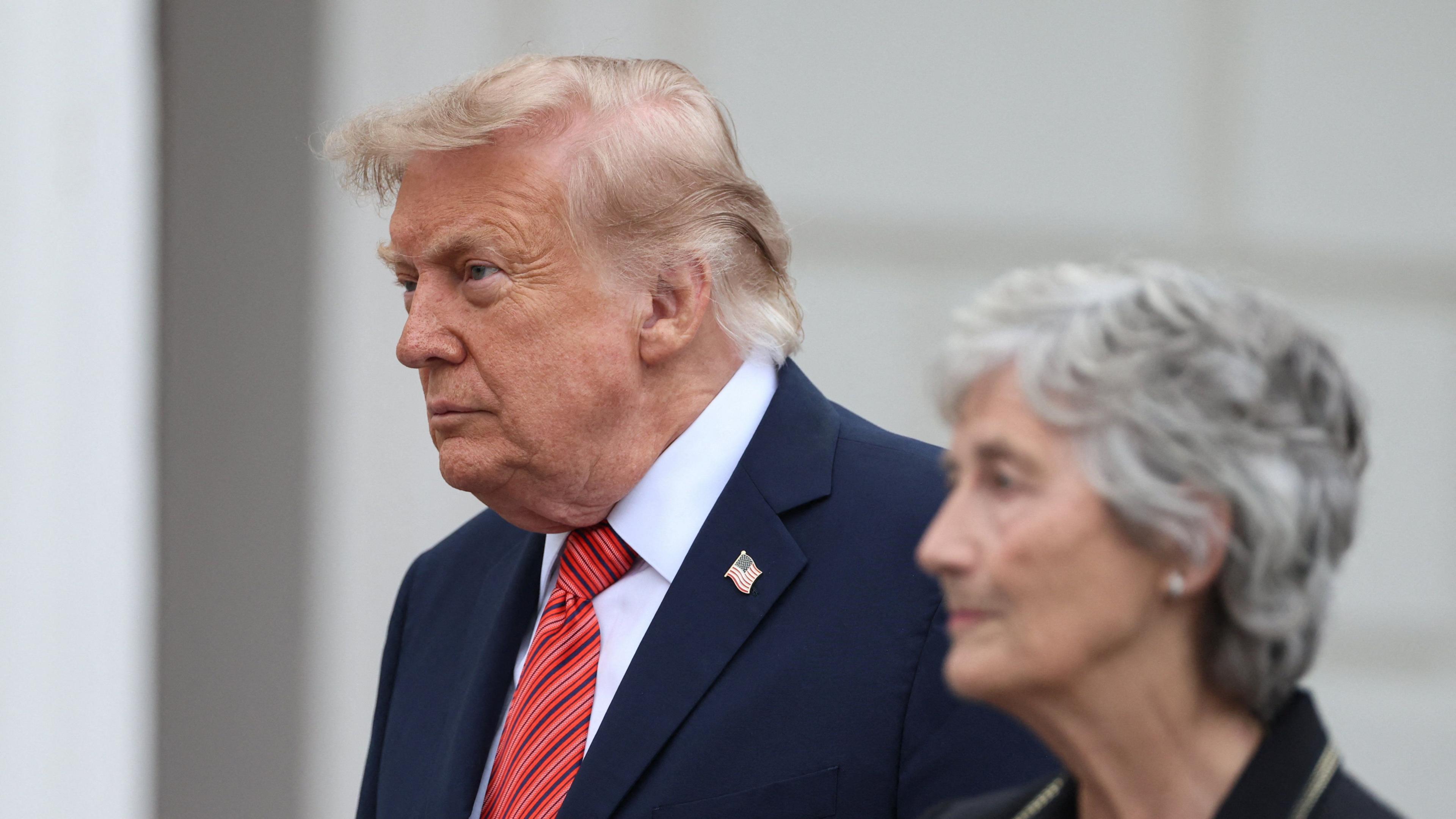
The United Nations stage was set for an unlikely dialogue when Iran’s foreign minister Abbas Araghchi met with U.S. envoy Steve Witkoff on a day that also saw President Donald Trump proclaim he would "annihilate" the Islamic Republic if a deal was not struck. The meeting, brokered by Qatar, was the first formal contact between the two powers since the June ceasefire collapsed.
Witkoff later described the discussion as "constructive and promising," though no substantive agreement emerged. Iran reiterated its demand for Washington to stop all acts of aggression, while the U.S. maintained a hard‑line stance that it could wipe out Tehran’s influence if negotiations failed.
The backdrop to this meeting is a spiral of hostilities: U.S. and Israeli air strikes last month, Iranian retaliation against U.S. bases, blockages of the Strait of Hormuz, and a global spike in oil prices that has rattled markets. The conflict has placed President Trump under intense scrutiny, especially with U.S. congressional elections approaching.
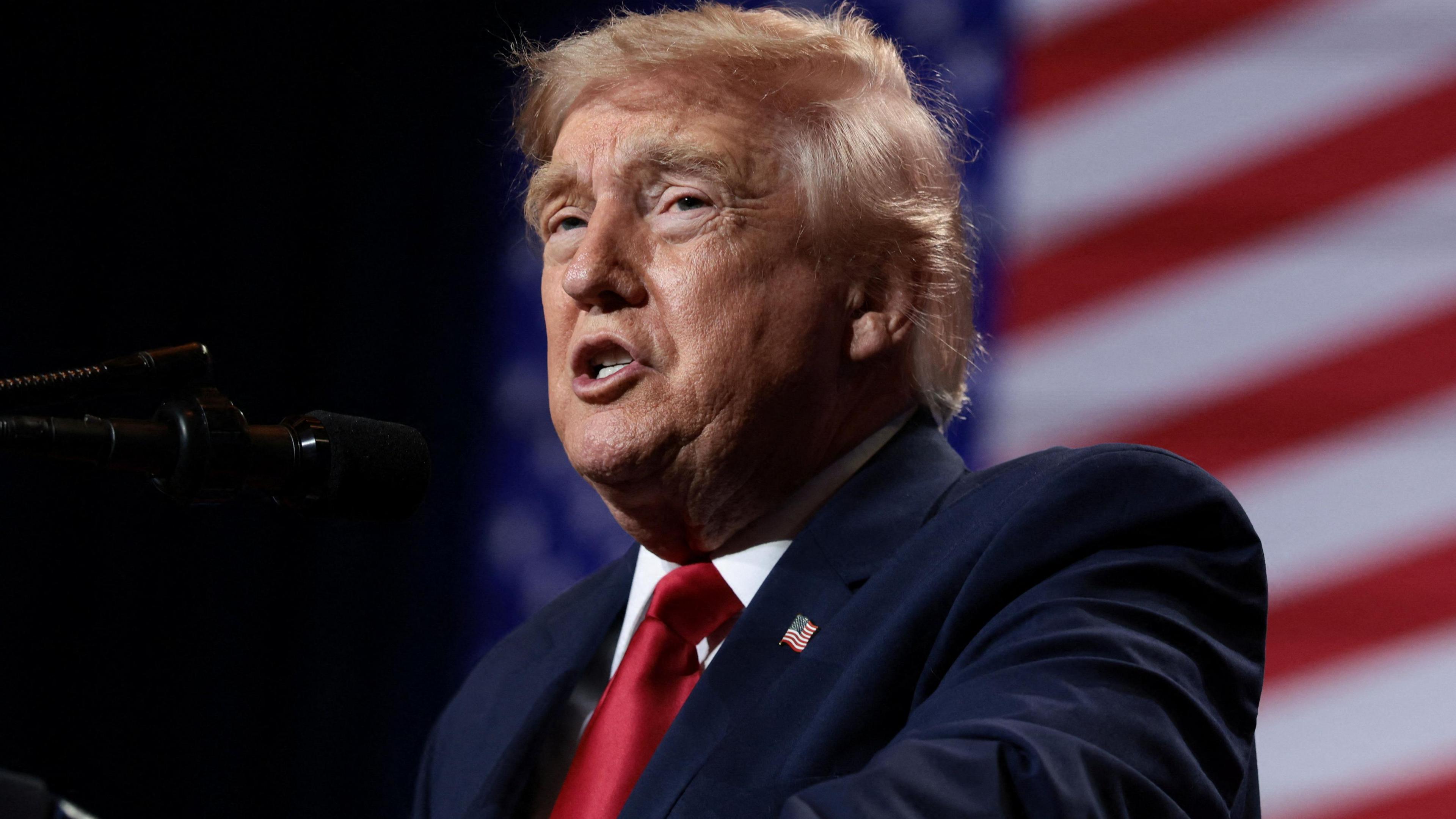
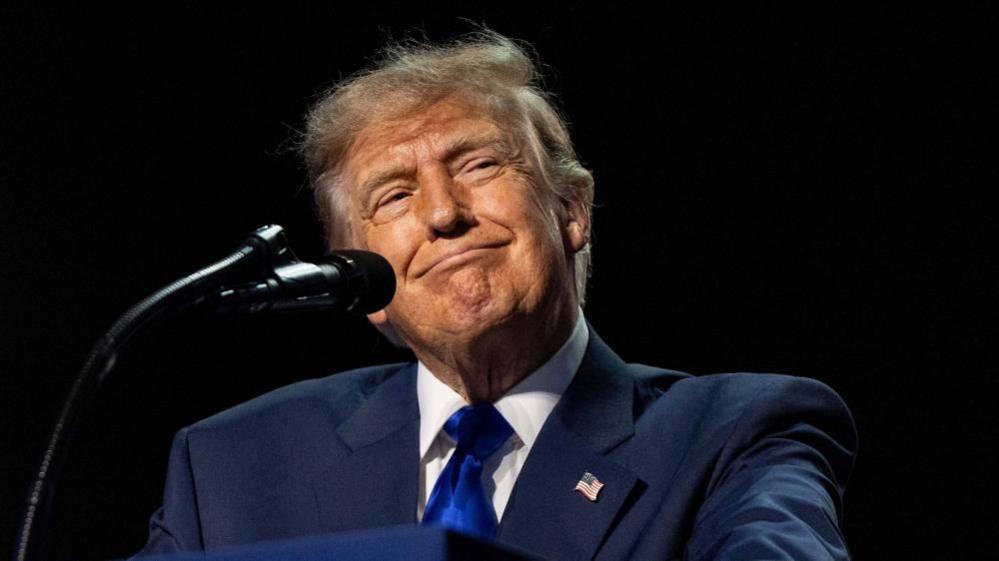
During his address at the UN General Assembly, Trump highlighted the U.S. economic record and promised to keep Iranian ambitions in check, insisting that the pact to curb Iran’s nuclear program had failed. He also stated that a resolution could come after the November elections, underscoring the tension between domestic electoral politics and foreign diplomacy.
While the meeting signified a diplomatic interlude, the risk of further escalation remains high. The U.S. maintains a blockade against Iranian ports, and Trump threatens sanctions on any nation trading with Iran, actions that could deepen the regional conflict.

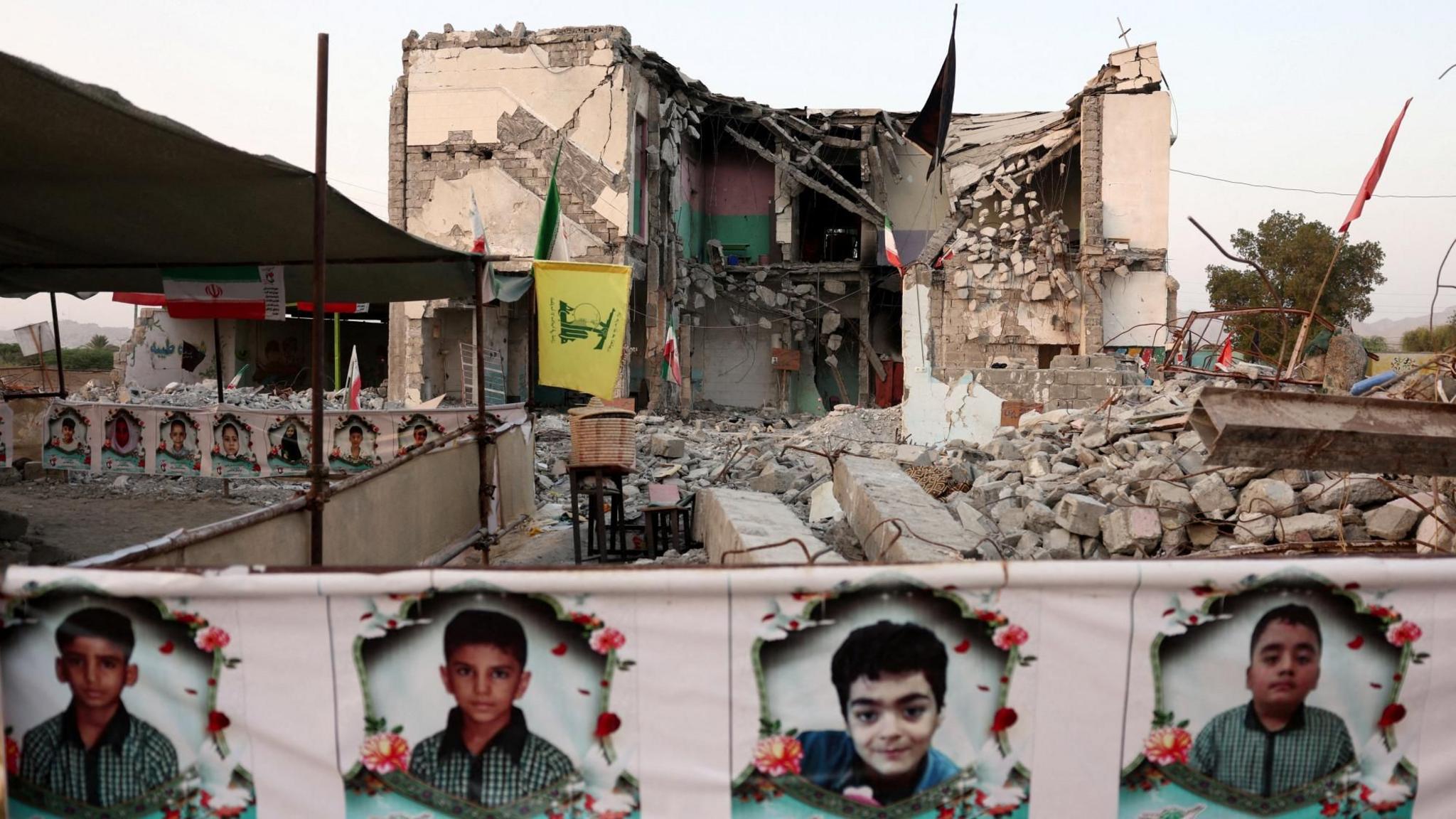
The war’s human cost is stark: images of schoolchildren caught in air raids highlight the urgency of ending the conflict, while the economic damage from blockades threatens to push more nations into the fray.