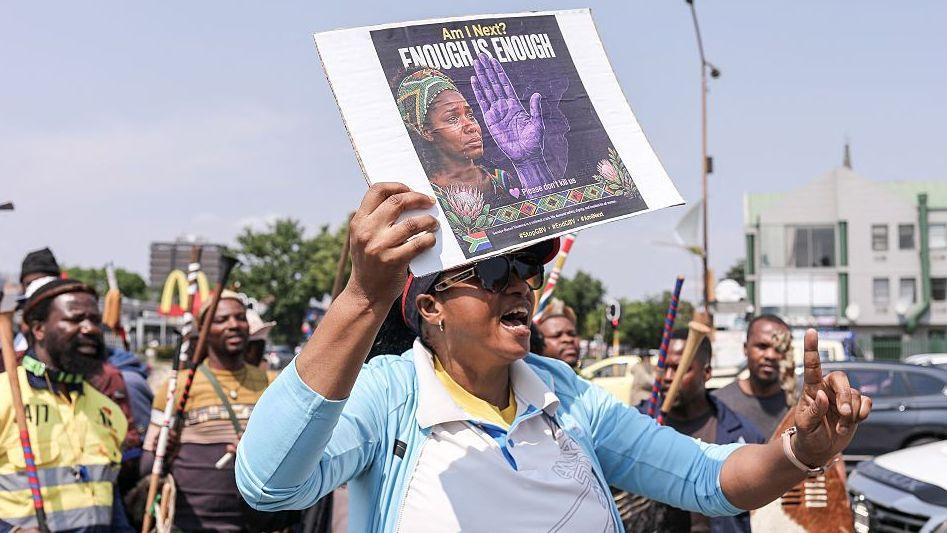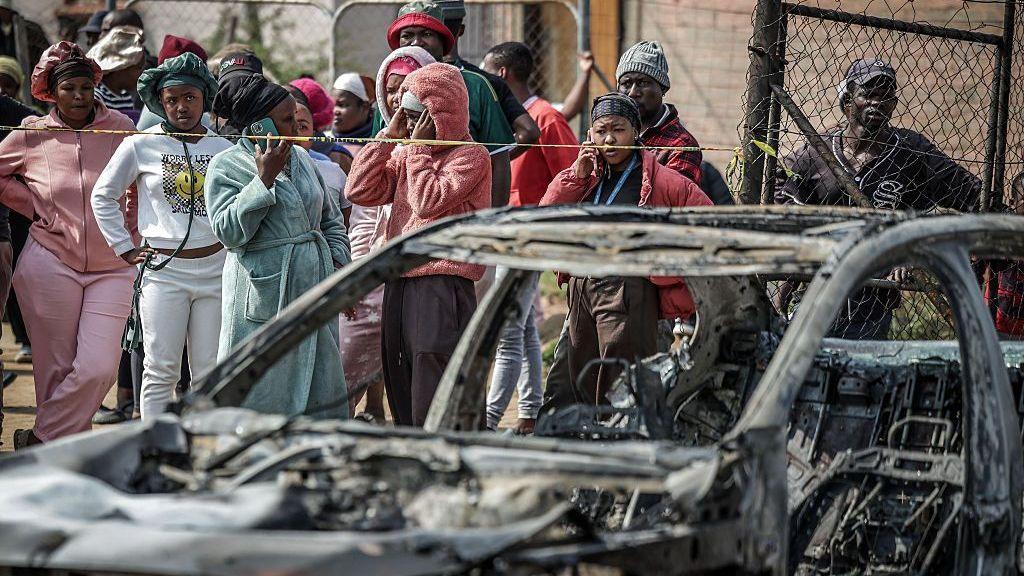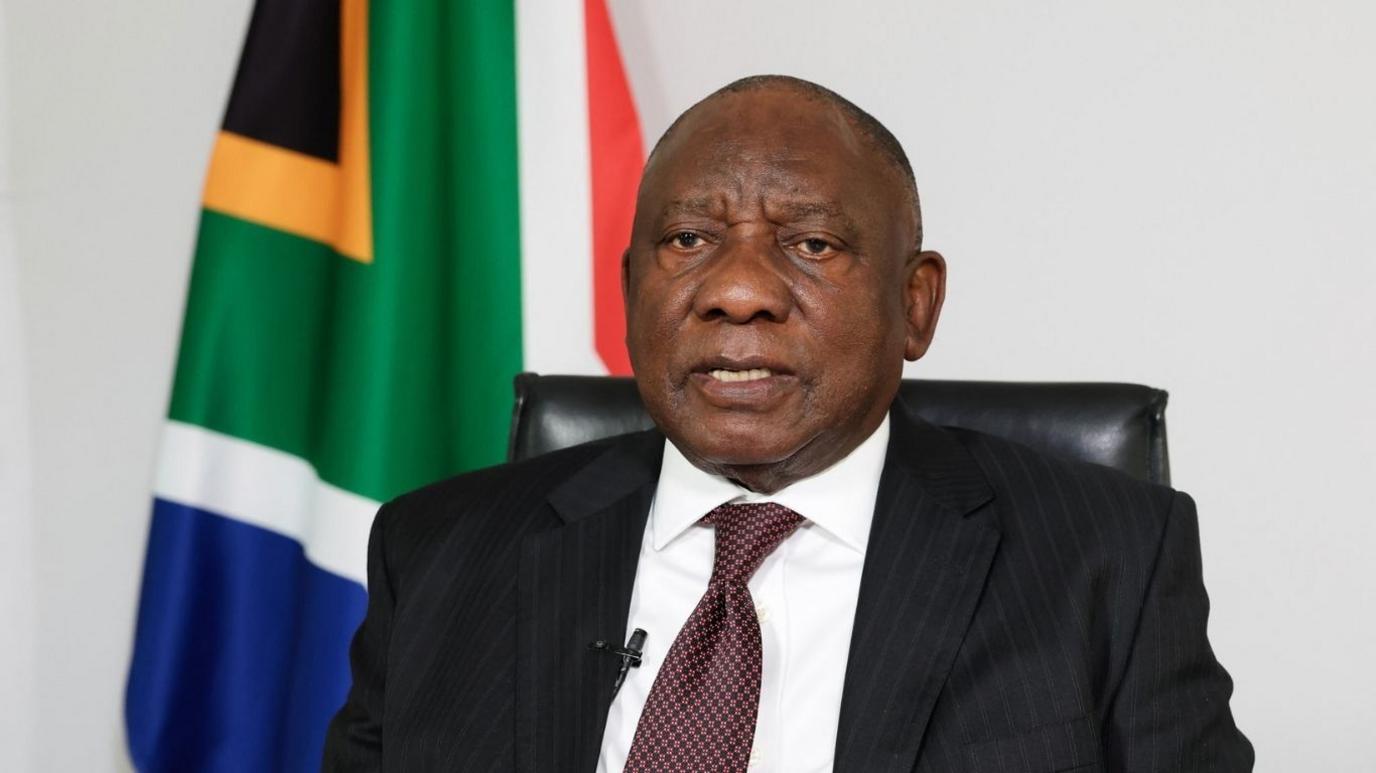
South African President Cyril Ramaphosa has announced a nationwide audit of streets that pose risks to women in response to the discovery of 12 bodies in just two months east of Johannesburg.
The deaths have ignited a national outcry over the country’s high rates of gender‑based violence, prompting Ramaphosa to admit that “South Africa has not done enough” to safeguard women and girls. He said the violence “cannot be accepted as a normal part of life” and that the government must act urgently.
Every municipality is now required to conduct a women’s safety audit without delay, identifying high‑risk areas and addressing broken streetlights, overgrown public spaces, abandoned buildings, unsafe transport routes and poorly secured parks. These audits will help pinpoint conditions that place women at increased danger.
Ramaphosa has also instructed ministers to develop an enforcement package aimed at reducing alcohol‑related violence. He stressed that alcohol does not cause gender‑based violence and that perpetrators must be held responsible, yet harmful alcohol use is a significant aggravating factor in interpersonal conflict.
The president warned that a deeper cultural shift is required: "It begins much earlier, in attitudes that regard women as inferior, in the belief that a man has the right to control a woman, in the mistaken equating of jealousy with love, control with protection and coercion with affection. It begins when a man refuses to accept no." He called on men and boys to take the leading role in ending gender‑based violence, noting that “we have placed the burden of male violence on women, and that must change.”
South Africa’s homicide rate remains one of the highest in the world, with 5,427 people murdered between April and June 2026 and recent reports indicating 569 women killed and 1,052 survivors of attempted murder in the same period. Ramaphosa’s measures aim to address both the symptoms and root causes of women’s violence across the nation.