Trump Administration Targets International Criminal Court with Sweeping Sanctions
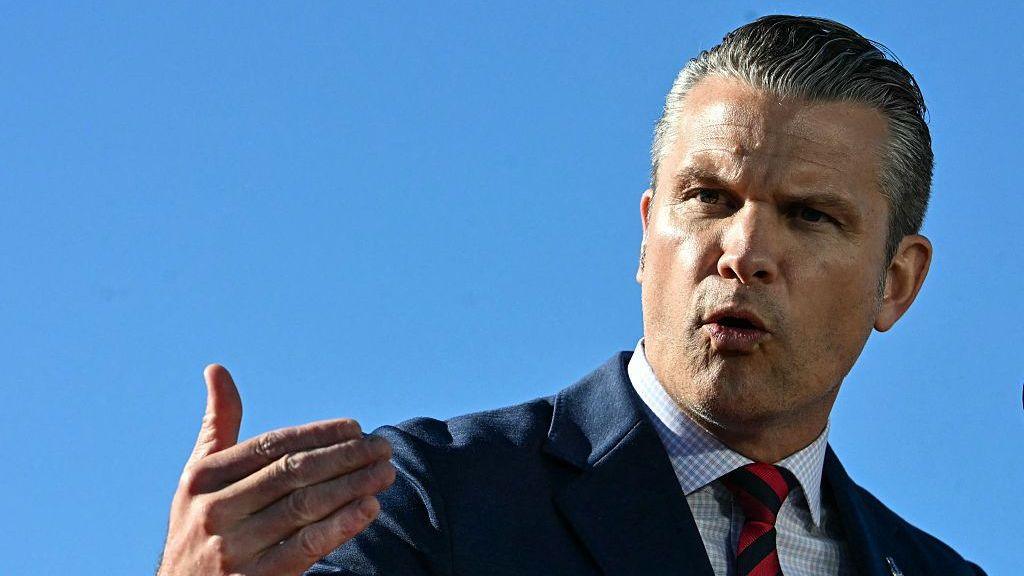
In a move that has stunned the international community, the United States announced sanctions against the International Criminal Court (ICC), a step the Trump administration says is meant to defend U.S. sovereignty. Secretary of State Marco Rubio announced the restrictions, including a ban on U.S. entities conducting transactions with the court.

Rubio stated: "Either the ICC will end its threats, or we will end the ICC," and accused the court of seeking to prosecute Americans, a claim that the ICC struck as an assault on the rule of law.
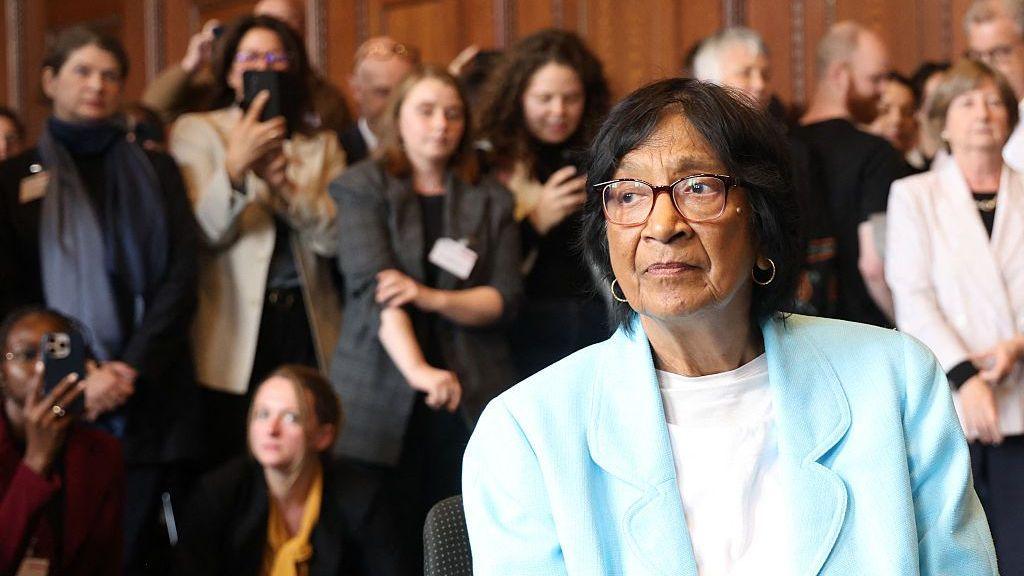
The sanctions come a day after former ICC judge Navi Pillay was awarded the 2026 Nobel Peace Prize for her work in advancing international law—an acknowledgement that the court swiftly denounced after the U.S. expressed strong disapproval. Mr. Trump has previously criticized the prize and called for his own receipt of the award.
The United States argues it is not a party to the Rome Statute that created the ICC, and therefore the court lacks jurisdiction over American citizens. Nonetheless, the ICC has investigated U.S. actions abroad, including a probe into the conduct of U.S. forces in Afghanistan, which the administration has since deprioritized.
He also urged allies who are ICC signatories to tighten their own stance on the institution. The U.S. sanctions restrict the supply of goods and services—such as banking and software—to the ICC, effectively cutting the court’s operational resources.
In response, the ICC said the sanctions were aimed at disrupting its work and intimidating collaborators, but insisted it would not be deterred.
Industry experts warn that the sanctions could undermine global accountability mechanisms and push the ICC into a more politicized position. International law scholars debate whether the move creates a precedent for national governments to sidestep international obligations based on domestic narratives of sovereignty.