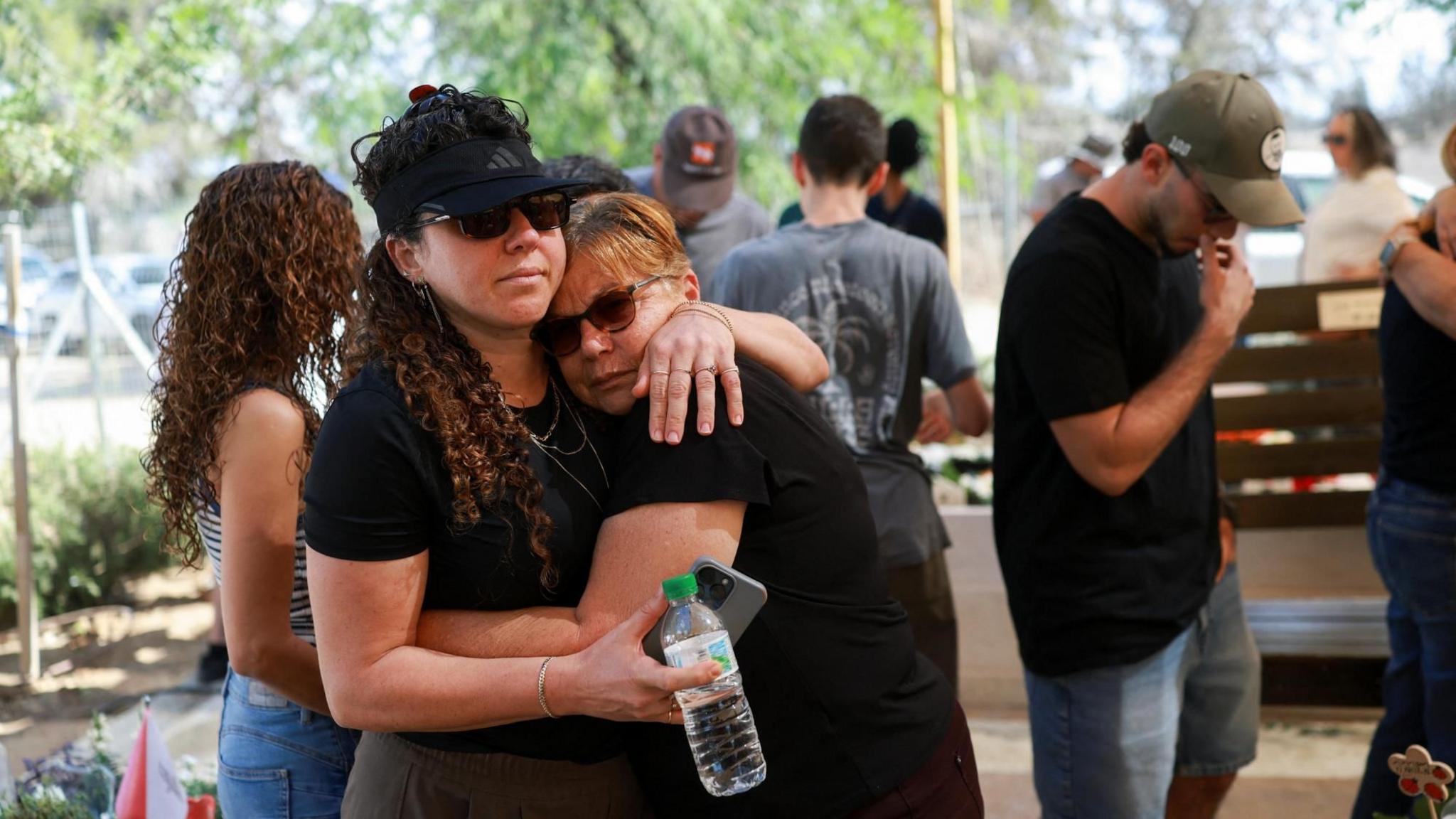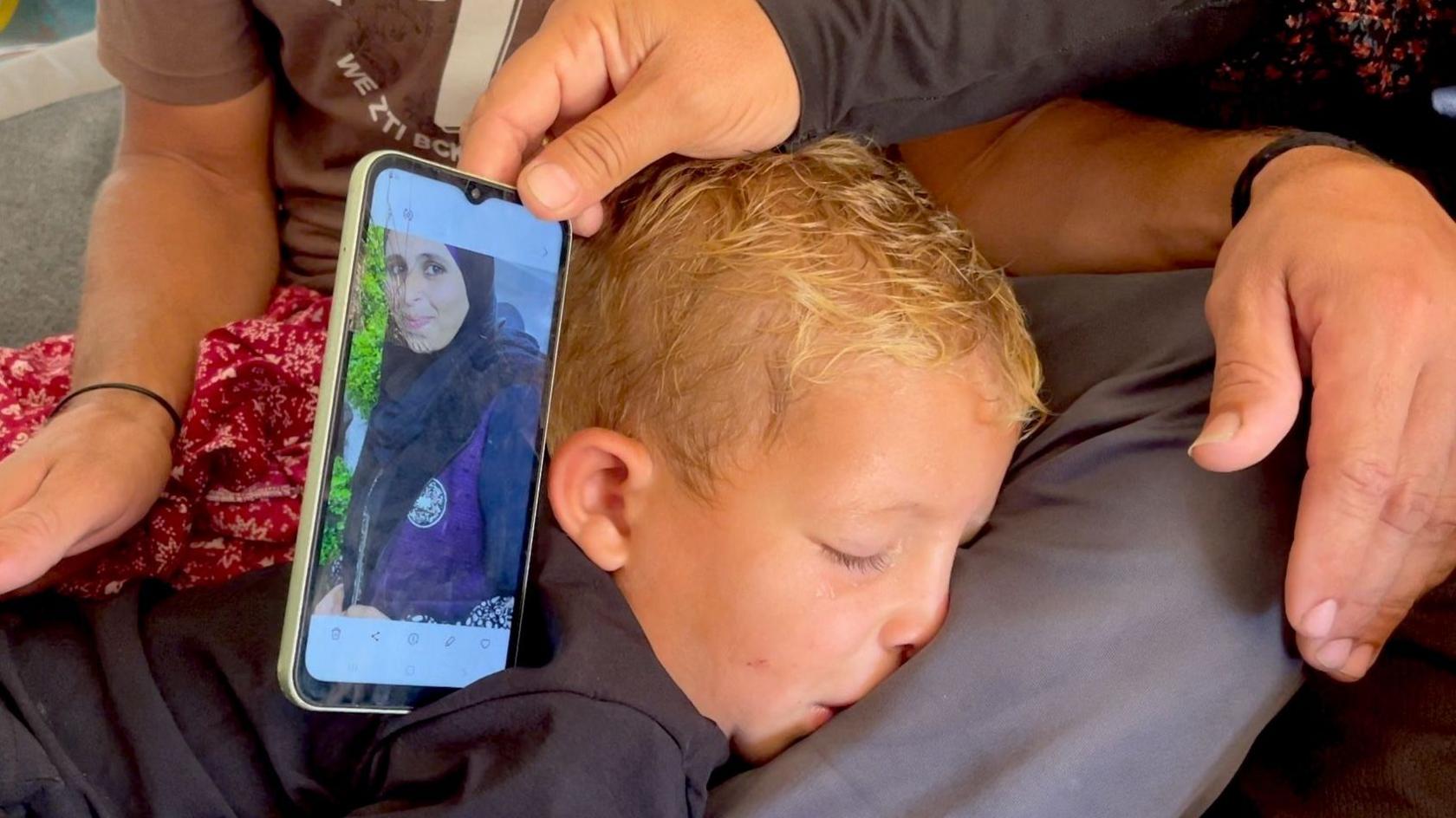
In a quiet tent in central Gaza early one morning, 31‑year‑old Fida al‑Toutah was combing her daughter’s hair when the sound of gunfire burst through the walls. Her son Ezz recalls, sobbing, "Our mother was so kind and generous. What did she do wrong?" The family later confirmed that Fida was struck by a bullet to the head and died on 21 September.
Fida’s death is one of more than 1,400 civilian casualties since the 10‑October ceasefire, a figure the UN regards as reliable. Though the ceasefire halted large‑scale bombardment, Israeli forces have continued to launch strikes almost daily, with over 30 people killed in the past week alone.
The ceasefire was supposed to bring relief and a path to reconstruction, but humanitarian aid flows remain limited and the political impasse stalls rebuilding. Israel’s security strategy restricts the import of materials, while Hamas conditions the surrender of heavy weapons on a full Israeli withdrawal. Consequently, tent‑dwellers like Amal Alabadla, who lost three brothers in the conflict, struggle to keep their families fed, safe, and warm without a clear roadmap to return to normal life.
Families’ stories reveal that dangerous zones, such as the yellow line, are still flashpoints. Ibrahim Toutah, Fida’s brother, points to bullet holes in his tent and describes how the pair of Israeli warplanes bombed near their home. Meanwhile, the broader Gaza Strip now occupies less than 40 % of its territory, with many civilians forced into crowded, makeshift camps that are vulnerable to flooding and further attacks.
The international community remains divided. While the United Nations calls for a comprehensive end to hostilities, Israel insists that its actions target Hamas operatives. The stakes grow higher as both sides weigh the cost of continuing conflict against the peril of fragile, unverified agreements.