In brief
In a striking BBC investigation, two Russian men—one operating from within Russia and another from exile in Poland—claim to have helped Ukraine launch drone attacks against strategic targets and gather intelligence on high‑ranking officers. The men, named Ivan and Foma, say they conduct surveillance, plan saboteur placements, and provide detailed dossiers to Kyiv’s General Intelligence Service (GUR). While their allegations fit a broader Ukrainian strategy of coordinated drone strikes, authorities and the GUR acknowledge the men’s roles yet warn that the full scope cannot be confirmed. The story sheds light on the unseen arms race beneath the front lines and raises questions about risk, loyalty, and the legal gray zone where state‑backed sabotage operates.
Russians acting as covert operatives for Ukraine’s intelligence services have surfaced with unprecedented detail, claiming they orchestrated drone attacks on military airfields and munitions factories inside their own country.
The first informant, known as Ivan, says he has supplied Kyiv with imagery and logistical support for drones that destroyed strategic bomber facilities, and that he has identified and reported on senior Russian officers who might be targeted for elimination.
The second, operating from Poland under the alias Foma, leads a clandestine network of “undercover volunteers” who map out high‑rank personnel and plan surveillance missions that feed back to the General Intelligence Service (GUR) in Kyiv. He claims the network has about 300‑500 operatives and that their work never extends to the act of execution, but it does provide actionable intelligence to Ukrainian forces.
Risk and Verification
Both men admit their operations are risky: Ivan recounts a close call when he was stopped by officials while carrying homemade explosives, and Foma stresses that any visible network could be swiftly dismantled by Russian security services. The GUR confirms their employment of Ivan and Foma but notes it can’t fully verify the extent of their sabotage activities, citing the need for operational secrecy.
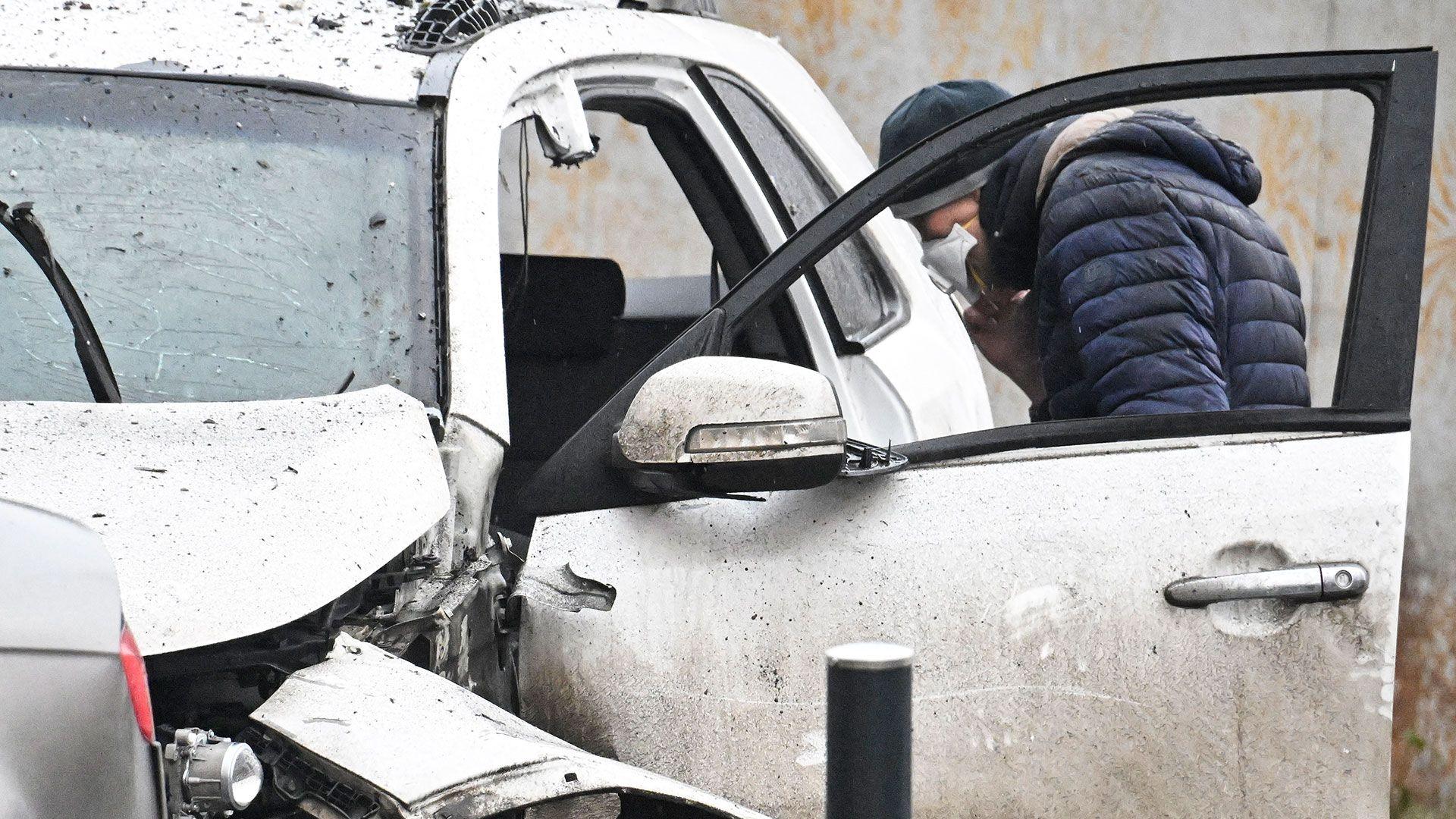
The broader Ukrainian strategy of coordinated drone attacks is publicly acknowledged, and Kyiv has recognised that it employs secret agents for such strikes, though it never claims responsibility for targeted assassinations outside its official narrative. Recent incidents, such as the killing of Lt. Gen. Igor Kirillov, underscore this hazy front line.
Inside the Footage and Interviews
Ivan provided a video of explosives concealed near a Russian military airfield, while Foma showed his laptop screen during a tutorial on tracking a senior officer. Ivan describes his role as ideologically driven, insisting that a removal of the “Putin regime” would hasten the end of war for Russia’s civilian populace.
During interviews conducted in a Georgian desert, Ivan explained that Ukrainian agents undergo lie‑detector tests before meeting him in a neutral third state. He admits that, while he feels fear constantly, his ultimate hope is that the regime’s collapse will bring a new era for Russia.
The revelations place a spotlight on a largely shadowed dimension of modern warfare, where information, sabotage, and espionage blur the line between combat and covert operations. As the conflict continues, the role of such internal saboteur networks may become a decisive factor in the broader cyber‑military contest between Russia and Ukraine.