In a dramatic turn of events, a BBC undercover operation has forced the Indonesian Ministry of Immigration and Corrections to send teacher Mochamad Subchi Azal Tsani, known as Bechi, back to prison after a secret early parole that had allowed him to return to the streets while a victim still awaited justice.
Bechi was jailed in 2022 following a dramatic siege at the Shiddiqiyyah Islamic boarding school in Jombang, East Java, where supporters gathered to block his arrest. Convicted of sexually assaulting a female student, he received a seven‑year sentence, though prosecutors sought a longer term. The teacher was released on parole in August 2025 after serving less than half his term, a move the BBC uncovered while tracking his movements at a public event.
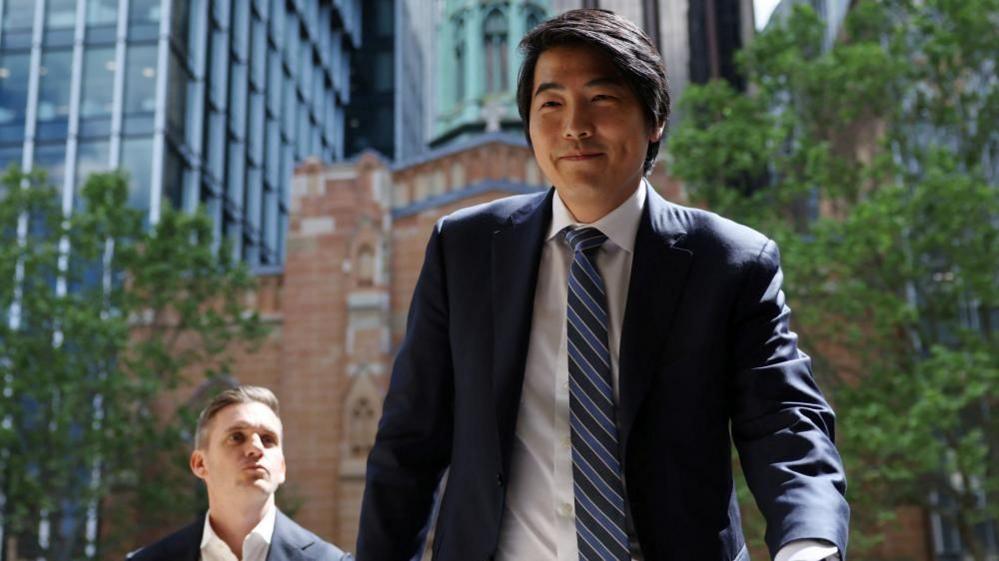
During the event, undercover reporters recorded Bechi smiling and greeting supporters, a stark contrast to the punishment he should have been serving. The victim, who chose to remain anonymous, was not notified of her abuser’s release – an omission that left her in the dark and underscored procedural failures.
After her discovery, the former student was seen crying in relief, saying she had prayed that such a case would never happen again and that the law would now be applied justly. Her statement resonated with thousands calling for stronger protections for students in religious schools.
The government reacted swiftly. It announced a comprehensive review that identified errors in the parole decision, leading to its revocation. Immigration and Corrections Minister Agus Andrianto warned that officials responsible for approving the release would face sanctions and pledged to prevent similar mistakes.
Victims have taken the story to the parliamentary hearing, where they recount years of abuse by Bechi. One former student, who announced her name, described being kidnapped and repeatedly raped by the teacher after her complaints were dismissed. She highlighted how his family’s influence shielded him from early justice.
Lawyers at the hearing stressed that authorities often hesitate to investigate allegations involving well‑connected religious figures. They testified that intimidation and threats deter survivors from coming forward and that systemic reforms are urgently needed.
The case brings attention to a broader pattern of sexual violence in Indonesia’s religious educational institutions. It also raises questions about how influential clerical families may shelter offenders and how the legal system can enforce accountability.
With Bechi back behind bars, the Indonesian media continues to cover the unfolding legal and political fallout. Activists and lawmakers are demanding reforms to ensure that victims receive timely information and that parole decisions are properly vetted. The incident has become a catalyst for broader discussions around how to protect vulnerable students in the country’s schools.