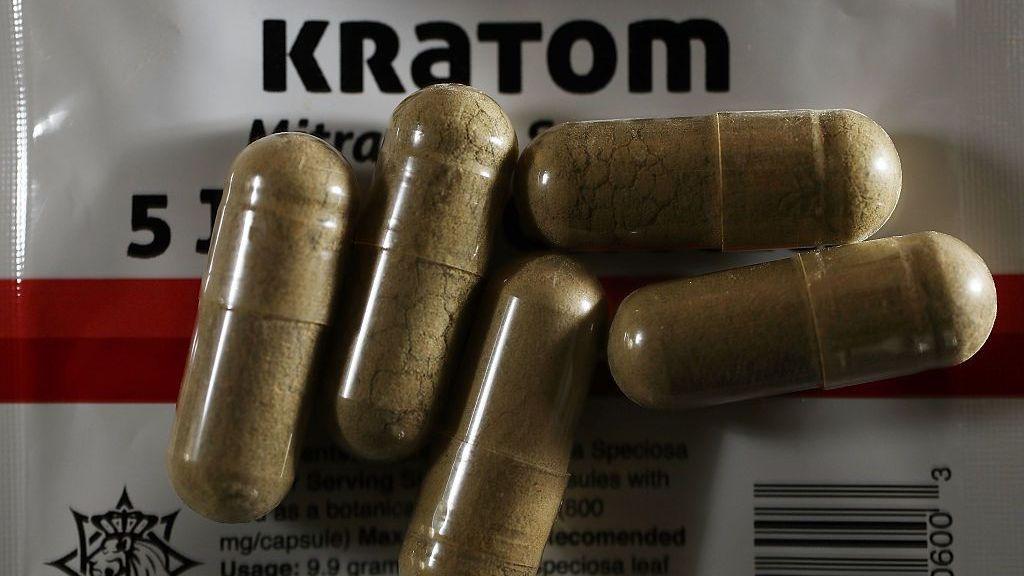
Kratom: The ’Gas Station Heroin’ US Officials Warn About
The herbal supplement kratom, harvested from a native Southeast Asian tree, has become a bestseller in U.S. convenience stores and vape shops, promising pain relief and a caffeine‑like buzz. Yet its opioid‑like effects and unregulated production raise serious health concerns.
Personal Story: Retired Washington timber cutter Jeffrey Deaver, 58, says he has taken kratom for four years to tame chronic hip and knee pain. “It was like a miracle,” he says. “I could sleep. I could function.” Deaver discovered the plant when conventional medicine failed, choosing a low dose and gradually increasing until the pain subsided.
In early October, investigators found packaged kratom in the possession of two University of Mississippi students who later died. Although the deaths were not attributed to kratom, officials are sounding alarms about the herb’s safety profile.
What Is Kratom? Native to Thailand, Malaysia and Indonesia, the plant has been used for centuries as a stimulant, ingested as tea or ground into powder. Its introduction to the U.S. market in 2016 as a supplement coincided with a boom in demand—selling in pill, powder, or liquid form at every corner store.
Dr. Shane Speights of the New York Institute of Technology College of Osteopathic Medicine says the lack of federal regulation means no standard for purity or dosage. “There’s no way to know exactly what you’re getting,” he warns. He notes that inexpensive “basement‑made” supplements can contain undisclosed additives.
Uses and Risks: Low doses act as mild stimulants, boosting energy and mood. Higher doses display opioid‑like relief for pain, anxiety and depression, and some users employ it to curtail addiction to prescription or street opioids. However, the active alkaloid 7‑hydroxymitragynine can trigger euphoria, hallucinations and, in large amounts, central nervous system (CNS) depression leading to respiratory failure and collapse.
Jana Wu, director of clinical integration at Mountainside Addiction Centre, cautions that prolonged use can lead to dependence and that patients may require escalating doses. “I’ve worked with people taking up to 20 pills a day,” Wu says. She points out the social costs, noting lost jobs and months of finances drained to sustain the habit.
Adverse effects can include nausea, constipation, dizziness, tremors and insomnia, alongside severe outcomes such as fainting or coma. The lack of federal oversight means contaminated or adulterated products pose additional dangers.
Legal Landscape: Eleven states—Alabama, Arkansas, Connecticut, Indiana, Kansas, Louisiana, Massachusetts, North Dakota, Tennessee, Vermont and Wisconsin—have banned kratom. Massachusetts enacted a temporary emergency order in August after a spike in misuse. The Drug Enforcement Administration once attempted to classify it as a Schedule‑1 drug in 2016, but the move was withdrawn amid public backlash.
States continue to act independently; Arizona, for instance, sued a company marketing kratom beverages. Anti‑kratom advocates press for stricter controls, accusing “gas‑station drugs” of poisoning communities. Supporters, including the American Kratom Association, push to regulate synthetic analogues that masquerade as natural kratom.
Internationally, the UK, Malaysia and other European countries impose varying restrictions. In Malaysia, the Poisons Act of 1952 bans both sale and consumption.
Public safety experts argue that the biggest threat lies in the product’s laboratory anonymity. “Is there a safe dose?” Speights counters. “We don’t know what’s inside.”
Until the United States implements comprehensive oversight, consumers remain exposed to a market where dosage, quality and authenticity are largely left to chance.