In brief
Researchers working in Lomami National Park identified a new colobus monkey, dubbed Colobus congoensis, after a decade of elusive sightings. The primate’s bold pinkish‑orange lips and silent roars make it a striking ecological marker. Local villagers call it Likweli, hinting at a long‑standing, unrecognized presence in the canopy. Genetic analysis and acoustic recordings confirm its distinct species status, adding a rare find to Africa’s primate inventory. The discovery underscores the need for protective measures against hunting and habitat loss.
Scientists working in the dense tropical forests of the Democratic Republic of Congo have officially identified a new species of colobus monkey, Colobus congoensis, after a decade of only sporadic sightings and blurry photographs.
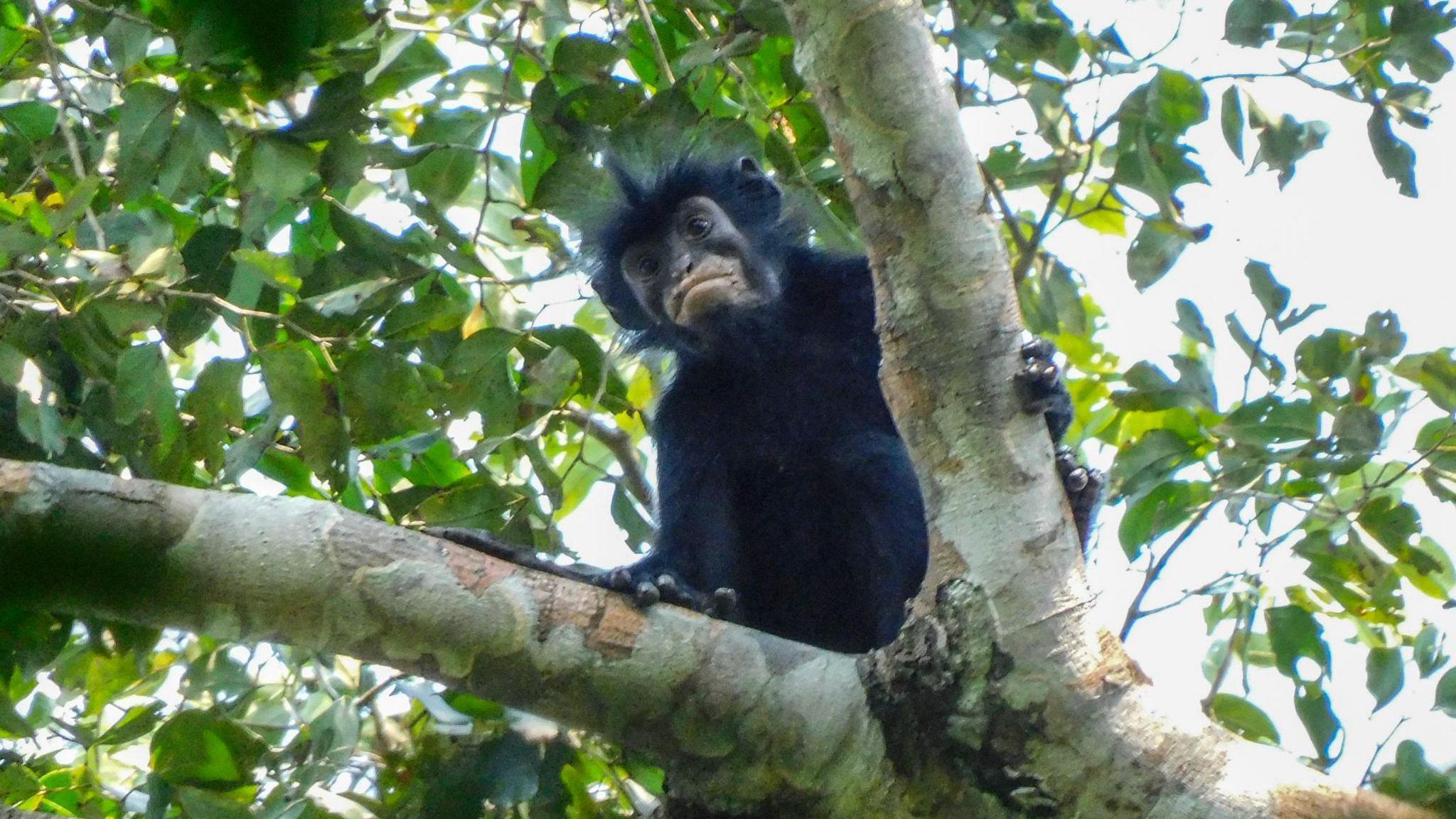
The primate, locally known as Likweli, was first photographed in 2008 by conservation staff inside Lomami National Park. A second clear image emerged ten years later, prompting an international research team to conduct an in‑depth survey. The team, comprising scientists from the DRC, the United States and Germany, used audio recordings, detailed photography and DNA sequencing to confirm that the monkeys were genetically distinct from all other known colobus species.
Likweli’s most striking feature is its bright pinkish‑orange lips, a rare visual cue among African primates. The colony’s vocal repertoire includes a resonant “roaring” call that, despite being heard frequently in the canopy, has rarely been captured on camera.
Local villagers have long mentioned the presence of the shy monkeys in the high tree canopy, but the species remained unknown to science until the recent confirmation. Only eight of the 52 villages surveyed could describe having seen the animals, emphasizing their elusive nature.
Professor Kate Detwiler of Florida Atlantic University highlighted that colobus monkeys are crucial herbivores that help process seed and aid forest regeneration. She speculated that the bright facial markings might serve as visual signals for mate selection or intra‑species identification.
The newfound species faces significant threats: hunting for meat and habitat loss from logging and mining. With the formal classification of Colobus congoensis as a distinct species, it is now eligible for protection under national conservation laws.
The research team plans further surveys to estimate population size, monitor behaviour, and refine conservation strategies. Their goal is to raise awareness and ensure that these unique primates receive the protection they need to thrive in their critical forest environment.