In brief
In 2025, the Trump administration revived U.S. health aid with multi‑billion dollar agreements aimed at strengthening African public health. The deals demand that recipient governments increase their own spending and share health data with the U.S., promising pharmaceutical benefits in return. Ghana, Zimbabwe, and Zambia have rejected the agreements. Critics argue the approach is a shift away from the WHO and risks turning aid into a political tool.
In 2025 the Trump administration lifted dams on foreign aid to pursue a new strategy for global health – one that plugs U.S. dollars into African countries’ health systems but also conditions them on local participation and data sharing.
President Donald Trump shut down the U.S. Agency for International Development last year, citing waste. Since then, Secretary of State Marco Rubio has signed a series of Memoranda of Understanding totaling $2.5 bn with Kenya. The deal obliges Washington to spend £1.6 bn while Kenya is expected to put away £850 m of its own money.
But the new contracts carry political strings. Americannationists say aid is no longer a charity but a strategic investment that benefits U.S. commercial interests. In return, the U.S. seeks access to African health data, including proprietary pathogen samples, and closes on a clause that promises priority for American pharmaceuticals.
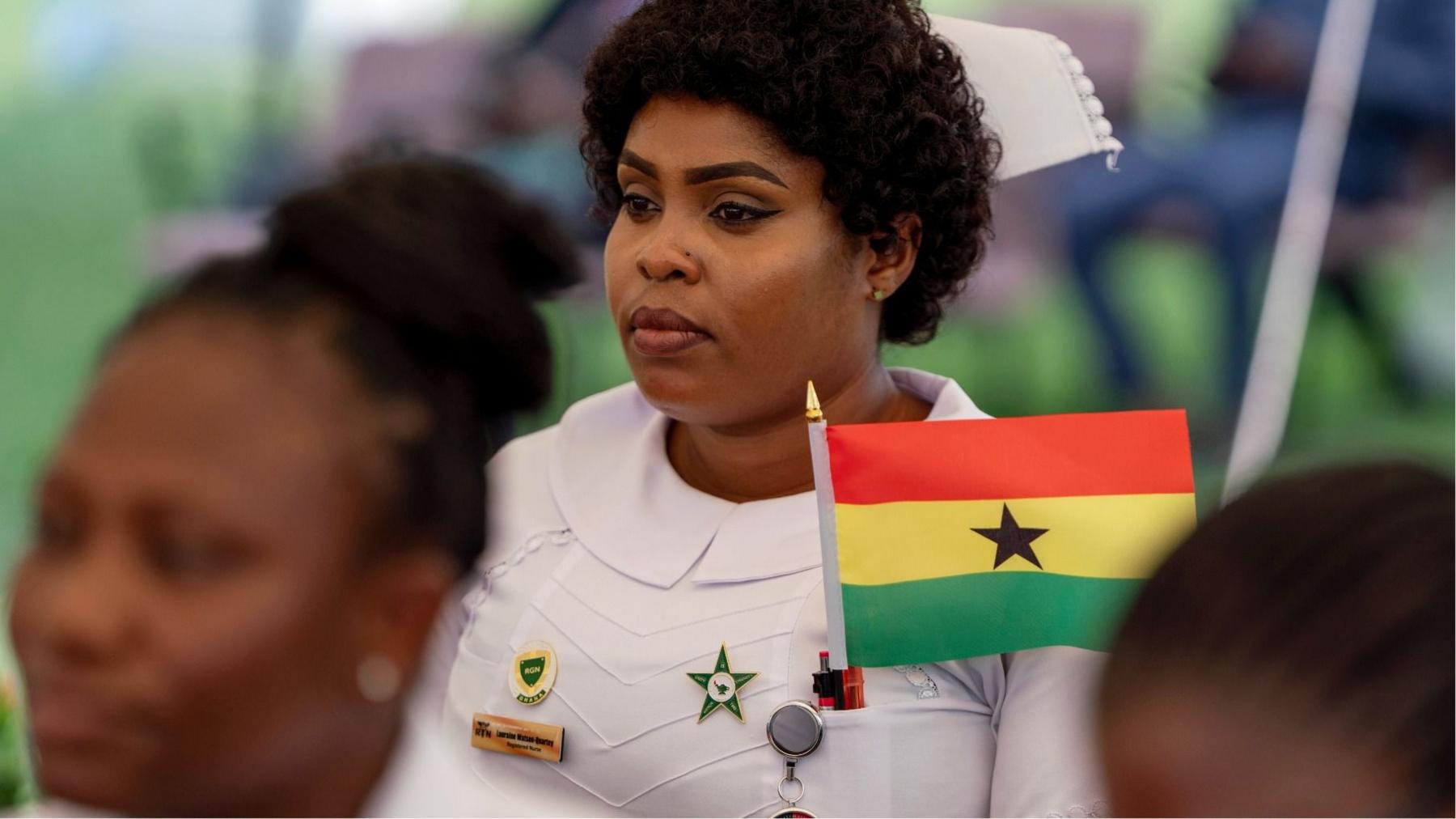
Ghana was the first to call the agreement off. In April the country rejected a proposed $109 m health programme because it feared that patient data would be transferred to Washington with no safeguards for Ghanaian sovereignty. Uganda’s data‑protection director said Ghana would lose control over its own information once it left the country’s borders.
Zimbabwe and Zambia have also resisted. Zambia’s foreign minister said the U.S. bundled the health deal with a critical‑minerals contract and wanted that business dealt with separately, which the government deemed unfair. In Zimbabwe, lawmakers warned that medical data could be handed to U.S. drug companies, without guarantees that new therapies would reach local patients.
When the combined approach reached Democratic Republic of Congo, U.S. officials claimed it was helping coordinate a response to an Ebola surge. However, critics note the earlier USAID freeze robbed Congo of much of the logistics and local outreach teams that had been critical in the 2014 outbreak.
Health experts say a bilateral plan cannot adequately address a trans‑national crisis. Dr Kevin DeCock of the CDC argues that health problems “cross borders” and that “no country can do it alone.”
Amid the new deals, the U.S. has pledged $270 m for the current DRC Ebola outbreak, yet the dispute over data and political leverage keeps many African leaders wary of signing on. The debate remains: will Washington’s “America‑first” global health model win acceptance, or will it be seen as an attempt to re‑orchestrate aid for American strategic gains?