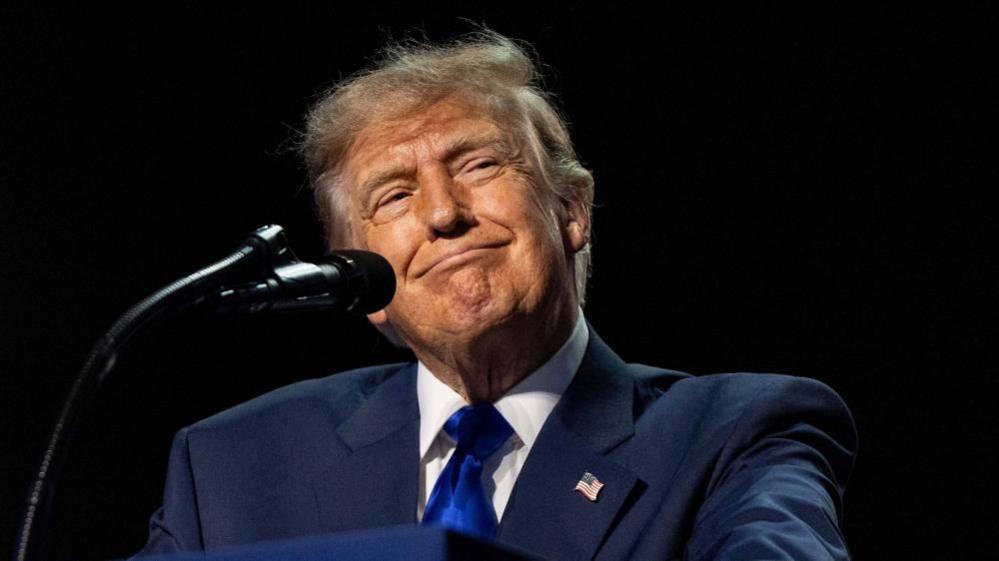
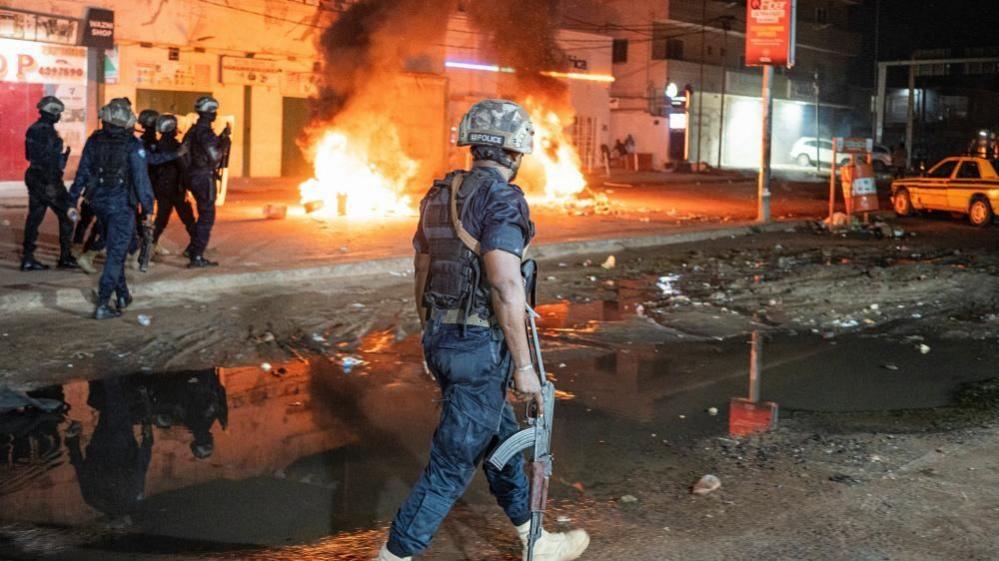
President Donald Trump has indicated that the U.S. military is evaluating 'very strong options' regarding Iran, as anti-government protests, reportedly resulting in nearly 500 deaths, continue into their third week. The Human Rights Activist News Agency (HRANA) has verified these fatalities, with fears that the actual toll may be higher.
Trump has mentioned that he is open to negotiations with Iranian officials, but warned that 'we may have to act before a meeting can occur.' This comes as Iranian leaders dismiss the demonstrators, labeling them 'a bunch of vandals' and encouraging pro-government demonstrations.
In response to the unrest, the Iranian government declared three days of mourning for what it referred to as 'martyrs' in a national struggle against perceived threats from the U.S. and Israel. Protests, which initially erupted due to the plummeting value of the Iranian currency, have become a significant challenge to the legitimacy of Iran's Supreme Leader, Ayatollah Ali Khamenei.
While Trump has been briefed on potential military strikes, other military actions could include enhancing support for anti-government factions, cyber attacks against Iranian military systems, or imposing additional sanctions.
As the protests wane, fears of a government crackdown grow, with over 10,600 arrests reported. Sources indicate that protests continued at reduced levels as a chilling crackdown is anticipated. The Iranian government has imposed severe internet restrictions, making information flow challenging. Witnesses report drones surveilling protest areas, and activists have turned to risky means to communicate.
Trump remarked on the importance of restoring Internet services, citing discussions with Elon Musk regarding potential aid from Starlink. The protests are marked as the largest since unrest in 2022 triggered by the death of a woman in the custody of morality police, highlighting ongoing tensions in Iran. With prominent figures like Reza Pahlavi asserting that the protests threaten the government's stability, the situation continues to evolve with unpredictable prospects for both Iranian citizens and U.S. foreign policy.
Trump has mentioned that he is open to negotiations with Iranian officials, but warned that 'we may have to act before a meeting can occur.' This comes as Iranian leaders dismiss the demonstrators, labeling them 'a bunch of vandals' and encouraging pro-government demonstrations.
In response to the unrest, the Iranian government declared three days of mourning for what it referred to as 'martyrs' in a national struggle against perceived threats from the U.S. and Israel. Protests, which initially erupted due to the plummeting value of the Iranian currency, have become a significant challenge to the legitimacy of Iran's Supreme Leader, Ayatollah Ali Khamenei.
While Trump has been briefed on potential military strikes, other military actions could include enhancing support for anti-government factions, cyber attacks against Iranian military systems, or imposing additional sanctions.
As the protests wane, fears of a government crackdown grow, with over 10,600 arrests reported. Sources indicate that protests continued at reduced levels as a chilling crackdown is anticipated. The Iranian government has imposed severe internet restrictions, making information flow challenging. Witnesses report drones surveilling protest areas, and activists have turned to risky means to communicate.
Trump remarked on the importance of restoring Internet services, citing discussions with Elon Musk regarding potential aid from Starlink. The protests are marked as the largest since unrest in 2022 triggered by the death of a woman in the custody of morality police, highlighting ongoing tensions in Iran. With prominent figures like Reza Pahlavi asserting that the protests threaten the government's stability, the situation continues to evolve with unpredictable prospects for both Iranian citizens and U.S. foreign policy.