The Trump administration has announced the termination of its significant immigration enforcement operation, known as Operation Metro Surge, after more than two months of intense protests, resulting in over 4,000 arrests and two fatal encounters involving federal officers.
Among the deceased were two U.S. citizens: Renee Good and Alex Pretti, whose deaths have ignited public outrage and scrutiny of federal enforcement practices. This overview highlights key events that transpired during this unprecedented operation in Minnesota, primarily targeting the large Somali community.
Operation Overview
Commencing in December, Operation Metro Surge aimed to intensify immigration enforcement in the Minneapolis-St. Paul region, driven by escalating rhetoric from President Trump, who publicly criticized immigrants from Somalia. The operation has been described by the Department of Homeland Security as the largest immigration enforcement initiative ever conducted in the U.S.
State officials, including Governor Tim Walz, condemned Trump's comments, calling his language exemplifying contempt towards the Somali community as unprecedented for a U.S. president. The Minnesota Somali community, estimated at around 84,000 residents, heavily felt the operation's ramifications.
The Tragic Events
Events unfolded swiftly, with federal officers conducting traffic stops and raids in predominantly Somali neighborhoods. On January 7, Renee Good, a mother of three, was shot and killed by an ICE officer. The incident was recorded by witnesses, causing further backlash against federal enforcement.
Just weeks later, Alex Pretti, also a U.S. citizen, was killed by a Border Patrol officer after intervening in a confrontation while wearing a firearm. Video footage captured by bystanders cast doubt on the justification for lethal force, complicating the narrative of the federal agents.
Public Response and Protests
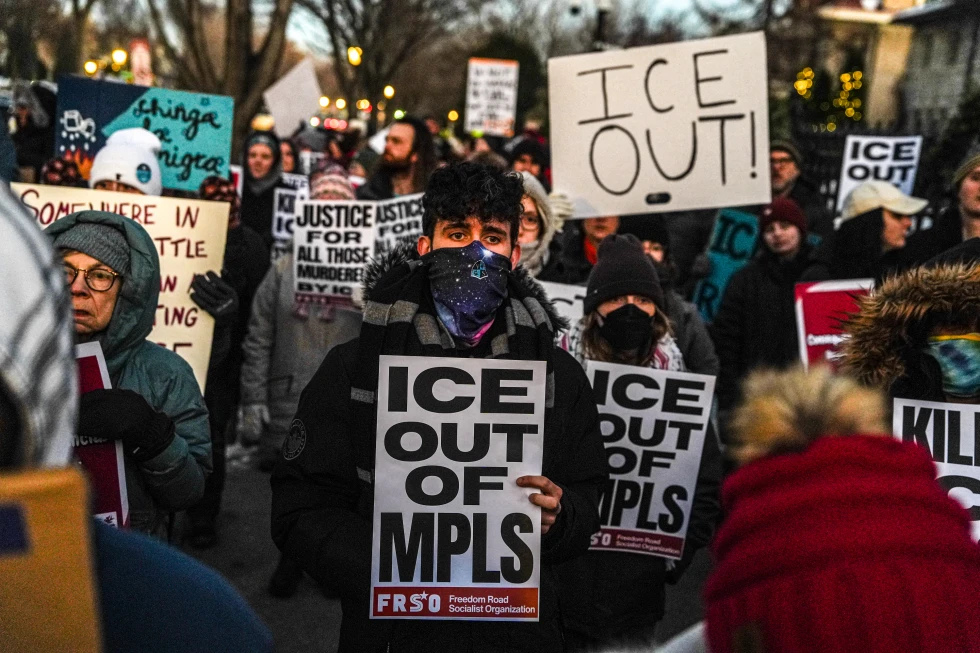
Following the fatal shootings, protests erupted throughout the Twin Cities as community members rallied against the operations' brutality. Activists formed networks to notify residents about ICE activity, seeking to protect immigrants from detention and deportation.
Operation Easing
By early February, amidst mounting pressure and negative press, the administration announced the conclusion of Operation Metro Surge. Critics heralded the end of the operation as a victory for civil rights, yet questions linger regarding the administration's broader immigration strategy.
Conclusion
The fallout from Operation Metro Surge underscores a significant turning point in U.S. immigration policy and its enforcement, igniting discussions on community safety, civil rights, and the ramifications of aggressive immigration practices. As Minnesota moves forward from these events, the implications are expected to resonate through national dialogues on immigration reform.