In a controversial move, the Trump administration announced on Thursday the revocation of a pivotal scientific finding known as the endangerment finding. This ruling has been central to U.S. regulatory actions aimed at controlling greenhouse gas emissions and combating climate change.
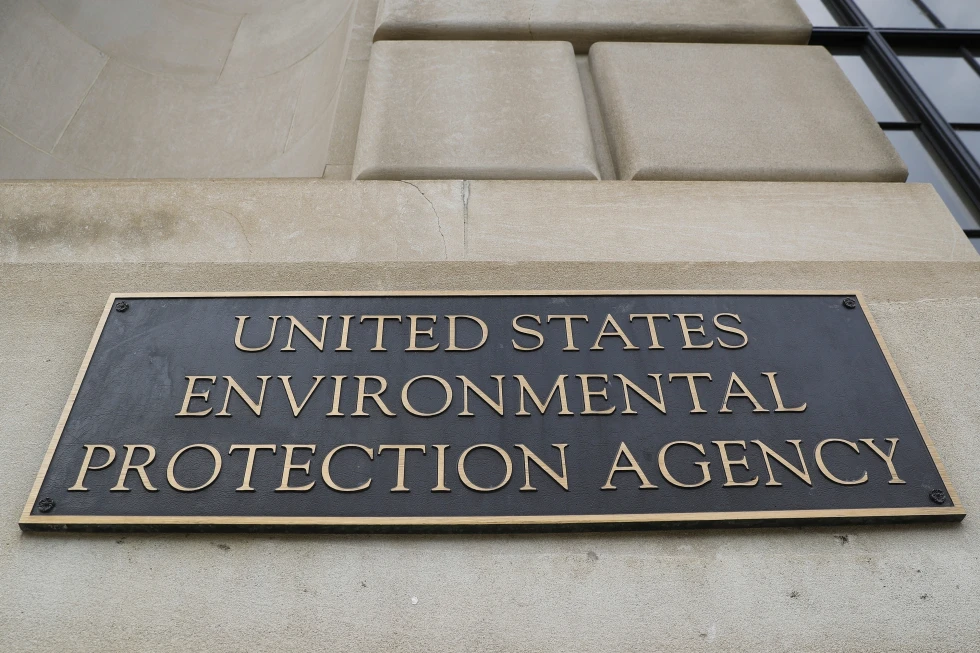
The endangerment finding, established by the Obama administration in 2009, concluded that carbon dioxide and other greenhouse gases pose risks to public health and welfare. Its repeal by the Environmental Protection Agency (EPA) signifies a major shift in federal climate policy, with potential ramifications for environmental regulations across industries.
Legal experts anticipate myriad challenges to the repeal, as it overturns critical emission standards that govern vehicle pollutants among other sources, possibly inviting extensive litigation. Ann Carlson, an environmental law professor at UCLA, remarked that the implications of overturning this finding could be more disruptive than prior deregulatory efforts made by the Trump administration.
EPA Administrator Lee Zeldin, appointed by President Trump, hailed the repeal as a historic deregulatory action, asserting it would bolster economic growth and energy independence. Concurrently, the administration announced plans to delay the implementation of a previous Biden-era rule limiting greenhouse gas emissions from cars and trucks.
Opponents of the repeal are expressing grave concerns, characterizing the action as an unprecedented attack on governmental authority to safeguard the environment. They argue that retracting the endangerment finding jeopardizes public health and grants unfettered license to polluters, potentially exacerbating climate-related disasters.
The Supreme Court previously upheld the endangerment finding in a landmark 2007 ruling, reinforcing its status as a crucial legal framework for climate regulation. Many environmental advocates, including former EPA head Gina McCarthy, denounce the repeal as reckless and misguided, emphasizing the growing urgency to respond to climate change's impacts.
As the nation grapples with the consequences of climate change, the Trump administration's latest decision is expected to reignite the national debate over environmental protections and the future of climate policy in the United States.