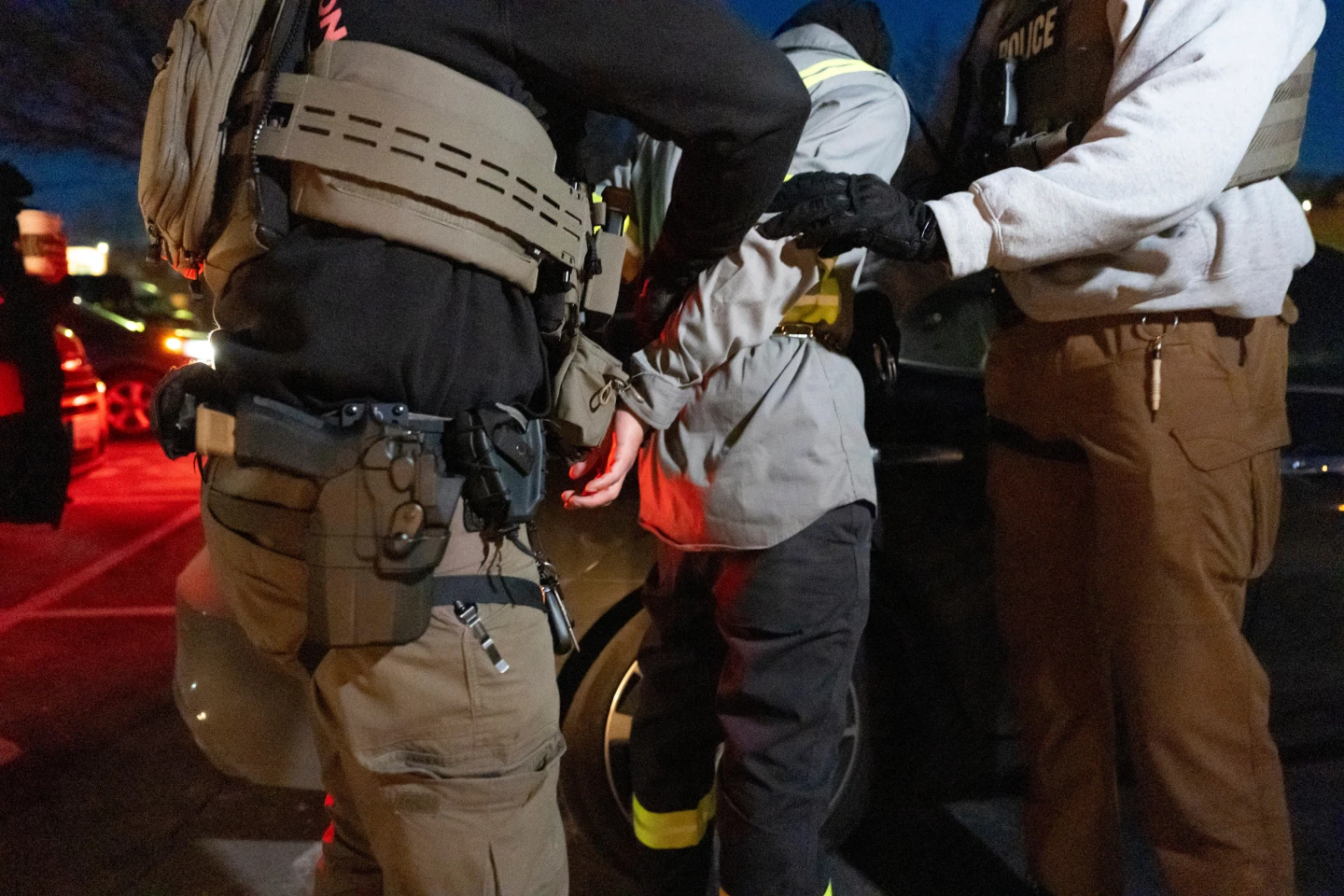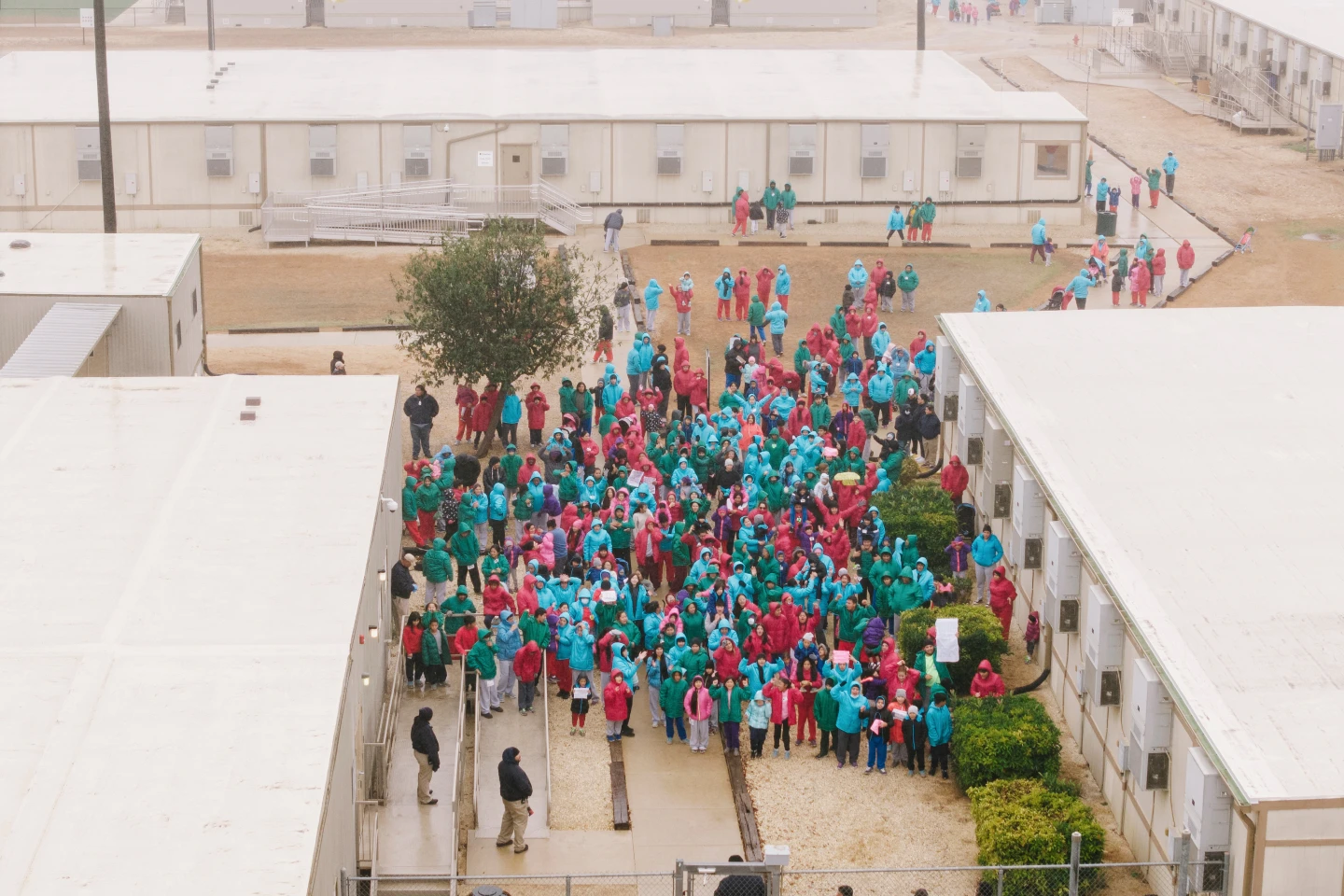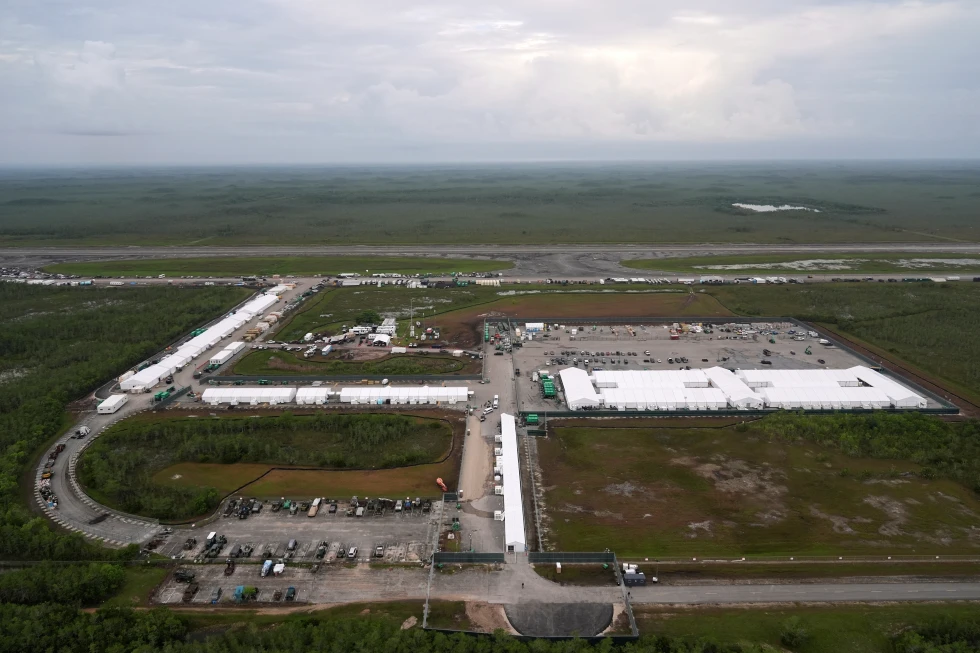
MIAMI (AP) — In the shadows of the U.S. immigration system, asylum-seekers like Felipe Hernandez Espinosa endure prolonged detentions amid conditions that have drawn criticism from human rights advocates. Hernandez, who spent 45 days at the notorious Alligator Alcatraz in Florida, now finds himself at a detention facility at Fort Bliss Army base in El Paso, Texas, where reports of insect infestations and backed-up sewage systems abound.
The 34-year-old Nicaraguan arrived in the U.S. seeking refuge from threats linked to political unrest in his homeland. However, after nearly five months in detention at Fort Bliss, he is still awaiting a hearing, with his case trailing in the overburdened immigration court system.
Under guidelines established during Donald Trump’s second term, immigration judges face restrictions that inadvertently extend the duration of detention for many asylum-seekers like Hernandez. He expressed despair in a recent phone interview, stating, I came to this country thinking they would help me, and I’ve been detained for six months without having committed a crime. It’s been too long. I am desperate. In his plea for relief, Hernandez stated he had even requested to return to Nicaragua, but systems in place prevent his immediate release or deportation.
With the number of individuals held in ICE detention centers exceeding 70,000, advocates are alarmed by the significant rise in those detained for longer than six months. The law stipulates an immigration detainee should not be held indefinitely; however, the reality paints a more troubling picture. Current figures reveal that numerous detainees await court proceedings that are often delayed for months on end.
Human rights attorney Ana Alicia Huerta reports she's seeing a troubling trend during her visits to detention facilities. Detainees express a desire to return to their home countries but are caught in legal limbo.
Many have signed forms requesting deportation but remain trapped, waiting endlessly without clear updates on their status. The pent-up frustrations contribute to a growing sense of hopelessness among detainees, compounding the already dire consequences of their plight.
The heartbreaking experiences of Hernandez and others reflect deeper issues within the U.S. immigration system that continue to call for urgent reform. As voices emerge from these detention centers, advocates underscore a pressing need for a reassessment of how the asylum process operates, stressing the humanity of those caught in its fold.