Local governments across the United States are preparing to deal with an unfriendly federal government, prompting mayors and state officials to strategize how to respond to potential federal overreach. Denver Mayor Mike Johnston, for example, has implemented crisis management drills focusing on scenarios that involve the federal government, a significant shift from traditional natural disaster training.
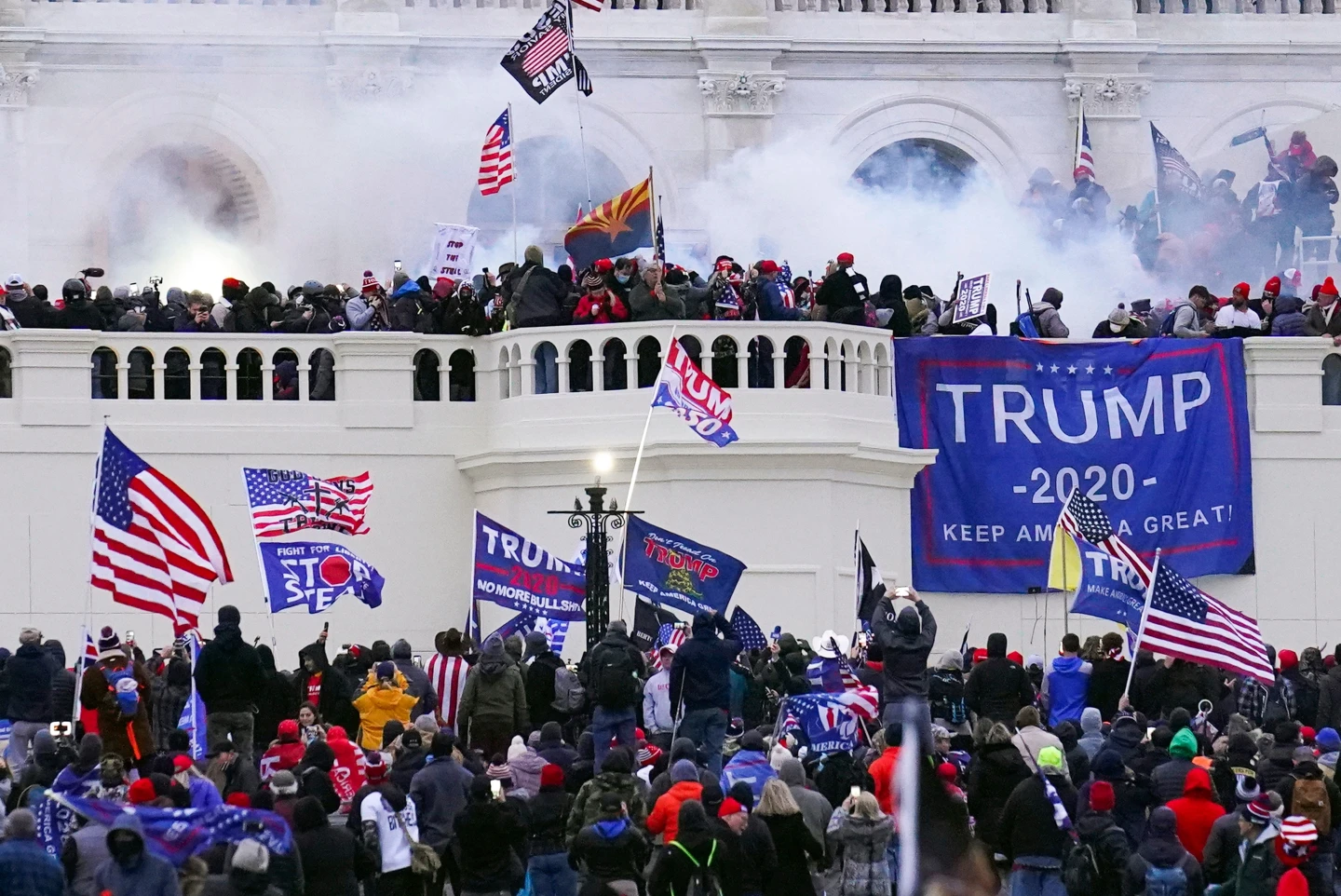
In recent months, tensions have escalated following violent incidents involving federal agents, such as the killings of two U.S. citizens in Minneapolis. Many officials describe a climate of hostility unlike anything they have faced before, prompting them to reassess their approach to federal interactions fully.
Mayor Johnston shared, We used to prepare for natural disasters. Now we prepare for our own federal government. This sentiment resonates with leaders from both political parties as they voice concerns about federal enforcement actions disrupting local governance, community trust, and public safety.
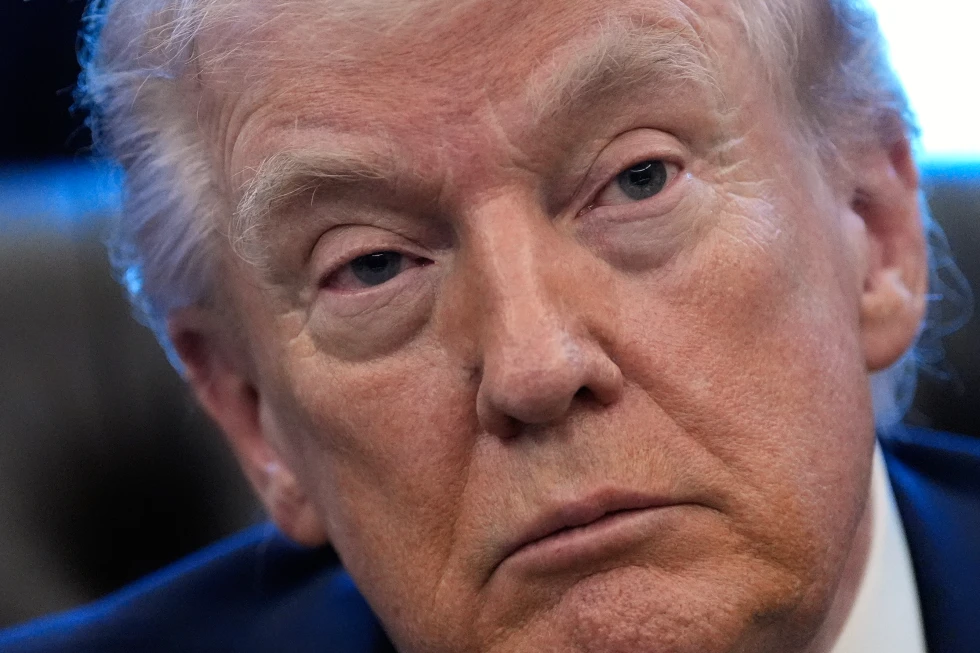
The growing anxiety stems from a larger narrative where President Trump appears to wield federal power more aggressively, particularly around immigration control and law enforcement, challenging the longstanding Republican ideologies advocating for local autonomy.
Some local leaders are calling this a new era of governance where partisan politics dictate the federal-local dynamic, shifting the balance in favor of federal authority during a time when cooperative relationships are more essential than ever. Chicago Mayor Lori Lightfoot stated, When federal operations affect local communities negatively, we must protect our residents as their elected representatives.
Despite the pushback against federal strategies, there are signs of unprecedented bipartisan recognition of local authority. Governors and mayors from across the aisle are joining forces to resist overreach and preserve the integrity of local governance.