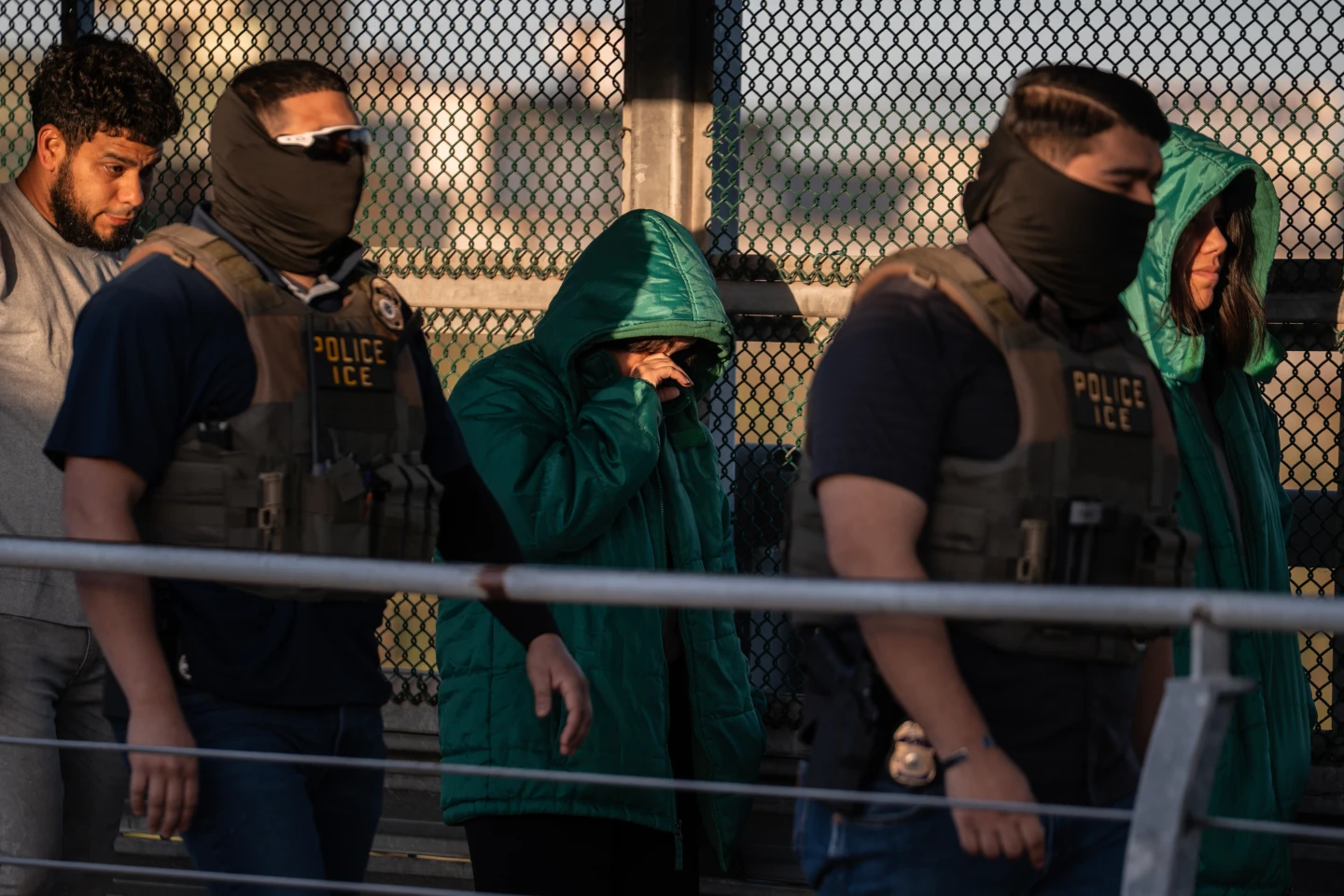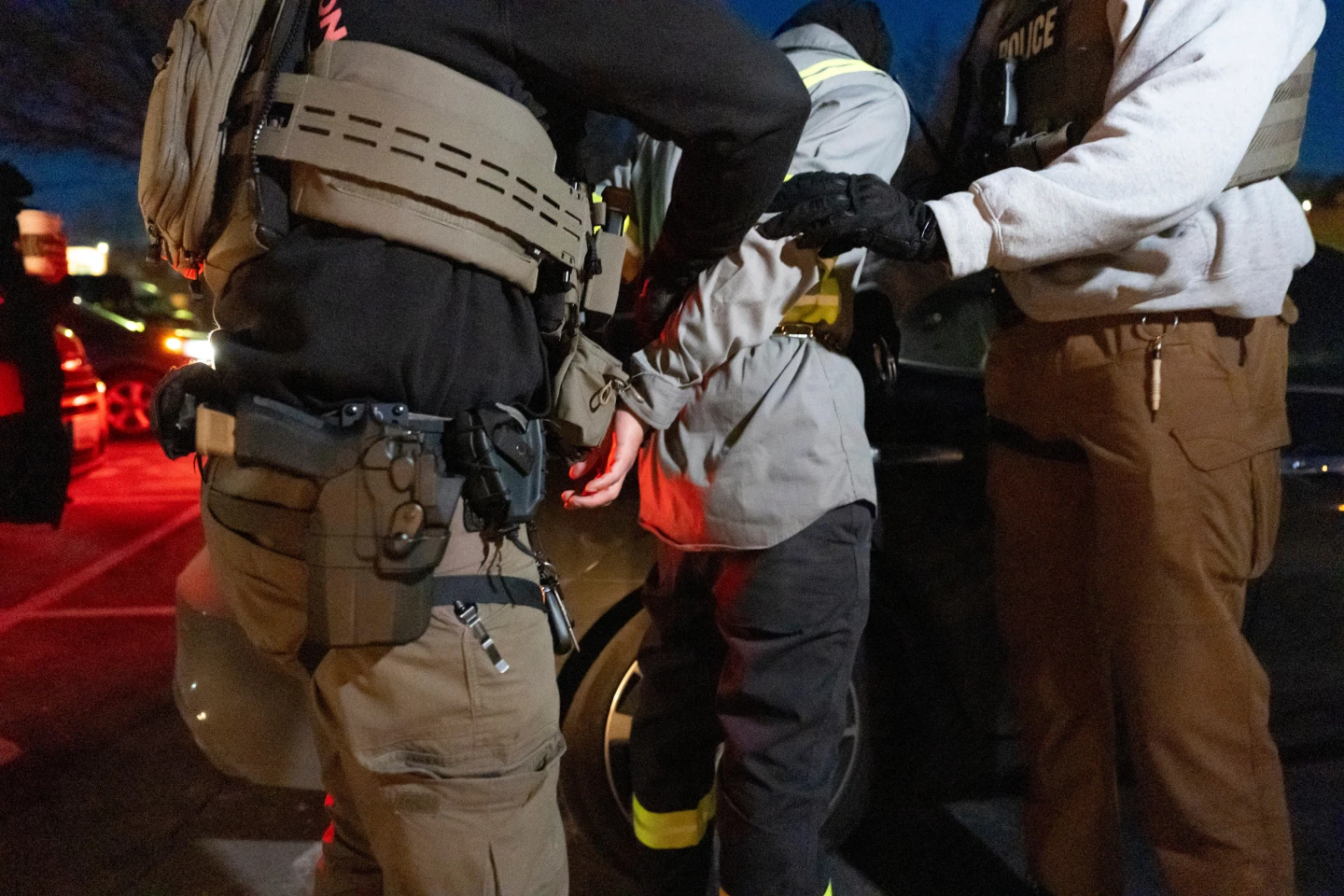
In the latest development regarding the U.S. immigration enforcement approach, the Department of Homeland Security has come under scrutiny for its unconventional naming of operations targeting undocumented immigrants. Names like Operation Dirtbag in Florida and Operation Catch of the Day in Maine have sparked widespread backlash, with critics suggesting that the names convey a dehumanizing message towards immigrants.
Some lawmakers have voiced strong opposition to these designations, arguing that they suggest immigrants are 'sub-human.' Congressman Jimmy Gomez (D-Calif.) has described the names as disgusting and reflective of a broader issue of how immigrant communities are treated in the U.S.
Conversely, proponents of the naming strategy argue it underlines the administration's commitment to immigration enforcement. Congressman Brandon Gill (R-Texas) states that such names demonstrate the seriousness of the Trump Administration's stance on illegal immigration.
Historically, military operations have not employed such catchy or flippant titles. Instead, titles aimed at discretion and default were used to avoid alerting enemies. However, this trend appears to be shifting, reflecting current political climates and administrative styles.
Despite some officials advocating for more traditional names, the trend continues, posing both political and ethical questions about how the U.S. approaches immigration enforcement. Critics label these operations as racially offensive and indicative of deeper systemic issues within the enforcement practices.
With names garnering online backlash and inspiring memes, the conversation about immigration in America persists, encapsulating a larger debate about human rights, enforcement ethics, and political values.