The US has declared a stark policy shift towards three West African countries which are battling Islamist insurgents and whose military governments have broken defense ties with France and turned towards Russia.
The state department announced that Nick Checker, head of its Bureau of African Affairs, would visit Mali's capital Bamako to convey the United States' 'respect for Mali's sovereignty' and chart a 'new course' in relations, moving 'past policy missteps'.
It adds that the US also looks forward to cooperatively working with Mali's allies, neighboring Burkina Faso and Niger, 'on shared security and economic interests'.
Absent from the agenda is the longstanding American concern for democracy and human rights. The Biden administration had halted military cooperation after coups deposed the elected civilian presidents of all three countries between 2020 and 2023, with Niger's Mohamed Bazoum still locked up in his own residence.
The US statement indicates a radical change in policy, evident over the past year, particularly after Donald Trump returned to the White House. This shift began with the shuttering of USAID, a key provider of development support to the region, shortly after Trump’s inauguration. Since then, the US approach has focused more narrowly on security and mineral resources, sidelining development and governance.
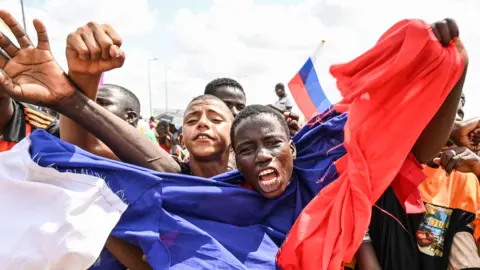
The upcoming visit will resonate strongly in Bamako and allied capitals, where military leaders highlight their rejection of former colonial power France, promoting pan-Africanist sentiments. Burkina Faso's military leader, Capt Ibrahim Traoré, presents himself as a champion against 'imperialism' and 'neo-colonialism', especially among youth in the region.
The Trump administration has shown little concern over these regimes' dismissal of Western democratic norms, indicating a stark shift in US priorities. Massad Boulos, a senior adviser to the state department, noted that while democracy is valued, the US aims not to interfere in other nations' internal affairs.
US military support for these countries in their fight against terrorism is a key focus, particularly as jihadist groups threaten stability in the Sahel region, which has been identified as a global terrorism hotspot.
The US is moving to balance its influence against that of Russia, which has deployed security forces within the region, without undermining its commitment to minimizing direct military intervention. This evolving engagement will center around intelligence sharing and possible weapons supplies as the states combat rising extremist threats in a complex socio-political landscape.
The state department announced that Nick Checker, head of its Bureau of African Affairs, would visit Mali's capital Bamako to convey the United States' 'respect for Mali's sovereignty' and chart a 'new course' in relations, moving 'past policy missteps'.
It adds that the US also looks forward to cooperatively working with Mali's allies, neighboring Burkina Faso and Niger, 'on shared security and economic interests'.
Absent from the agenda is the longstanding American concern for democracy and human rights. The Biden administration had halted military cooperation after coups deposed the elected civilian presidents of all three countries between 2020 and 2023, with Niger's Mohamed Bazoum still locked up in his own residence.
The US statement indicates a radical change in policy, evident over the past year, particularly after Donald Trump returned to the White House. This shift began with the shuttering of USAID, a key provider of development support to the region, shortly after Trump’s inauguration. Since then, the US approach has focused more narrowly on security and mineral resources, sidelining development and governance.
The upcoming visit will resonate strongly in Bamako and allied capitals, where military leaders highlight their rejection of former colonial power France, promoting pan-Africanist sentiments. Burkina Faso's military leader, Capt Ibrahim Traoré, presents himself as a champion against 'imperialism' and 'neo-colonialism', especially among youth in the region.
The Trump administration has shown little concern over these regimes' dismissal of Western democratic norms, indicating a stark shift in US priorities. Massad Boulos, a senior adviser to the state department, noted that while democracy is valued, the US aims not to interfere in other nations' internal affairs.
US military support for these countries in their fight against terrorism is a key focus, particularly as jihadist groups threaten stability in the Sahel region, which has been identified as a global terrorism hotspot.
The US is moving to balance its influence against that of Russia, which has deployed security forces within the region, without undermining its commitment to minimizing direct military intervention. This evolving engagement will center around intelligence sharing and possible weapons supplies as the states combat rising extremist threats in a complex socio-political landscape.