As the year’s Super Bowl approaches, excitement swells not only for the matchup between the New England Patriots and the Seattle Seahawks but also for the cultural and political significance entwined with the game.
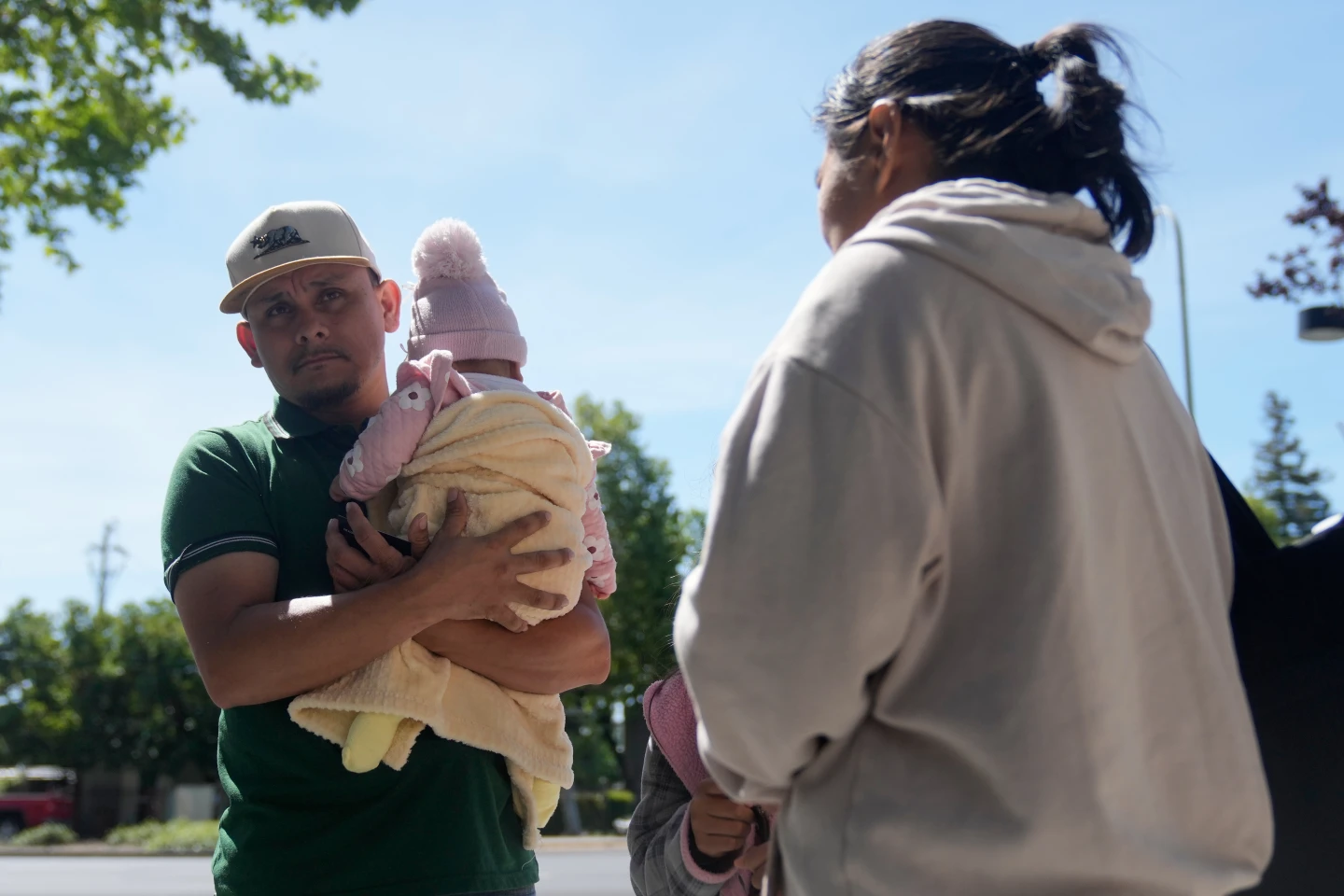
Amid intense scrutiny, the NFL faces pressure to address immigration enforcement issues that have gained momentum in the national conversation. Over 184,000 signatures have been collected in a petition urging the league to unequivocally denounce any presence of Immigration and Customs Enforcement (ICE) agents at Levi’s Stadium in Santa Clara, California, where the game will be held.
MoveOn, a progressive political group, plans to deliver this petition to NFL headquarters, demanding that fans enjoy the game free from the fear that government agents may enforce immigration laws at the stadium. This follows the recent discussions and statements made regarding law enforcement tactics employed under prior and current administrations.
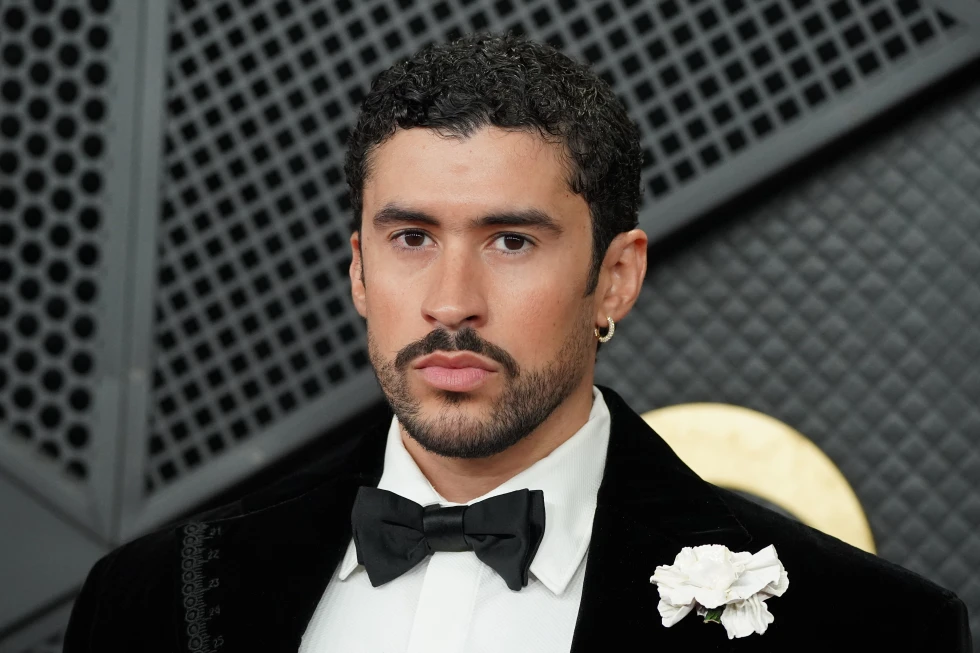
Bad Bunny, the Spanish-speaking headliner of this year’s halftime show, is anticipated to weave these contentious themes into his performance. Known for his vocal criticism of Trump, particularly in response to his actions regarding hurricane relief efforts in Puerto Rico and treatment of immigrants, Bad Bunny's potential remarks during the halftime show could resonate deeply with fans and commentators.
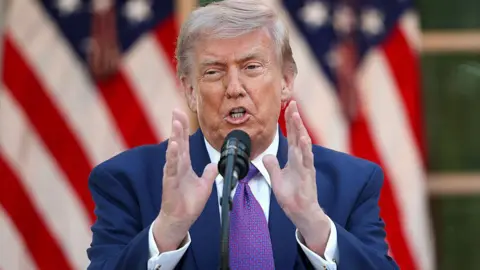
In the midst of this looming political backdrop, Trump has publicly dismissed Bad Bunny as a “terrible choice” while he and his supporters express disdain, labeling the event as the “woke bowl.” Meanwhile, conservative groups are preparing an alternative event to draw attention away from the main attraction.
With the legacy of past halftime show controversies, such as Janet Jackson's infamous performance in 2004, this year's Super Bowl is poised to become a notable intersection of sports, entertainment, and political activism, especially in light of the violent confrontation between federal agents and activists several weeks prior.
As the event nears, discussions about safety, political statements, and public responses continue to unfold, showcasing the complexity of the Super Bowl as more than just a sports event, but a canvas for broader societal issues.