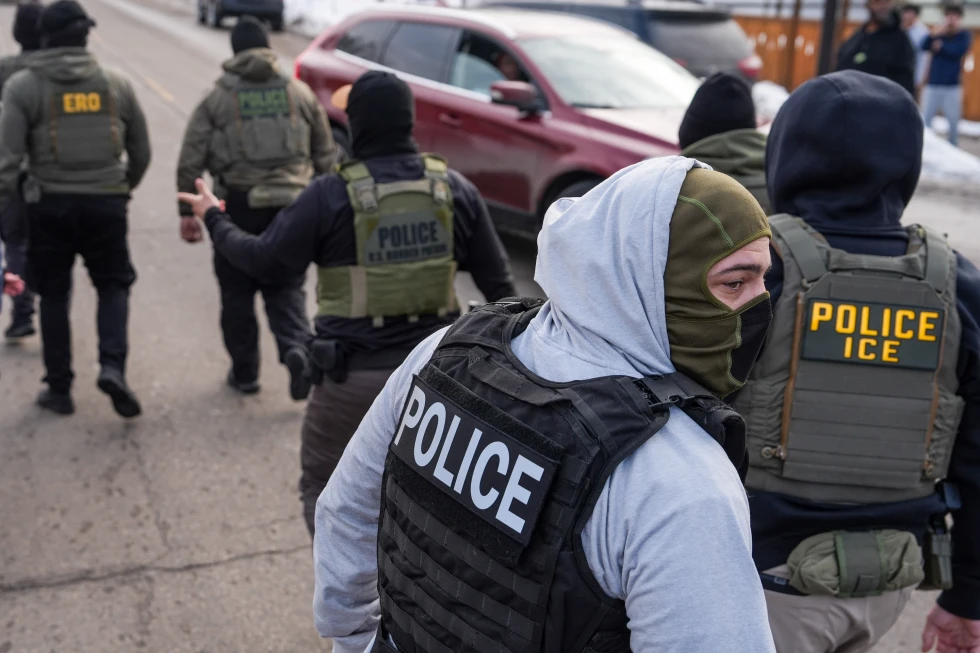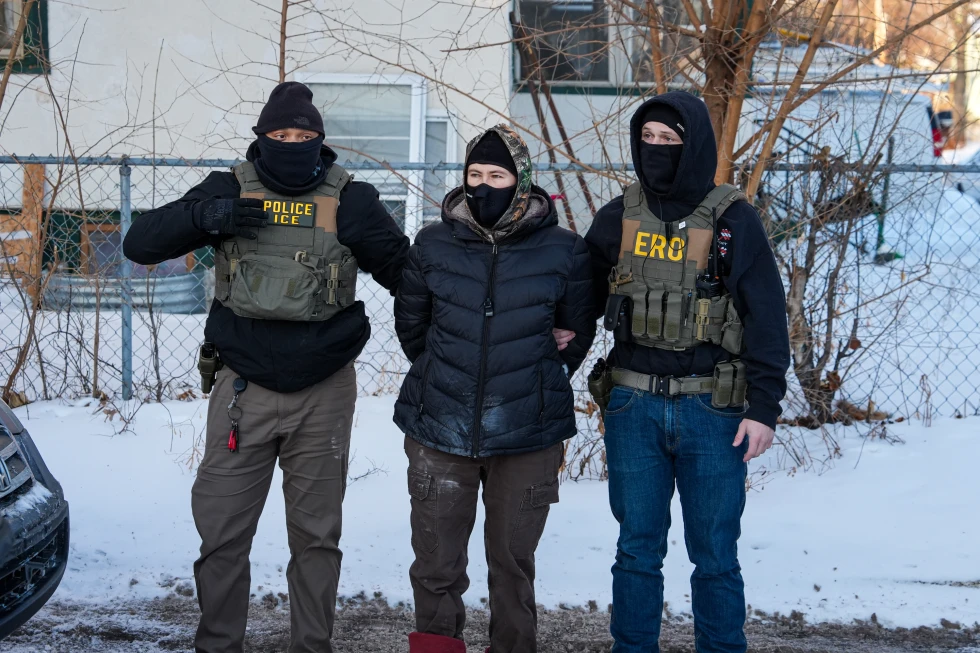
With tensions high over federal immigration enforcement, state and local officials are increasingly resistant to plans by the Trump administration to expand immigration detention capabilities across the United States. This comes as the White House reports a significant increase in the number of detained immigrants, following fatal enforcement actions in states like Minnesota that have spotlighted the practices of U.S. Immigration and Customs Enforcement (ICE).
Recent hearings in states such as Virginia saw residents openly question the implications of proposed detention centers, with local residents raising alarms about public safety and resource strain. Kimberly Matthews, a resident opposing a detention center in Hanover County, expressed fears of replicating the violence witnessed in Minnesota, emphasizing the community's unwillingness to host such facilities.
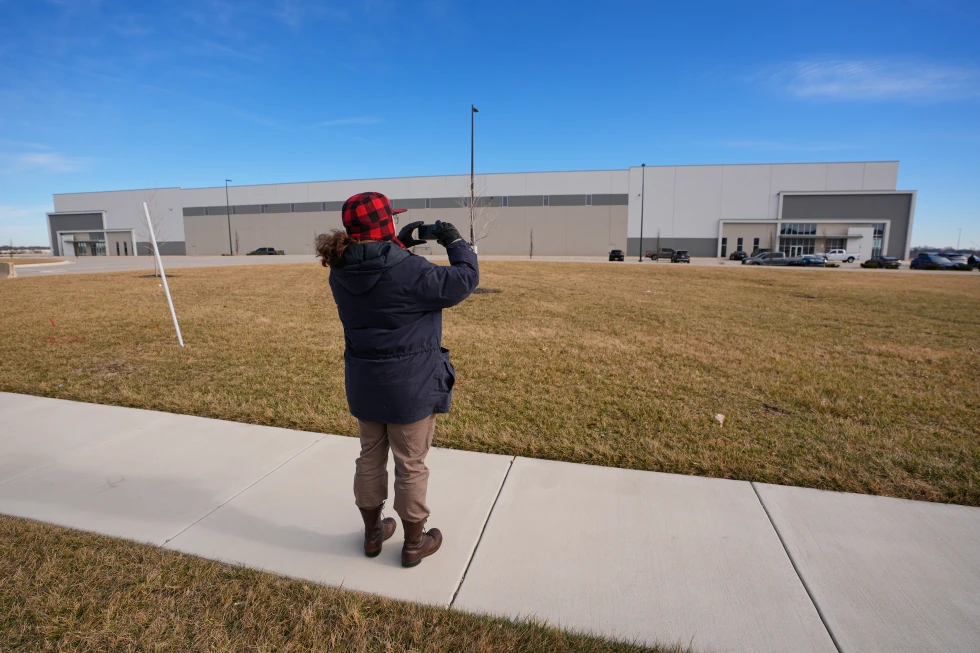
In response to the initiatives aimed at housing thousands of detainees, elected officials in Kansas City attempted to enact an ordinance to block ICE’s efforts, showcasing a broader trend of resistance in cities like Oklahoma City and Salt Lake City, which have actively refused to sell or lease properties for detention use.
Simultaneously, legislative measures have emerged across Democratic-led states targeting local contracts for ICE. New Mexico is pushing forward with bills that would prohibit state-funded immigration detention detention agreements while other states consider imposing heavy taxes on proceeds from ICE contracts to deter companies from engaging with federal immigration enforcement.
The escalating conflict highlights a constitutional battleground where local authorities strive to maintain community standards against federal policies regarded as oppressive. Experts warn of legal barriers that complicate resistance, given that federal law often supersedes local ordinances.
While the federal government ramps up acquisition of detention sites through substantial financial allocations for existing properties, local governments are challenged with navigating a limited scope of authority under federal mandate—prompting a continuing national examination of local versus federal jurisdiction in immigration enforcement.