The eyes of the nation are fixated on the events unfolding in Minneapolis. Local journalists are rising to the occasion, particularly the Minnesota Star Tribune, which has emerged as a leader in investigative reporting during this turbulent time.
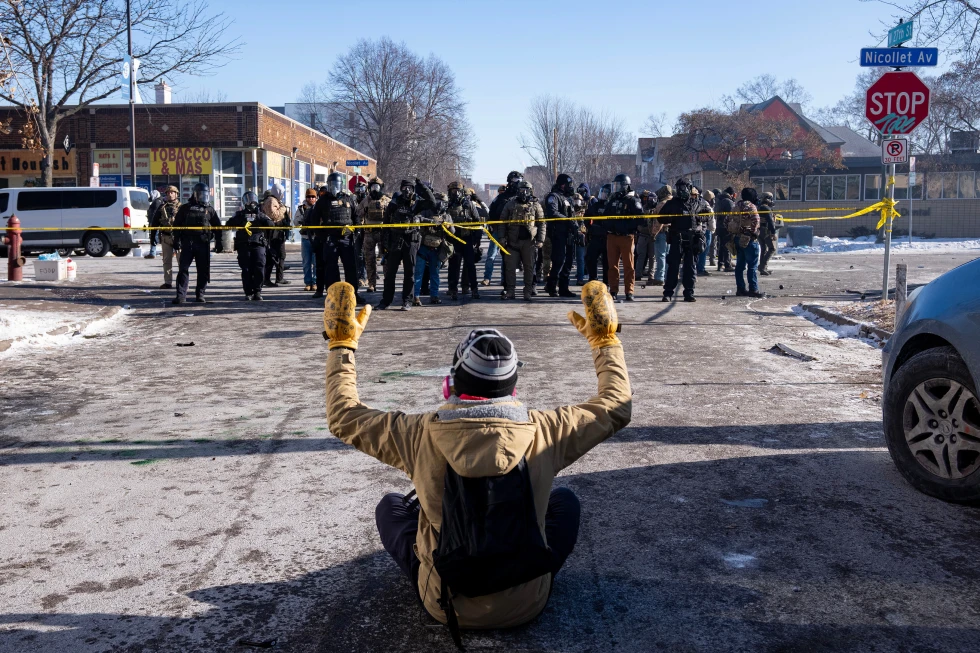
In the past month, the Star Tribune has broken significant stories, including the identity of the immigration enforcement officer involved in the shooting of Renee Good, and has created impactful images, such as Richard Tsong-Taatarii’s shot of a demonstrator being sprayed with a chemical irritant—a photo that encapsulates public outrage.
As regional newspapers struggle due to declining revenues, the Star Tribune has maintained a stable workforce under billionaire owner Glen Taylor, demonstrating a commitment to quality journalism and a digital transformation.
Minnesota’s Journalism Ecosystem
The Star Tribune thrives within a rich tradition of journalism in Minneapolis. Institutions like Sahan Journal have made their mark by focusing on immigrant communities, especially in light of contentious political climates.
As national media outlets amplify coverage, local journalists bring invaluable knowledge to the forefront, allowing for nuanced and rapid reporting. The Star Tribune's local reporters have been crucial on scenes of tragedy, capitalizing on their familiarity with the neighborhoods.
“This is a place with a really long tradition of activism,” noted Senior Vice President Kathleen Hennessey, “and people mobilize quickly.” With community ties, journalists like Liz Sawyer contribute firsthand knowledge to stories about immigration enforcement.
Action by local law enforcement has led to an increased need for accountability, as seen in Tsong-Taatarii’s evocative photography aimed at capturing the “evidence” for public engagement.
Reflections of Fear and Belonging
In a standout piece, the Star Tribune highlighted the immigration roundup of nearly 3,000 individuals. Investigative reporting has revealed a deep-seated fear in the community, prompting columnist Laura Yuen to reflect on how her identity is challenged, describing her passport now as a “badge to prove I belong.”
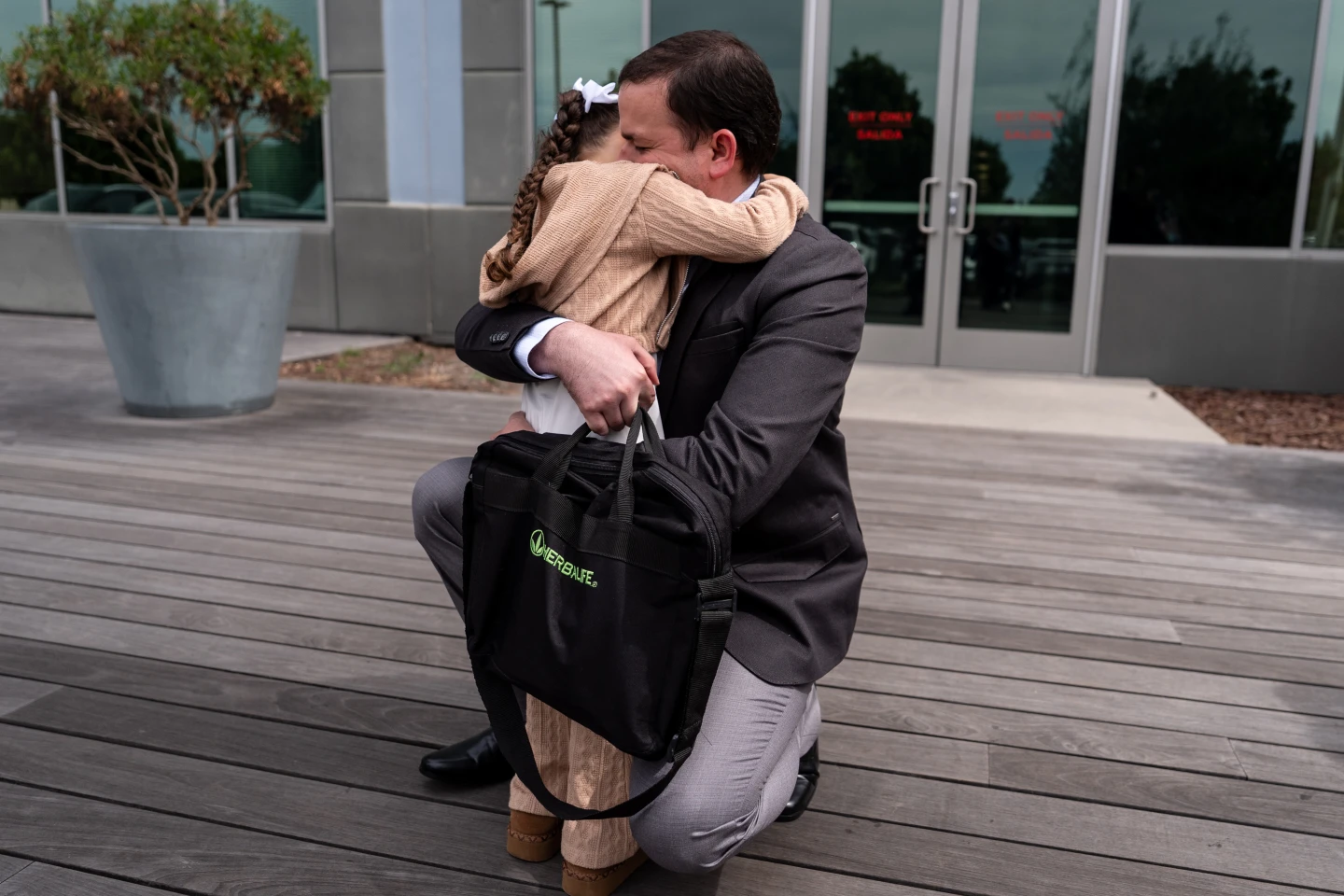
Muscling through obstacles, the Star Tribune is committed to covering difficult stories, including the health impacts of chemical irritants utilized by police, and the broader repercussions of enforcement actions on families and individuals.
Despite facing pressure, reports show rising reader engagement and increased traffic following the unrest, indicating a public need for thorough, dedicated, and compassionate journalism. The Star Tribune leads a shift towards inclusive newsrooms capable of serving their communities effectively.
A Digital-First Future
As the Star Tribune continues to evolve under Publisher Steve Grove, a digital-first approach has reshaped operations. Having transitioned much of its workforce, the paper is focusing on online reporting, contributing to interactive storytelling and live updates for readers.
In a challenging environment for local journalism, the Star Tribune embraces its role as a community pillar. By addressing serious matters with dedication, journalists like Sawyer are countering the fatigue stemming from constant scrutiny. Emphasizing the dire realities faced by residents, she remarks, “We’re tired of being in the international spotlight, but we’re determined to capture the truth.”