The annual awards season in the entertainment industry has intersected with heightened tensions surrounding immigration policies under the Trump administration, particularly in Minneapolis, where a mass deportation campaign is in full force. This has sparked a cultural revolt that artists are grappling with in their work and public personas.
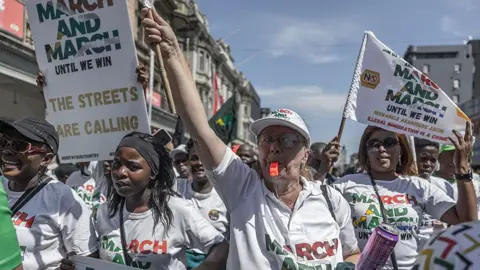
On Sunday, as the Grammys celebrated some of music's biggest stars on the red carpet, the presence of activists advocating for the rights of immigrants was palpable. Many urged celebrities to wear pins that symbolize resistance to ICE and its practices, echoing the sentiments of a growing number of voices against ongoing immigration crackdowns.
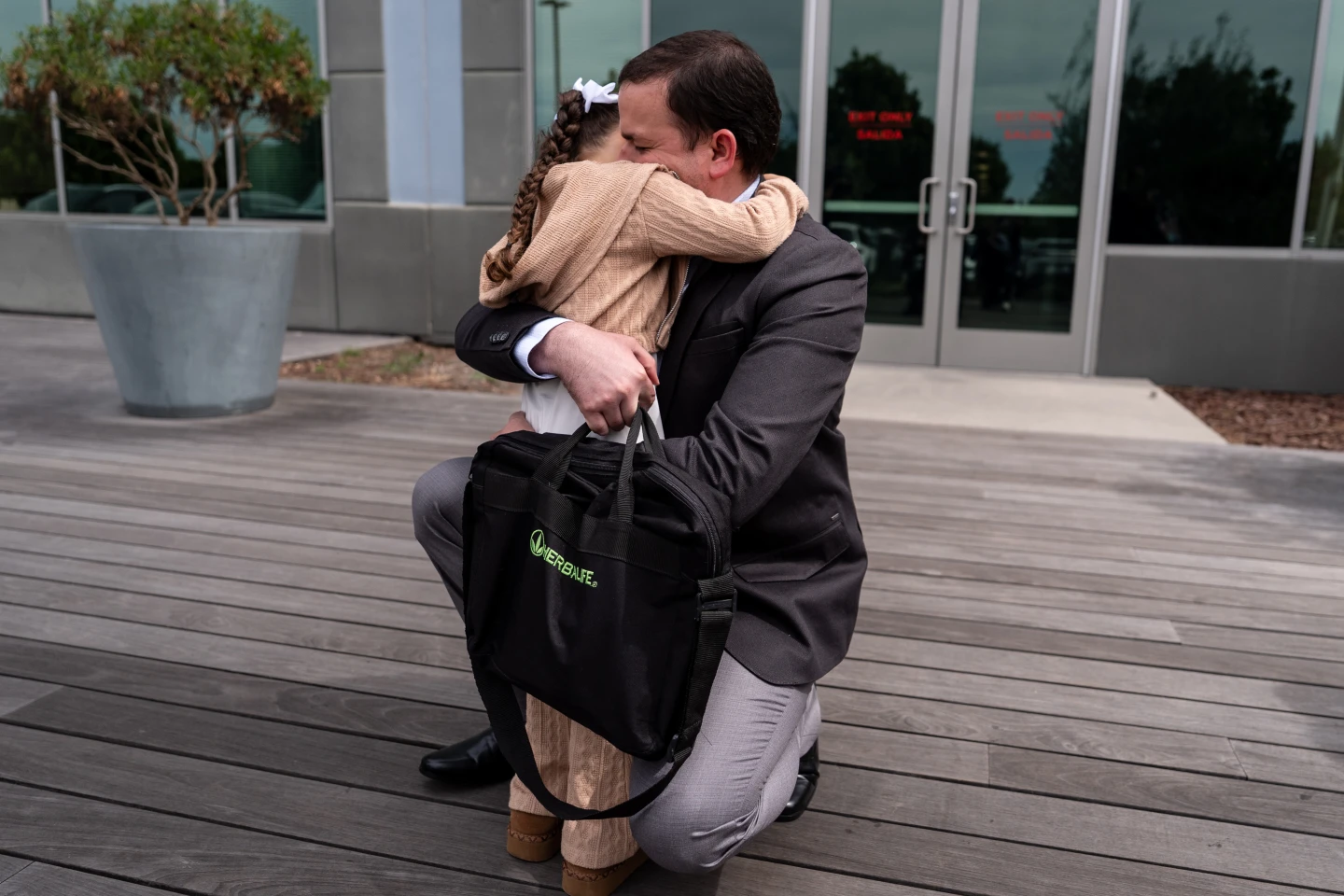
Compared to last month's Golden Globes, there seemed to be a considerable increase in artist participation in the protest movement at the Grammys. The public outcry has intensified following a troubling incident where a Border Patrol officer shot and killed nurse Alex Pretti, and ICE detained the young Liam Conejo Ramos, spurring even greater demands for justice.
Organizers underscore the unique rebellious spirit of artists in the music industry, suggesting their willingness to partake in activism is stronger compared to Hollywood's approach. Jess Morales Rocketto, Executive Director of Maremoto, emphasized that the red carpet moment transcends mere fashion, urging artists to advocate for communities affected by ICE.
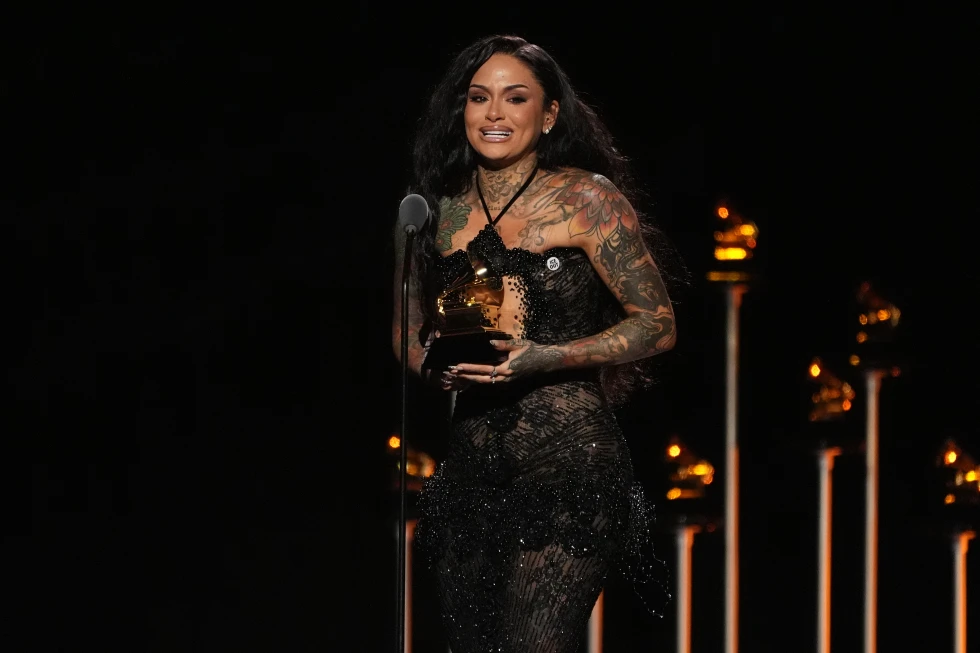
Notably, celebrity attendees like Jason Isbell and Kehlani made headlines by sporting protest apparel and speaking against ICE during acceptance speeches. Kehlani's passionate remarks resonated as she condemned the agency during her acceptance for the best R&B performance award. Other notable figures also made statements, wearing protest pins that explicitly called for the removal of ICE.
Earlier in the week at the MusiCares gala, Mexican American singer Becky G made a bold statement with her nails that denounced ICE, sending a clear message ahead of the awards ceremony.
As the Grammy crowd grew more politically aware, instances of solidarity like Natalie Portman and Olivia Wilde's proactive choices at red carpet events showcased the alarming realities faced by affected communities.
However, the risks associated with political expression remain evident for many artists. Morales Rocketto noted that industry pressures from record labels, corporate partners, and concerns for personal safety often discourage artists from speaking out. The threat posed by ICE remains all too real, impacting even some of the most celebrated figures in entertainment.
Despite these challenges, many artists expressed a desire to leverage their platforms for social justice, recognizing that their status does not exempt them from the systemic issues that influence the lives of their families and communities.