In brief
Bad Bunny, the Puerto Rican superstar set to headline the Super Bowl halftime show, faces both criticism and support as he aims to use the platform for unity amid a politically charged atmosphere. His previous statements against US immigration policies have drawn backlash from conservatives, but many expect him to deliver a powerful, possibly political message during the performance.
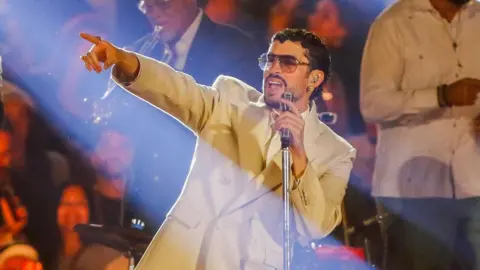
Two American football teams - the Seattle Seahawks and New England Patriots - will vie for the championship title on Sunday during Super Bowl LX. But mid-game there's a separate, equally high-profile battle brewing: a culture war.Puerto Rican superstar Bad Bunny, who has been tapped as the show's headliner, has attracted an unprecedented level of criticism for his outspoken opposition to US immigration policy - with some even calling for his deportation, even though he is a US citizen.It's not exactly new. Half-time performances have a history of sparking controversy - from Janet Jackson's infamous wardrobe malfunction in 2004, to the live debut of Beyoncé's Black Lives Matter anthem Formation in 2016.But this year's show ignited debates before Bad Bunny - the most streamed artist in the world, who primarily performs in Spanish - even took the stage. Republicans balked at his politics, with an Alabama senator dubbing it the 'woke bowl.' US President Donald Trump called Bad Bunny's selection 'absolutely ridiculous,' and the Speaker of the House summed it up as a 'terrible decision.'Reactions have been mixed, with some conservatives promising to boycott the performance. In response, the conservative organization Turning Point USA has announced a counter-program called 'All American,' to air during Bad Bunny's show, headlined by Kid Rock.Given the anticipation surrounding his performance, experts are weighing in on what Bad Bunny might express during one of the world's most-watched live events. At a press conference, he conveyed his intention to unite through music, stating, 'I know that the world is gonna be happy... and they're gonna dance and they're gonna have a good time.'As the first artist to headline the Super Bowl halftime show entirely in Spanish, Bad Bunny’s participation is noted to be profoundly political. Social scientists and fans alike are eager to see how he will meld entertainment with his advocacy for humanitarian issues, especially around immigration.Bad Bunny's growing prominence can be seen as both a necessity for the NFL's attempt to connect with Latino audiences and a way for him to showcase Puerto Rican identity on a grand stage. Whether he will directly address the contentious political climate remains unclear, however, many believe that his performance will still carry an essential message about unity and resilience.