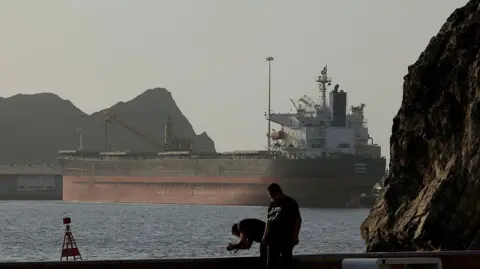
Global oil prices rose in Monday morning trade in Asia after President Donald Trump said the US has intercepted and seized an Iran-flagged cargo ship. It came after Iran said on Saturday that it was closing the Strait of Hormuz waterway again to commercial vessels and that any ship that approaches it would be targeted. Brent crude futures were up by 4.74% at $94.66 (£70.11) a barrel, while West Texas Intermediate was 5.6% higher at $88.55.
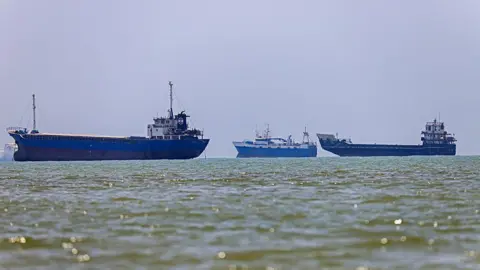
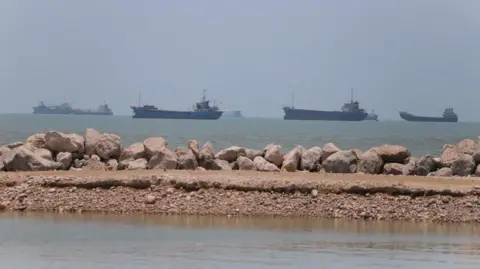
Energy markets have seen wild swings since the US and Israel attacked Iran on 28 February, with Tehran threatening to target shipping in the strait that sees about 20% of the world's oil and liquefied natural gas flow through it.
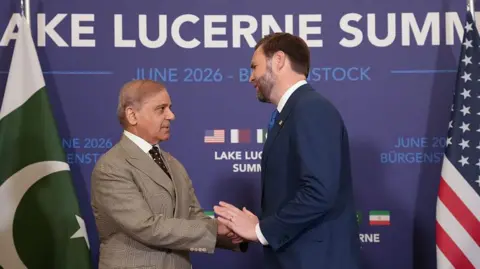
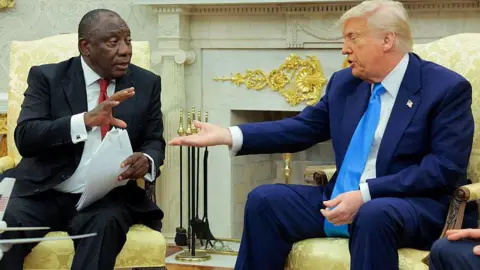
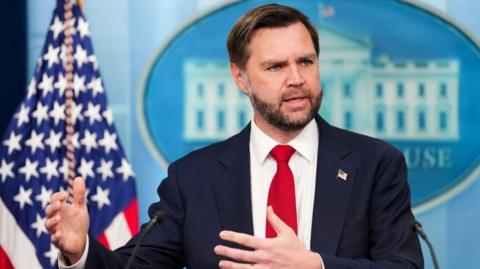
Earlier, Trump indicated that his representatives would be in Pakistan for negotiations, led by Vice-President JD Vance. However, Iranian state media reported that Tehran had 'no plans for now to participate' in those talks, leaving the country's position unclear.
'Oil markets continue to gyrate in response to oscillating social media posts by the US and Iran, rather than the realities on the ground which remain challenging for oil flows to resume in a rapid fashion,' analyst Saul Kavonic from MST Marquee stated. He highlighted that current diplomatic moves are part of negotiations occurring in real time in the Strait of Hormuz.
The Strait of Hormuz remained closed on Sunday, after the Islamic Revolution Guard Corps declared an end to a temporary reopening over concerns of a US blockade violating ceasefire terms. Trump reiterated that the blockade would persist until an agreement is reached.
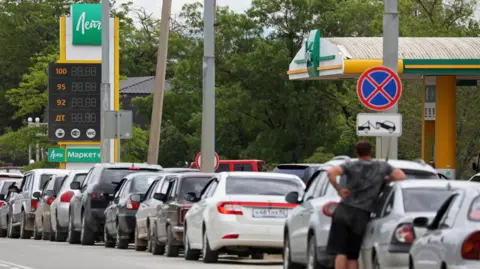
Since the start of the Iran war, energy prices have undergone volatile trading. Brent crude prices, a benchmark for oil futures, hovered under $70 per barrel before the conflict escalated and peaked at nearly $120 in early March. This ongoing conflict has triggered a global energy crisis, resulting in increased prices and fuel shortages in several countries. Notably, Asia, which relies on shipments through the Strait for about 90% of its energy needs, has been particularly affected, prompting governments to implement various measures to conserve energy amid soaring prices.
Energy markets have seen wild swings since the US and Israel attacked Iran on 28 February, with Tehran threatening to target shipping in the strait that sees about 20% of the world's oil and liquefied natural gas flow through it.
Earlier, Trump indicated that his representatives would be in Pakistan for negotiations, led by Vice-President JD Vance. However, Iranian state media reported that Tehran had 'no plans for now to participate' in those talks, leaving the country's position unclear.
'Oil markets continue to gyrate in response to oscillating social media posts by the US and Iran, rather than the realities on the ground which remain challenging for oil flows to resume in a rapid fashion,' analyst Saul Kavonic from MST Marquee stated. He highlighted that current diplomatic moves are part of negotiations occurring in real time in the Strait of Hormuz.
The Strait of Hormuz remained closed on Sunday, after the Islamic Revolution Guard Corps declared an end to a temporary reopening over concerns of a US blockade violating ceasefire terms. Trump reiterated that the blockade would persist until an agreement is reached.
Since the start of the Iran war, energy prices have undergone volatile trading. Brent crude prices, a benchmark for oil futures, hovered under $70 per barrel before the conflict escalated and peaked at nearly $120 in early March. This ongoing conflict has triggered a global energy crisis, resulting in increased prices and fuel shortages in several countries. Notably, Asia, which relies on shipments through the Strait for about 90% of its energy needs, has been particularly affected, prompting governments to implement various measures to conserve energy amid soaring prices.