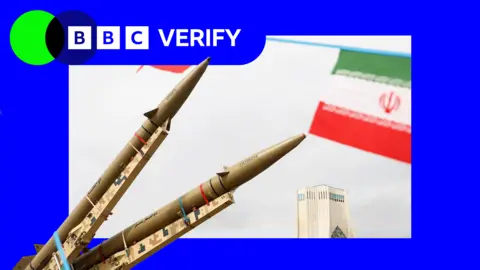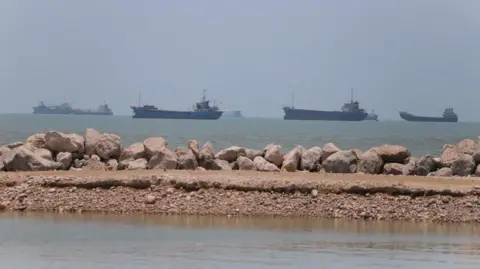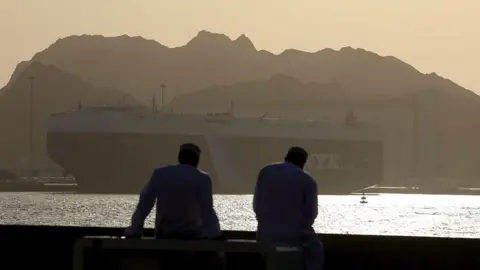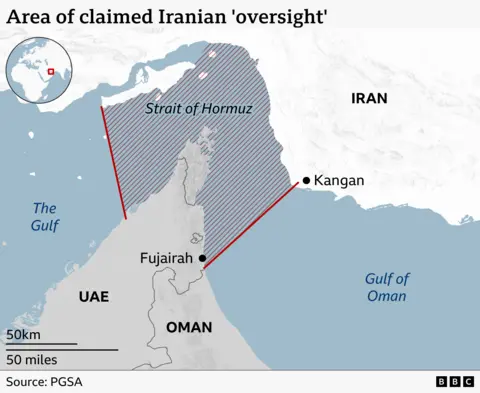
Iran has escalated its territorial claims over the Strait of Hormuz by announcing expanded military control over 22,000 sq km of the critical oil trade route, including territorial waters of the UAE and Oman. The Persian Gulf Strait Authority—which Iran established this week—declares 'Iranian armed forces oversight' across the strategic waterway, requiring all transit through the strait to coordinate with and obtain authorization from the new authority.
Regional reactions have been swift and dismissive. The UAE's diplomatic adviser, Anwar Gargash, called the claims 'nothing but fragments of dreams,' noting Iran's recent military setbacks. The US has firmly rejected the move, explicitly instructing ships not to comply with Iran's rules. US military commander Admiral Mike Davison stated, 'Iran's unilateral attempts to control international waters contradict international law and pose unacceptable risks to global commerce.'
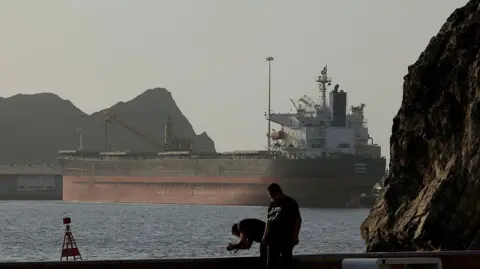
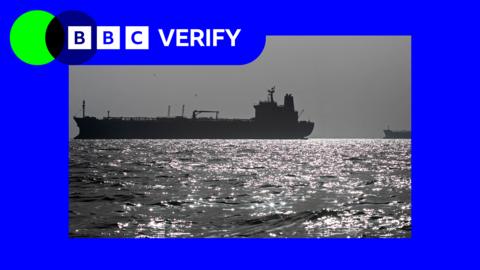
Tensions spiked further when IRGC-linked media released footage allegedly showing a 'punishment strike' on the Liberian-flagged tanker Barakah, which reported being hit by projectiles in early May. BBC Verify analysis confirmed the vessel's identity and match with the footage. Separately, US Central Command intercepted the oil tanker Celestial Sea in the Gulf of Oman, redirecting it to Oman after alleging it violated the US blockade of Iranian ports. Centcom reported detaining 94 commercial vessels and disabling four since April 13.
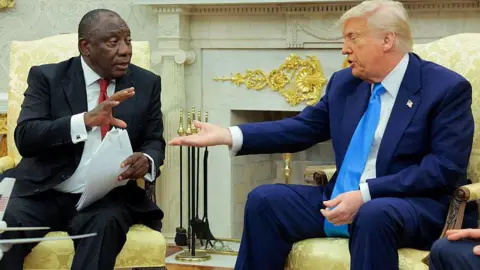
Diplomatically, President Trump postponed planned military action against Iran, citing 'serious negotiations' underway at the request of Gulf states. However, he warned, 'If we don't get the right answers, it goes very quickly.' Pakistan's military chief, Asim Munir, is currently mediating in Tehran amid reports of renewed US-Iran proposals. Meanwhile, the Strait of Hormuz—handling one-third of global seaborne oil trade—faces growing risk of disruption as both sides escalate claims to sovereignty.
Analysts warn the dispute threatens global energy security, with US Navy Admiral Karl Wilburn stating, 'Any blockade of this strait would trigger immediate military response from the US and regional partners. The world's oil supply chain cannot endure unilateral territorial assertions.'}
Regional reactions have been swift and dismissive. The UAE's diplomatic adviser, Anwar Gargash, called the claims 'nothing but fragments of dreams,' noting Iran's recent military setbacks. The US has firmly rejected the move, explicitly instructing ships not to comply with Iran's rules. US military commander Admiral Mike Davison stated, 'Iran's unilateral attempts to control international waters contradict international law and pose unacceptable risks to global commerce.'
Tensions spiked further when IRGC-linked media released footage allegedly showing a 'punishment strike' on the Liberian-flagged tanker Barakah, which reported being hit by projectiles in early May. BBC Verify analysis confirmed the vessel's identity and match with the footage. Separately, US Central Command intercepted the oil tanker Celestial Sea in the Gulf of Oman, redirecting it to Oman after alleging it violated the US blockade of Iranian ports. Centcom reported detaining 94 commercial vessels and disabling four since April 13.
Diplomatically, President Trump postponed planned military action against Iran, citing 'serious negotiations' underway at the request of Gulf states. However, he warned, 'If we don't get the right answers, it goes very quickly.' Pakistan's military chief, Asim Munir, is currently mediating in Tehran amid reports of renewed US-Iran proposals. Meanwhile, the Strait of Hormuz—handling one-third of global seaborne oil trade—faces growing risk of disruption as both sides escalate claims to sovereignty.
Analysts warn the dispute threatens global energy security, with US Navy Admiral Karl Wilburn stating, 'Any blockade of this strait would trigger immediate military response from the US and regional partners. The world's oil supply chain cannot endure unilateral territorial assertions.'}