Ceasefire Negotiated Between Israel and Hezbollah, but Night‑time Strikes Continue
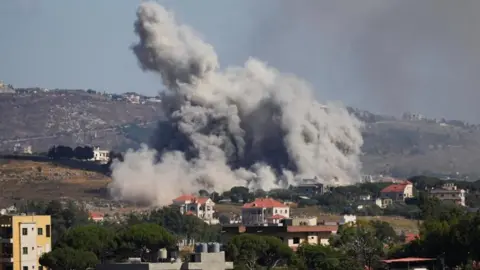
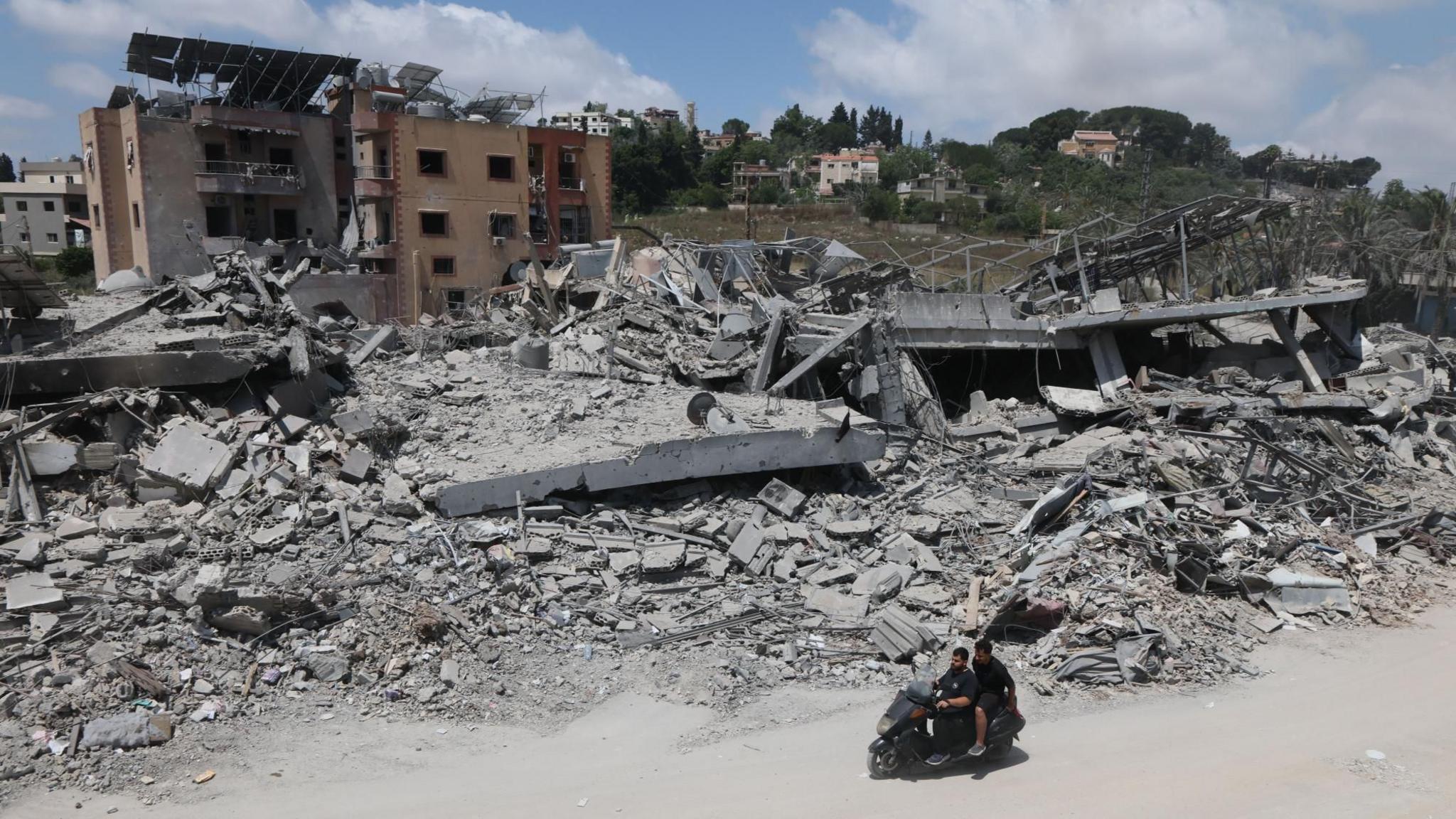
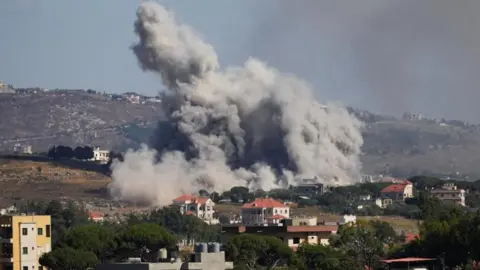
Photo: Reuters. Israeli air strikes over Nabatieh District, 19 June 2026.
The U.S. Department of State confirmed that Israel and Hezbollah had reached a ceasefire that was announced just after a night‑time shelling that killed 47 civilians in southern Lebanon. The truce was hailed as a potential turning point in the flare‑up that escalated since the January targeting of Iranian leaders.
However, despite the ceasefire the Lebanese ministry reported 12 more air strikes over parts of the Nabatieh district after the truce went live at 16:00 local time (13:00 GMT). The continuing attacks have left many residents skeptical that the agreement will hold.
“This agreement is good, but Israelis never keep it,” said one resident, expressing frustration at the repeated violations. Hezbollah’s Secretary‑General Sheikh Naim Qassem described the efforts to eliminate the group as a failed project, insisting that Israeli forces would withdraw from Lebanese territory.
The Ceasefire’s Geopolitical Context
The truce sits on the shaky ground of the U.S.‑Iran Memorandum of Understanding – a deal that has already been called into question by the Iranian Foreign Ministry, which blamed the U.S. for any breach. More broadly, the new ceasefire comes amid a U.S. administration that is trying to manage a complex diplomatic dance between Israel, Iran and allies.
Netanyahu faces domestic pressure to continue operations against Hezbollah fighters; meanwhile, the Israeli military spokesperson has stated the side will "continue to remove immediate threats" while waiting for Hezbollah to honor its side of the ceasefire.
Human Toll and Public Sentiment
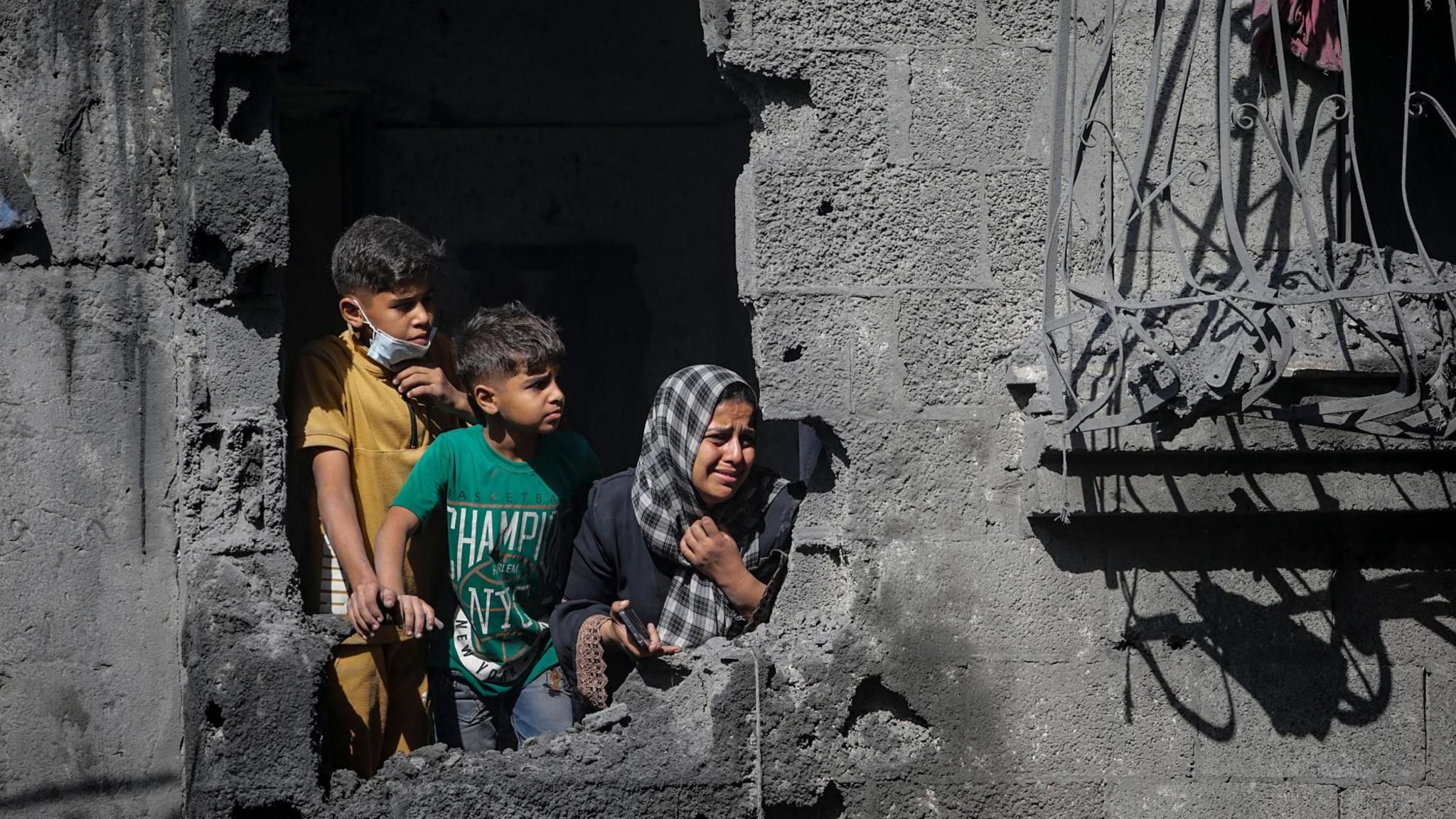
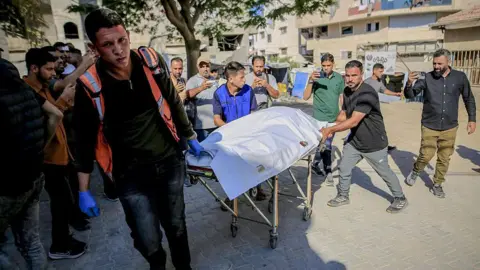
According to Lebanon’s health ministry, the night of strikes inflicted 47 fatalities, including babies and women, and wounded 97 others. Across the country, the ongoing war has already caused more than 3,900 deaths and 11,600 injuries, while roughly one million civilians remain displaced.
Displaced families in southern Lebanon clamor for a reliable end to the fighting; many express doubt over Israel’s adherence to the ceasefire, pointing to repeated inclinations to suspend the truce whenever it is convenient.
With a new tranche of Israeli air strikes still unfolding, observers note that the ceasefire could prove a temporary lull rather than a decisive resolution. Many experts argue that hard‑liners on both sides are unlikely to capitulate, and that the fragile terms may collapse under the weight of political and military pressures.