Israeli Troops Kill Two in South Lebanon Amid Lull in Fighting
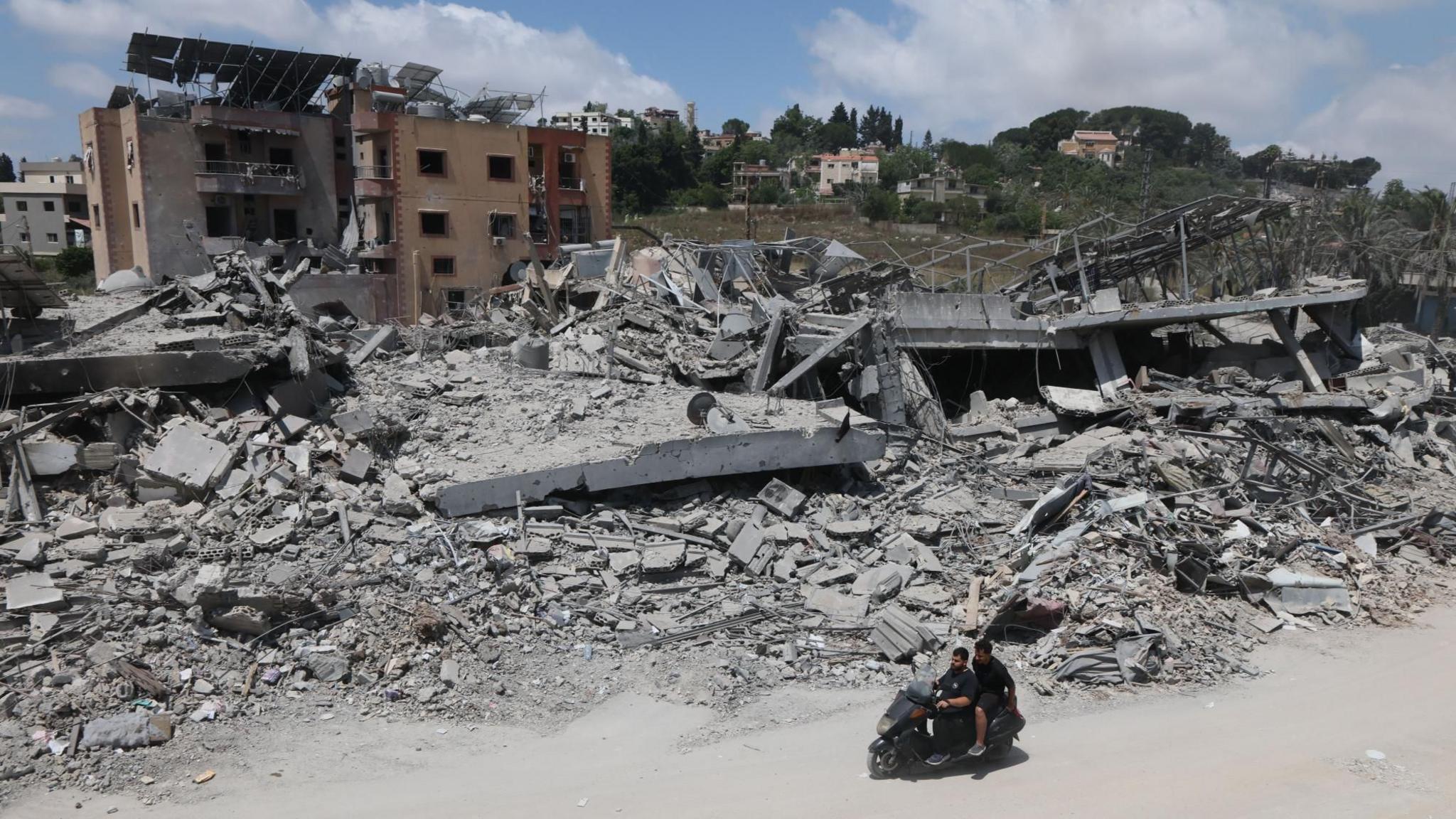
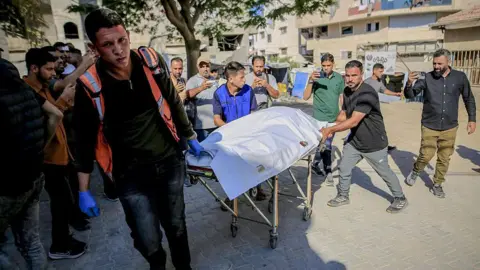
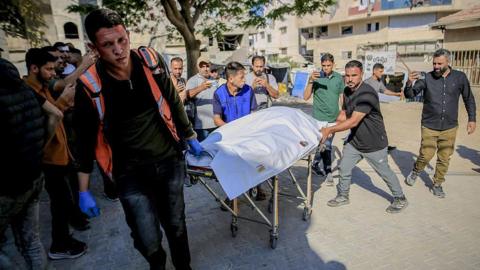
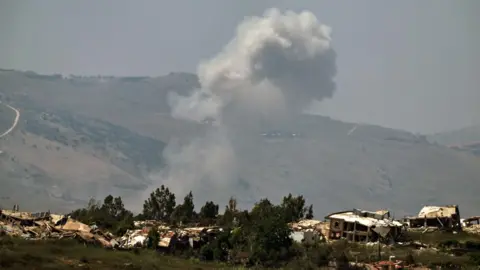
In a rare flare‑up after a brief ceasefire, Israeli forces report that two civilians were killed while standing near a bulldozer that was clearing debris in Nabatieh al‑Fawqa, in southern Lebanon.
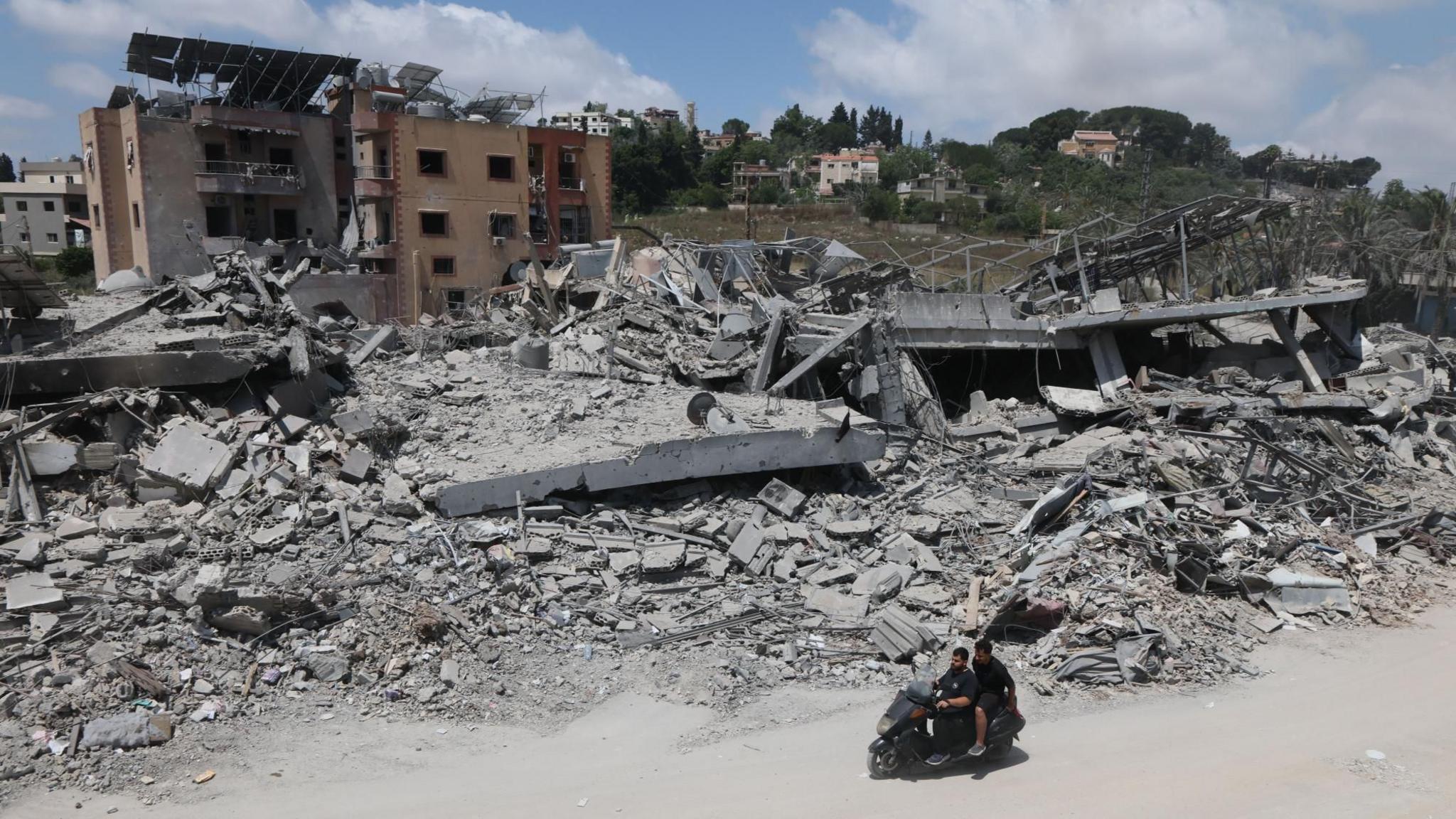
Lebanon’s state-run National News Agency identified the victims, Mohammed Amhaz and Sajed al‑Hajj Ali, as members of a rescue team affiliated with Hezbollah’s Islamic Health Association. They were among workers clearing rubble when Israeli troops fired at a bulldozer and a motorcycle that the military said were operated by Hezbollah militants. The strike, the first fatal incident reported since the ceasefire came into effect on Sunday, is framed by the Israeli military as a defensive measure against an “ongoing threat.”
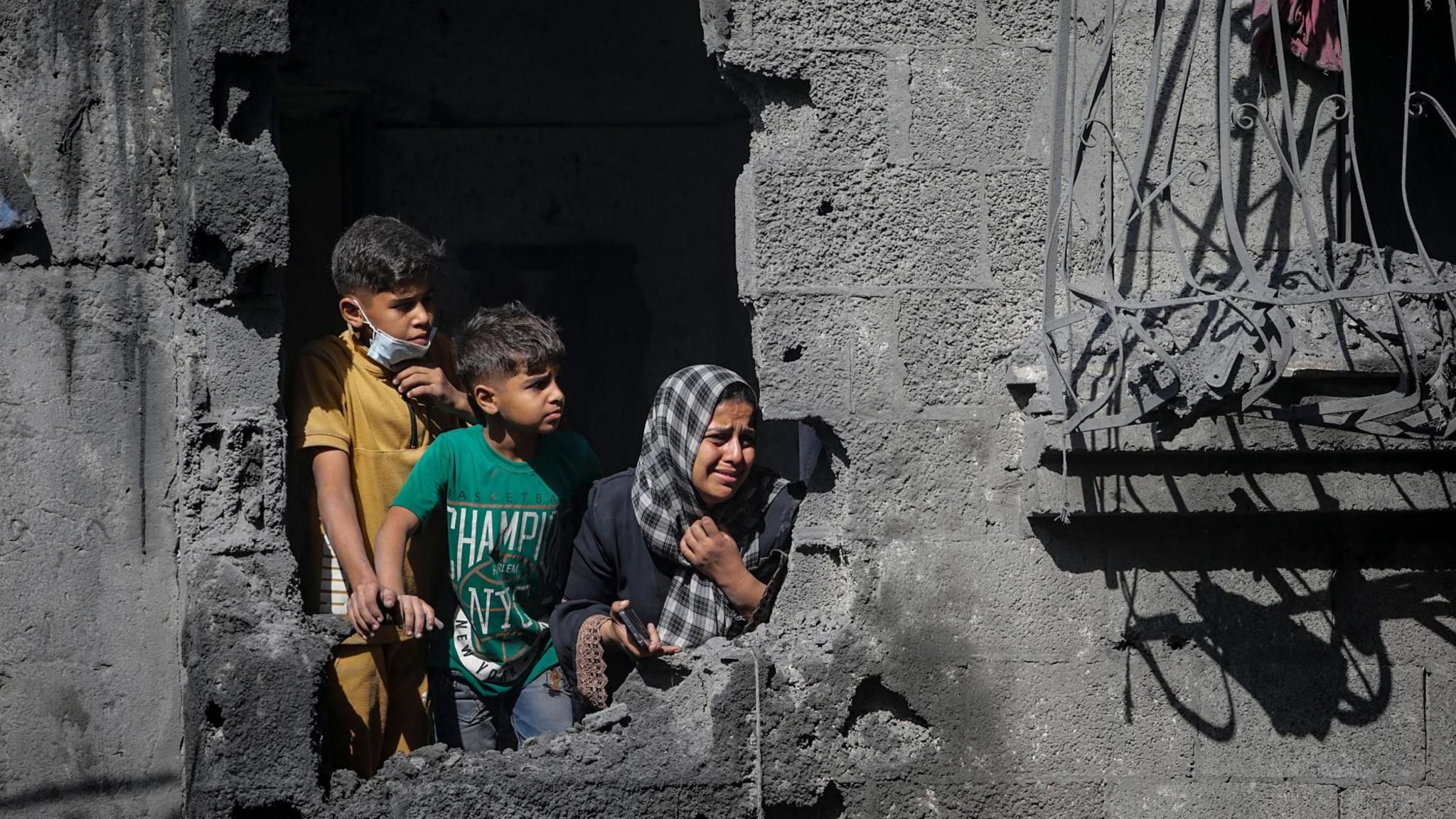
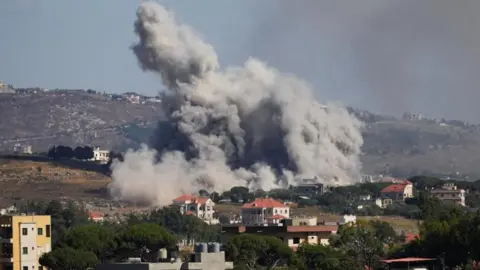
Hezbollah’s military wing condemned the shooting as “a blatant violation of the ceasefire,” and warned that the violation could undermine the broader peace talks underway in Washington. The group announced plans to resume hostilities if Israeli attacks continue, while Israeli Prime Minister Benjamin Netanyahu stressed that Israel would stay in Lebanese territory “as long as necessary” to neutralise threats. The incident follows a wave of 150 air strikes earlier in the week that left at least 83 civilians dead, according to the Lebanese health ministry.
Contextually, the conflict can be traced back to the March 2026 United States‑Israel‑Iranic war, when Hezbollah launched rockets into Israel in retaliation for a strike that killed Iran’s supreme leader. Israel retaliated with a bombing campaign and an invasion that pushed deep into Lebanese territory, attacking strategic positions such as the Ali al‑Taher ridge and destroying villages near Nabatieh. The ceasefire that has held since Sunday has rescued at least 1.2 million people from displacement but remains fragile.
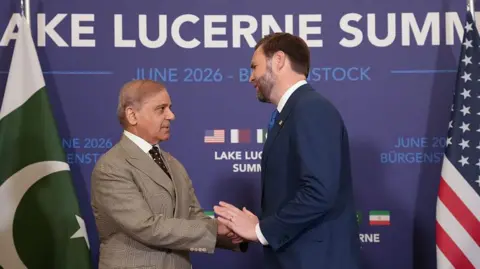
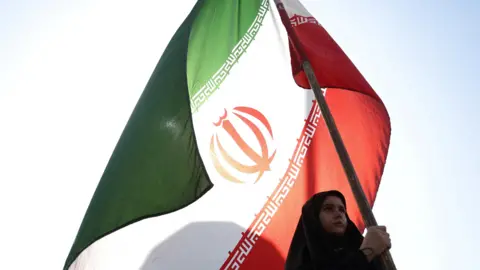
Meanwhile, the Lebanese government and Israeli authorities have opened talks in Washington to strengthen a comprehensive security agreement. Iran voiced concern that violations of the ceasefire could derail the broad diplomatic progress, urging the United States to exert leverage to stop Israeli attacks. The latest fatality underscores how each flare‑up can shift the fragile balance between diplomatic negotiations and ongoing hostility.
“Breaking the ceasefire generates a cascade of hostilities that threatens to undermine the hardest bargains reached elsewhere,” said Iran’s ambassador to the UN. He emphasized that the events in Lebanon affect the entire diplomatic process.