US lifts naval blockade as Iran’s supreme leader says Trump made deal 'out of desperation'
Vicky Wong | 22 minutes ago
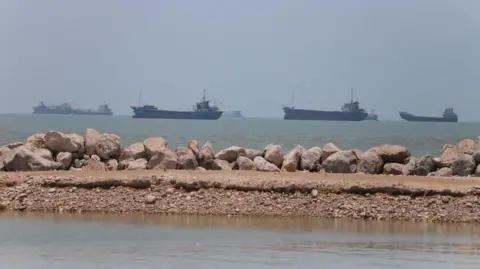
The United States announced that it has ended its naval blockade of Iranian waters following a Memorandum of Understanding that aims to bring an end to the Middle Eastern conflict. The decision comes after the Supreme Leader of Iran, Ali Khamenei, publicly denounced the agreement, calling it a desperate attempt by former President Donald Trump.
US Central Command confirmed on X that the blockade was lifted "in accordance with the President's direction" and that all enforcement measures have ceased.
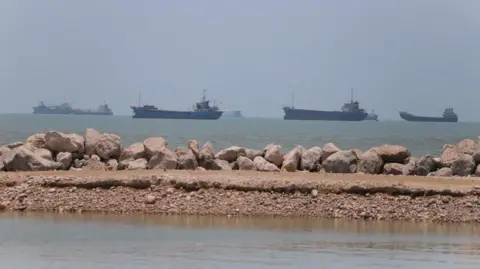
The memorandum sets out an immediate halt to military activity on all fronts, a reopening of the Strait of Hormuz and conditions under which Iran will regain sanctions relief—only once it proves full compliance with its commitments. The most significant of these is the destruction of Iran’s stockpile of enriched uranium and a pledge not to fund proxy groups in the region.
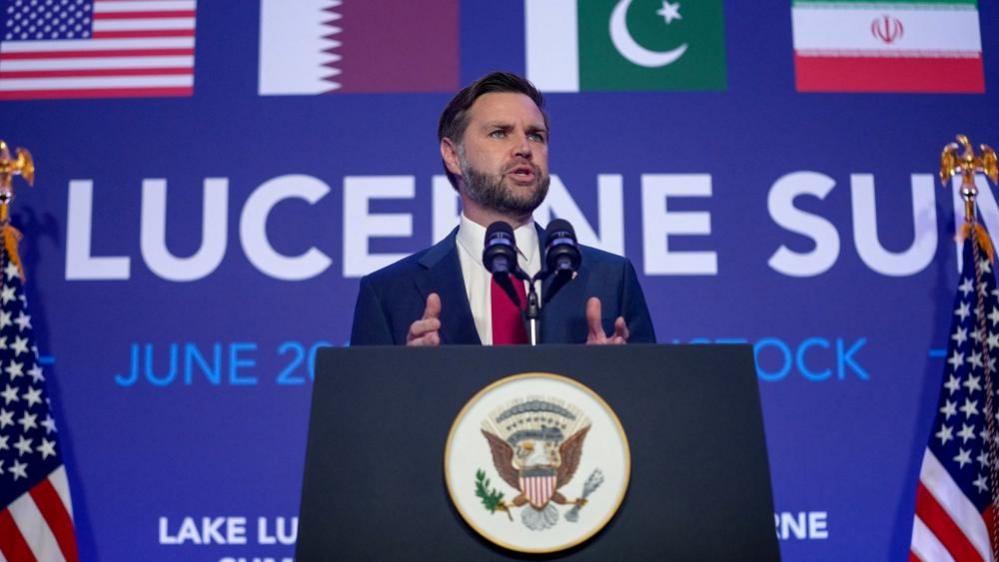
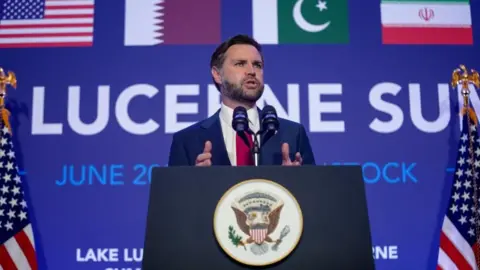
US Vice‑President JD Vance explained at a White House briefing that the deal has become active, commencing a 60‑day period for further negotiations and indicated that he would likely travel to Switzerland for technical talks, though he did not set a date.
The agreement was signed remotely, and a ceremony scheduled in Switzerland was subsequently cancelled. Both US and Iranian representatives are expected to meet there later for follow‑up discussions.
Khamenei, who has not been publicly visible since assuming office following the 2023 attacks on Iran, stated that he initially opposed the deal but ultimately approved it after assurances from Iranian President Masoud Pezeshkian. Nonetheless, he maintains a “different view” and warned that the agreement should not be seen as endorsing enemy positions.
Former President Trump responded via Truth Social, expressing confidence that the ceasefire would take effect on all fronts—including between Israel and Hezbollah in Lebanon—and that Middle Eastern nations would stay committed to facilitating the terms.
Israeli Prime Minister Benjamin Netanyahu emphasized the importance of the US‑Iran accord, stating that Washington has been "shouder to shoulder" Israel during the recent war. Netanyahu’s remarks come after some members of his cabinet criticized the deal.
US‑Iran deal focuses on 14 core points, including no new nuclear weapons for Iran, a $300 bn reconstruction fund and the reopening of strategic shipping lanes.
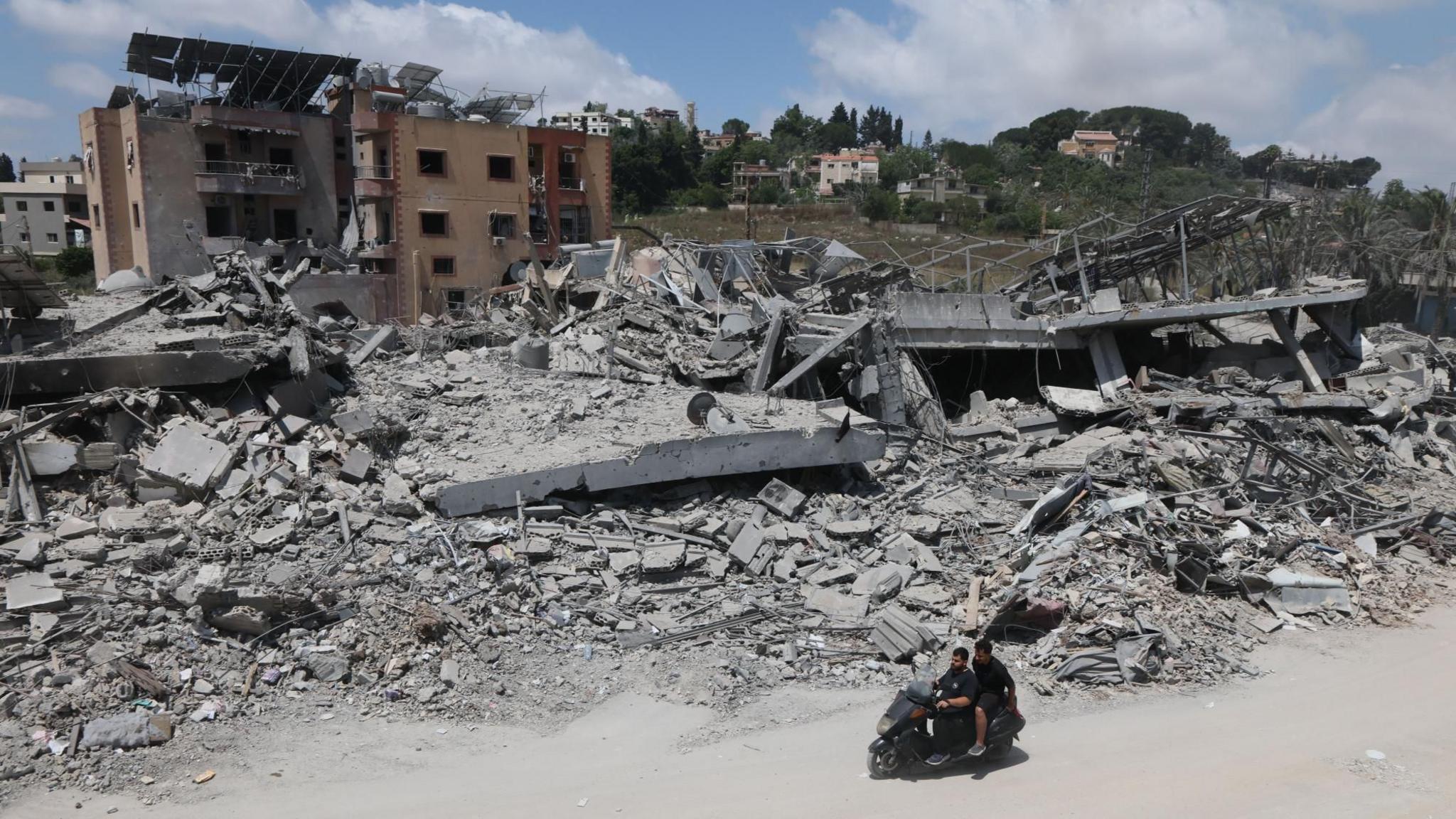
Despite the agreement’s objectives, skirmishes between Israel and Hezbollah have continued, with recent clashes in Lebanon resulting in casualties. Israel argues these confrontations are separate from the broader Iran war while Hezbollah has rejected the deal’s terms.