International A.I.E. chief confirms inspectors will enter Iran to supervise dilution of enriched uranium.
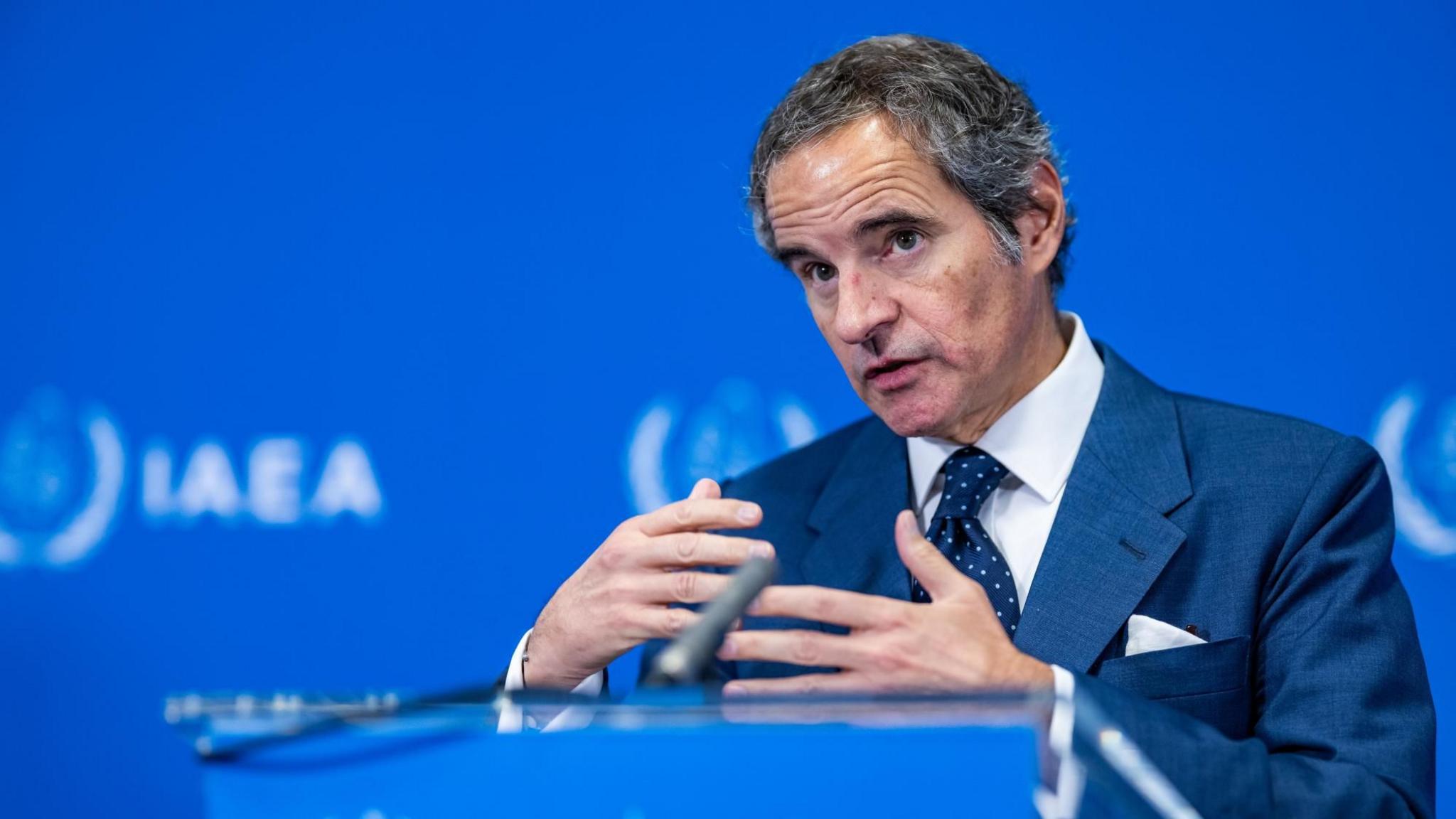
Rafael Grossi, director‑general of the International Atomic Energy Agency (IAEA), told reporters in Japan that inspectors would indeed travel to Iran, working out dates, procedures and locations “very soon”. His statements follow a 14‑point memorandum signed between the United States and Iran last week that calls for the dilution of Iran’s highly‑enriched uranium under IAEA supervision.
The Iranian side, however, remains cautious. Deputy Foreign Minister Kazem Gharibabadi said that access to the damaged nuclear sites and the nuclear material would be considered only once a final, comprehensive treaty is reached and sanctions are lifted. He cautioned that media reports on access should not be taken as established facts.
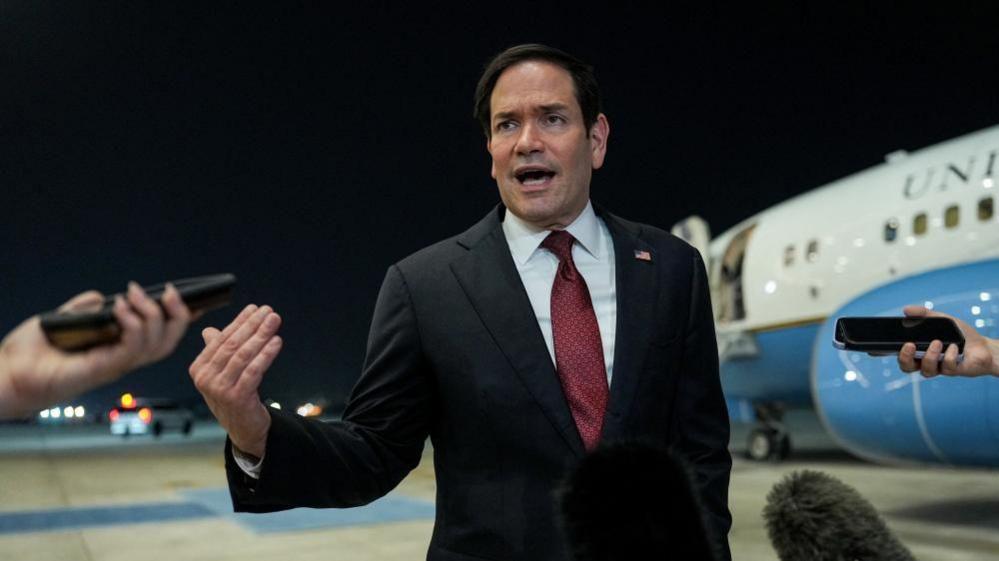
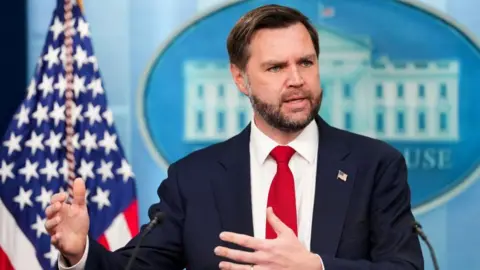
The U.S. diplomatic side is gearing up to secure a deal that respects the security of Gulf allies. Secretary of State Marco Rubio met President Mohammed bin Zayed Al Nahyan, travelled to Kuwait and Bahrain, and urged that no agreement should undermine U.S. partners in the region. In Kuwait City he emphasised that the U.S. would remain aligned with Gulf states and that a credible deal with Iran would be pursued, or alternative options would be prepared.
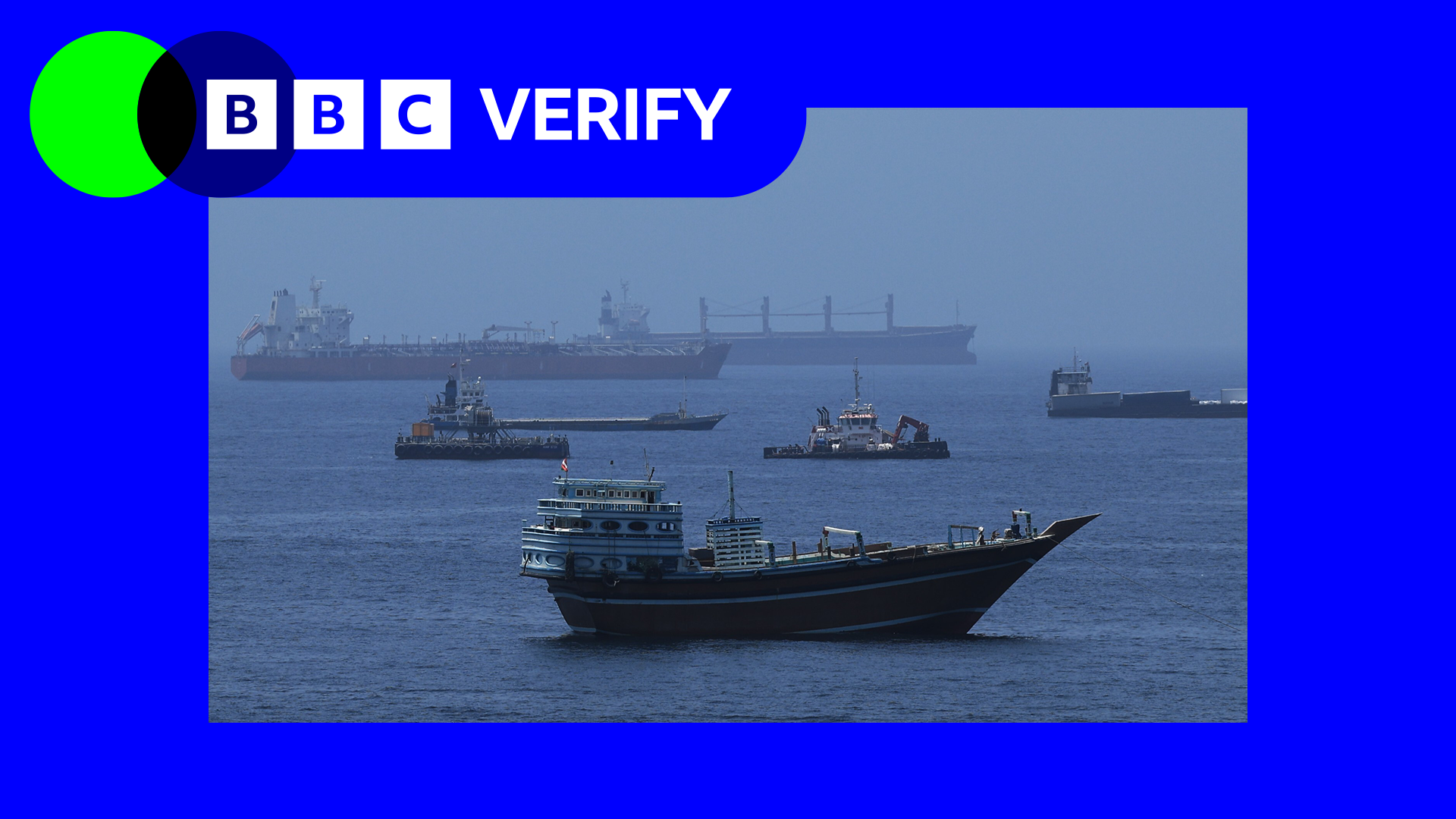
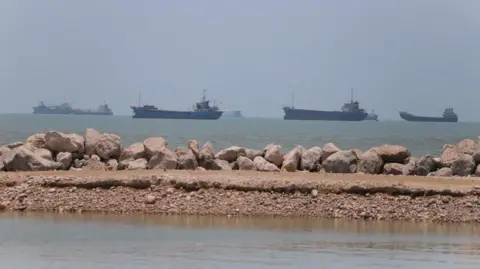
A key component of the U.S‑Iran agreement is a mutual recognition of shipping rights through the Strait of Hormuz and the removal of U.S. naval blockades on Iranian ports. The latest deal coincided with Brent crude falling below $75 for the first time since the 2026 war began, showing the economic impact of the negotiations.
Investor and naval analysts note that while the IAEA can currently visit Tehran’s Bushehr plant, it still has not accessed the heavily damaged facilities bombed in June 2025. This limits the agency’s ability to verify the current status of Iran’s nuclear stockpile, which is largely believed to be in underground tunnels at the Isfahan site.
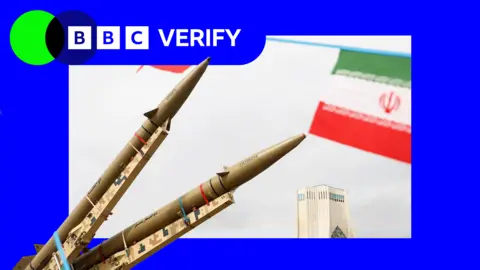
Under Iran’s 2015 nuclear deal, the country agreed to limit enrichment under constant IAEA oversight in return for sanctions relief. That agreement was abandoned by President Trump in 2018 and re‑imposed by successive administrations, prompting Iran to breach certain limits in uranium enrichment.
The new memorandum, however, signals a possible reset. If inspectors complete the dilution process and both sides honour the terms, it could pave the way for a comprehensive, final settlement by the end of the month, thereby reshaping the regional security landscape.