
In brief
IAEA chief Rafael Grossi confirmed that inspectors will enter Iranian sites under the preliminary US‑Iran peace pact, agreeing on dates, procedures and sites. The deal also provisions the dilution of Iran’s highly enriched uranium under IAEA supervision. Meanwhile, US Secretary of State Marco Rubio is touring Gulf states, and shipping through the Strait of Hormuz has resumed, which has helped bring Brent crude prices below $75 a barrel for the first time since the June war. Diplomatic jockeying remains: Iran’s deputy foreign minister insists access to damaged nuclear facilities will only come after a final US agreement, while the United Nations reports skim through the strait to aid sailors stranded by the conflict. The announcement precedes a final agreement slated within 60 days, which will determine the withdrawal of stockpiled enriched material and the re‑lifting of sanctions. The IAEA’s recent visit to Bushehr was a test run, as full access to bombed facilities remains denied, leaving questions about the true size and status of Iran’s uranium stockpile. This move aims to rebuild trust after the 2018 US withdrawal, the 2025 war, and the ongoing strategy of sanctions‑driven negotiations.
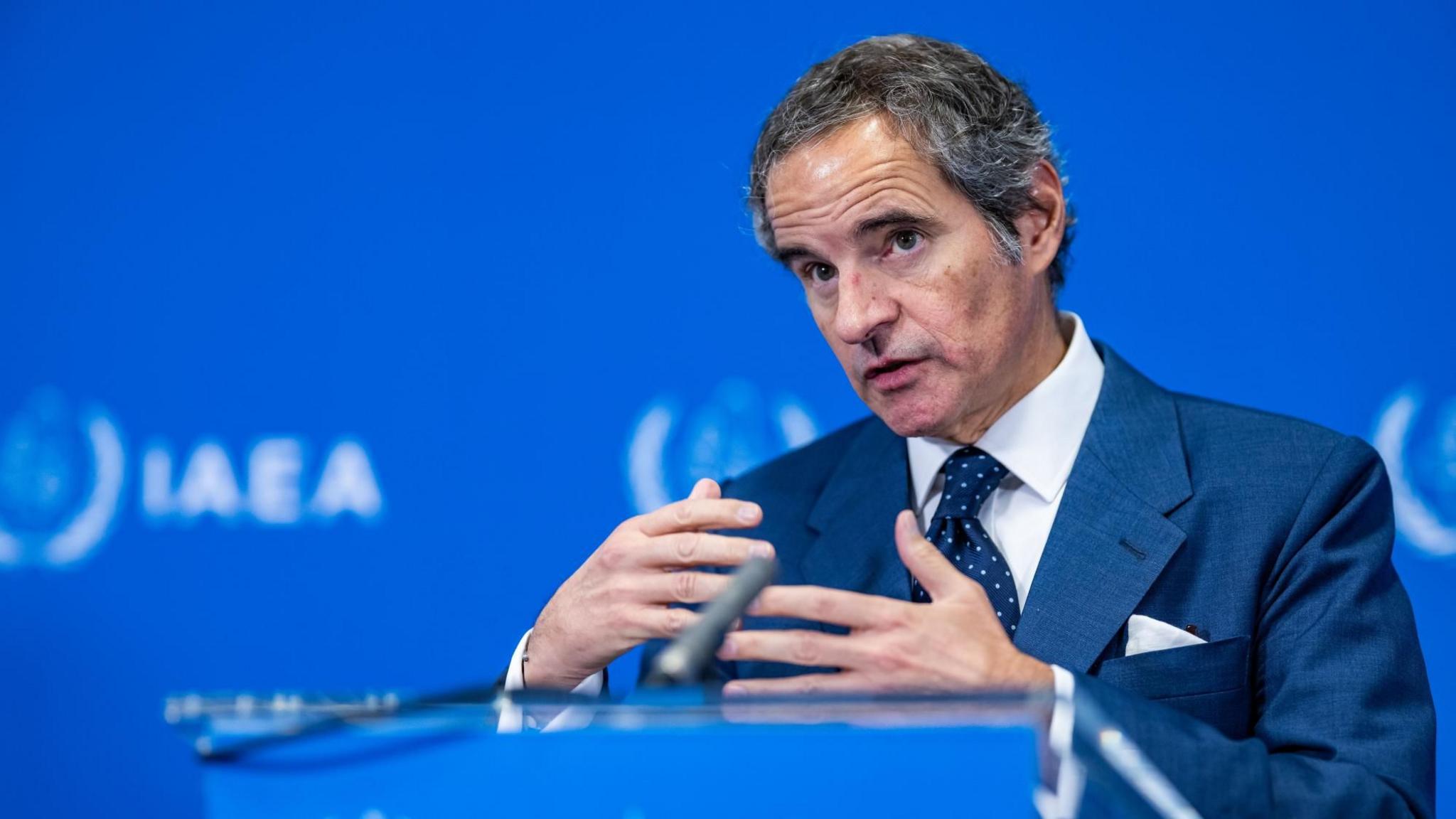
Rafael Grossi, Director General of the International Atomic Energy Agency (IAEA), confirmed that inspectors will soon enter Iranian sites as part of the preliminary peace agreement signed last week with the United States.
The IAEA said it will soon set dates, procedures and locations for the inspections. The deal explicitly states that the dilution of Iran’s highly enriched uranium will be supervised by the IAEA.
While U.S. Vice‑President JD Vance said Iran had agreed to invite inspectors back, Iran’s deputy foreign minister warned that access to bombed facilities would be addressed only within a final U.S. agreement. The U.N. has reported a limited number of ships passing through the Strait of Hormuz under a temporary evacuation plan for sailors stranded by the war.
At the same time, U.S. Secretary of State Marco Rubio has been touring Gulf nations, meeting UAE President Mohamed bin Zayed and planning visits to Kuwait and Bahrain. His trip underscores the importance of easing tensions and restoring free shipping in the region.
Recent market reactions have seen Brent crude oil fall below $75 a barrel for the first time since the June 2025 war, a sign that the preliminary deal may have a calming effect on global energy markets.
The IAEA’s last visit to Iran’s Bushehr nuclear plant was a stepping stone, but inspectors still lack access to the damaged facilities that were bombed during the war. Consequently, the agency is unable to provide details on the size or whereabouts of Iran’s stockpile.
Under the 2015 JCPOA, Iran agreed to limit nuclear activities and allow continuous IAEA monitoring in exchange for sanctions relief. The U.S. withdrew from the agreement in 2018, leading to an escalation that culminated in the recent conflict.
The U.S.-Iran memorandum of understanding still calls for a final deal within 60 days, outlining the mutual acceptance of a mechanism for down‑blending on site under IAEA supervision. This agreement will reshape the nuclear landscape in the Middle East and potentially relax economic embargoes imposed on Iran.
