Iran‑US MoU: Weapons, Money, Ships and What’s New
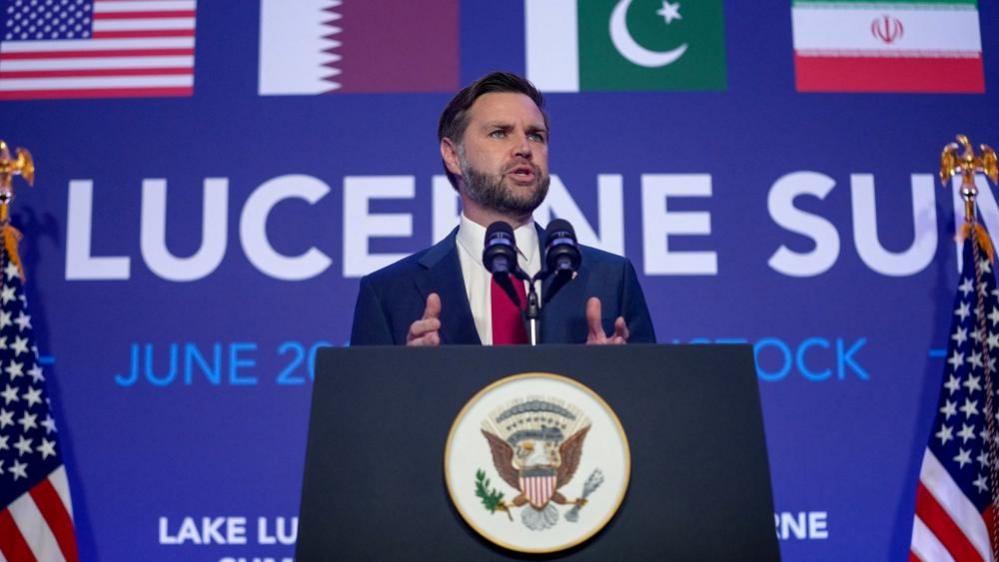
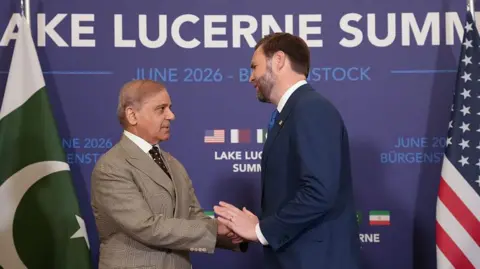
On 18 June 2026 President Donald Trump formally signed a 14‑point Memorandum of Understanding (MoU) with Iran to end the conflict that began on 28 February. The agreement is a framework for 60‑day talks that is meant to set the stage for a new nuclear deal while also addressing economic and maritime issues.
Weapons
The MoU acknowledges that Iran will not procure or develop nuclear weapons but does not give detailed enforcement mechanisms. It repeats wording used in the 2015 Joint Comprehensive Plan of Action (JCPOA) – “Iran reaffirms that under no circumstances will it ever seek, develop or acquire nuclear weapons.” Outlines about the disposition of Iran’s stockpile of enriched uranium are limited to future negotiations; no mention of destruction of the 440 kg of 60% enriched material that the U.S. says existed at the war’s start.
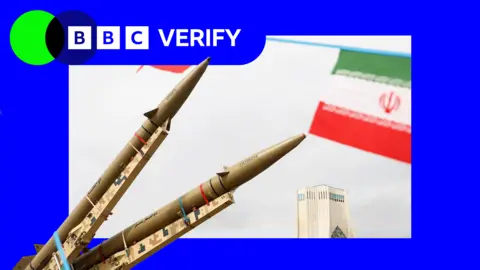
Trump also highlighted that the U.S. is destroying Iranian missile capabilities, a point the MoU does not address. There is no provision concerning Iran’s ballistic‑missile programme, despite past complaints that the JCPOA failed to tackle that issue.
Money
Under the JCPOA, Iran gained sanctions relief and access to central‑bank assets worth roughly $50 bn in usable value. The new MoU says the U.S. will terminate all sanctions under an agreed‑upon schedule and immediately grant waivers for exporting Iranian crude, petroleum products, and related services. No conditions are attached, effectively allowing Iran to strengthen its economy faster than at the war’s outset.
The document also cites a potential $300 bn US‑led reconstruction and development plan for Iran, funded in collaboration with regional partners.
Ships
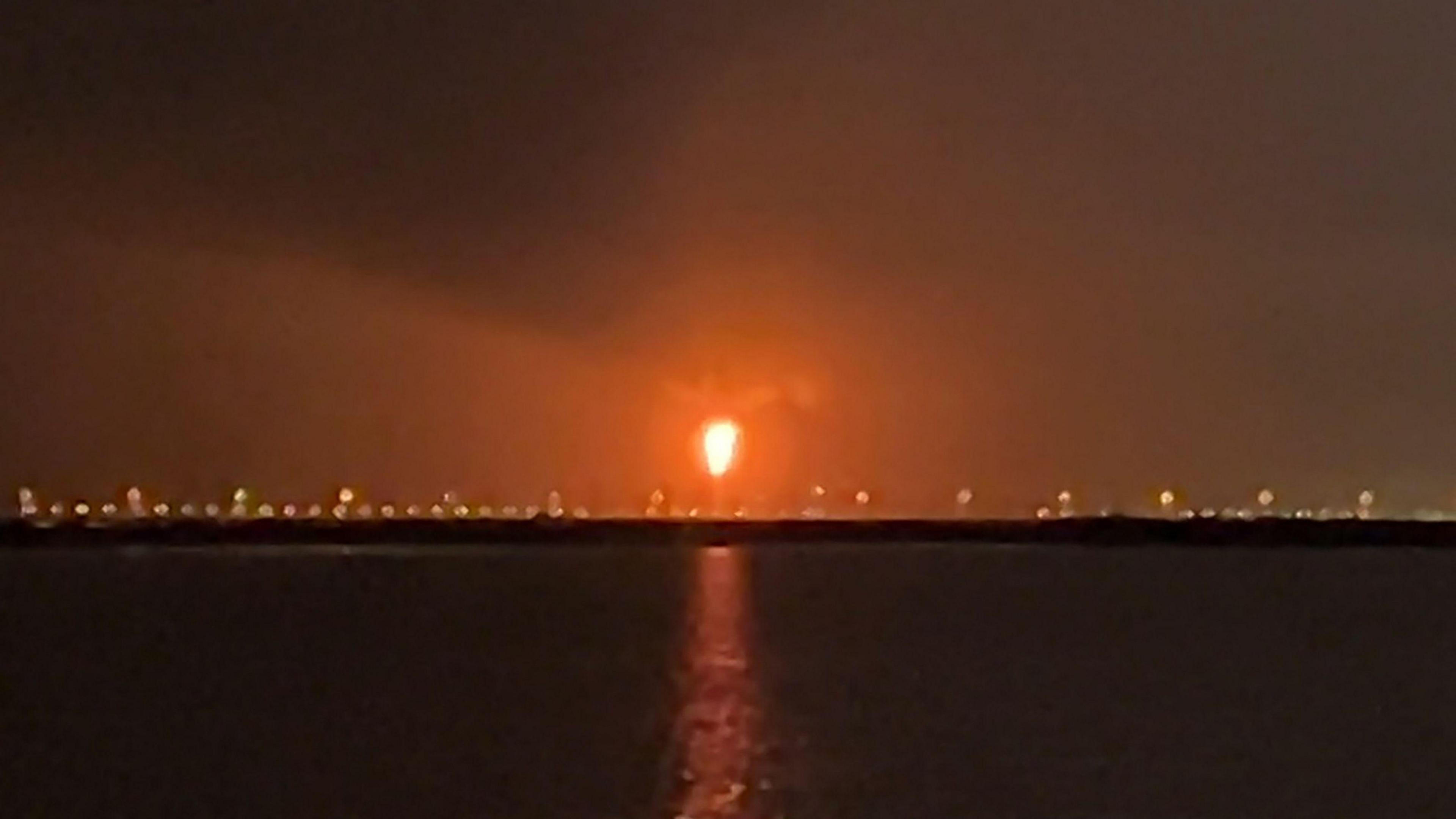
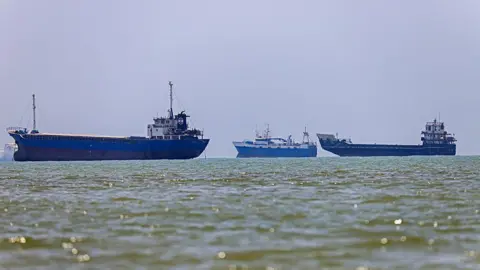
The Strait of Hormuz, a vital shipping lane for oil, natural gas and fertiliser, was not mentioned in the JCPOA. Since the war began, merchant traffic dropped from an average of 94 vessels per day in 2025 to just six per day, due to Iranian attacks on vessels and an US naval blockade. The MoU says the U.S. will lift its blockade within 30 days and that Iran will ensure safe passage for commercial vessels for a 60‑day window. After that period, Iran will set up dialogue with Oman to define maritime rules and announced a Persian Gulf Strait Authority, which will charge fees for shipping through the waterway – a move that does not appear in the MoU but could enhance Iran’s economic leverage.
BBC