Ethiopia’s Vote Landslide Sparks Regional Conflict Concerns
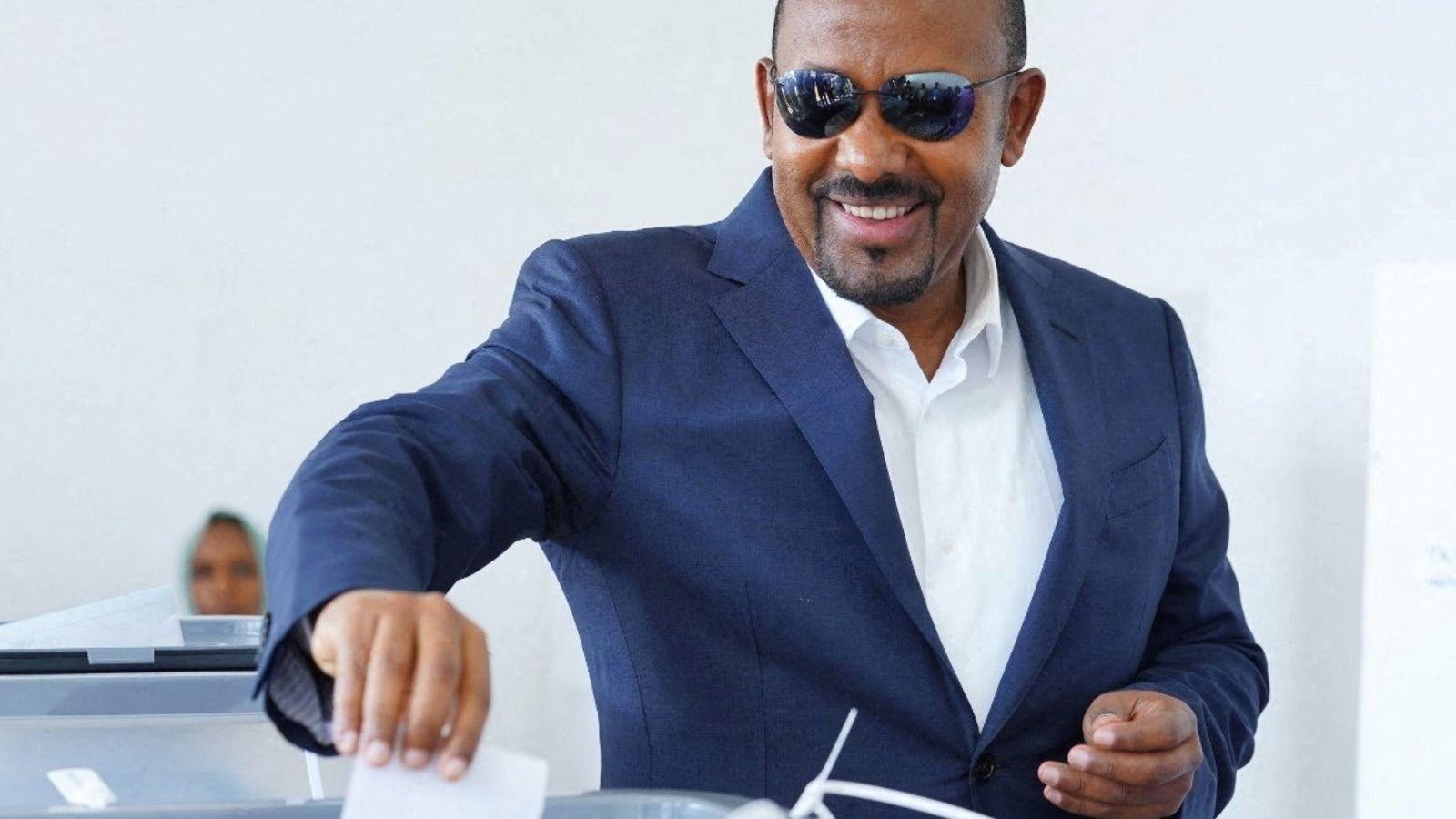
Ethiopian voters went to the polls on 1 June with a sky‑high level of uncertainty. Prime Minister Abiy Ahmed’s Prosperity Party secured an impressive 438 of 501 contested seats, cementing his hold on power for a second term expected in October.
The triumph, however, came against a backdrop of alarming security incidents. In the Amhara and Oromia regions, armed militias – notably the Fano and the outlawed Oromo Liberation Army – shut down 143 polling stations, citing threats from government forces. The Tigray region, still scarred by a two‑year civil war that ended in 2022, was completely excluded from the vote, as fears of renewed hostilities prevented election officials from operating there.
The tension between Addis Ababa and the Tigrayan People's Liberation Front (TPLF) has intensified. Both sides accuse each other of breaching the 2022 peace agreement, with the TPLF accused of re‑establishing pre‑war structures and recruiting young men for its forces. An international observer from the U.N. estimated that the conflict killed around 600,000 people and pushed the region toward famine.
Eritrea, Ethiopia’s former neighbor, has shifted its position. While Addis Ababa’s government previously denied it, recent reports suggest that Eritrea and Tigrayan forces might align if another war erupts, potentially dragging the entire Horn of Africa into a wider regional conflict.
The U.S. and the European Union have taken precautionary steps. The U.S. announced visa restrictions on individuals linked to undermining peace in Tigray, while the EU called for “immediate de‑escalation” in the north. Security analysts note that while a full‑scale war is unlikely in the near term, the undercurrent of tension remains a “dangerous scenario” that could be the spark for renewed conflict.
Abiy’s government, praised for ending the Eritrean border war and winning a Nobel Peace Prize in 2021, now faces skepticism. Critics argue that his consolidation of power may undermine genuine reconciliation, especially if he appears to side with Eritrea against Tigrayan forces. The outcome of Ethiopia’s next months will be pivotal in determining whether the country can move past its recent bloodshed or slide into a new cycle of violence.

Image credit: Reuters