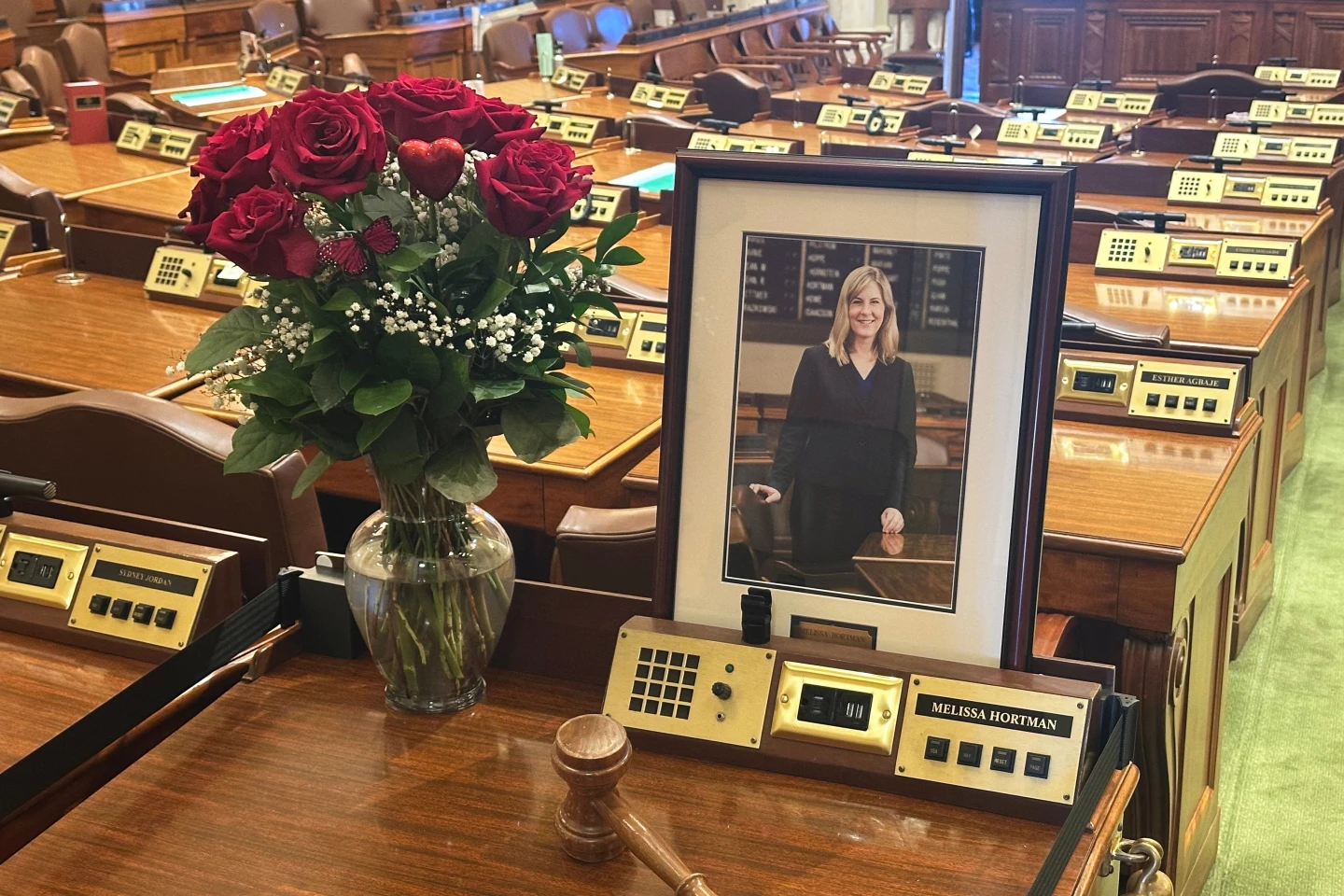
ST. PAUL, Minn. (AP) — Nearly a year after the assassination of a Minnesota legislative leader, lawmakers across the U.S. have worked to fortify security in state capitols and improve safeguards when officials are in their communities. The changes have followed a rise in political violence nationwide, including the stunning assassination last June of Rep. Melissa Hortman, the top Democratic leader in the Minnesota House, and the September killing of conservative activist Charlie Kirk, who was speaking at a college in Utah.
In Minnesota, most doors at the state Capitol are now locked, and people entering must go through weapons detectors. Visitors to the gallery to watch floor debates must go through a second set of detectors. It’s important for us to be able to not have our government fall apart if our legislators are under threat, said Minnesota Rep. Julie Green, observing the emotional weight of this complex issue.
High-profile attacks have stoked lawmakers’ fears
In addition to the killings of Hortman and Kirk, violence targeting political figures in the U.S. in recent years has included an arson attack at the home of Democratic Pennsylvania Gov. Josh Shapiro; an assassination attempt on then-candidate Donald Trump at a Pennsylvania rally in 2024; and a hammer attack on Nancy Pelosi's husband at their California home in 2022. Twenty-five states, including Minnesota, now formally allow candidates to use campaign funds for personal security, with Alabama, Oregon, Nebraska, and Utah enacting relevant laws this year.
It's not just happening at the state level. Security spending for congressional and presidential campaigns has jumped fivefold over the past decade. Federal political committees spent more than $40 million on expenses labeled as security during the 2023-24 campaign cycle, according to a report from the Public Service Alliance.
Weapons detectors are just one response
Metal detectors became visible guardians of safety in Alaska’s Capitol last year due to concerns about the risks of violence. Democratic Rep. Sara Hannan cited heightened concerns about violence in public institutions. While some states have adopted strict security measures, Wisconsin's Assembly Speaker, Robin Vos, resisted installing metal detectors, expressing hesitance to fortify access to the Capitol. Lawmakers in Minnesota are also discussing the establishment of a special unit within the State Patrol tasked with protecting legislators, top officials, and Supreme Court justices.
Democratic Sen. John Hoffman, a survivor of being shot during the same incident that claimed Hortman’s life, is advocating for enhanced measures to ensure lawmakers' safety in response to increasing violent threats.
Numerous states have also taken action to protect lawmakers’ personal information, with North Dakota recently discussing measures to make home addresses of candidates and public officials confidential upon request. In February, the NCSL created a $1.5 million fund to reimburse legislatures for expenses related to lawmakers’ personal security away from their statehouses. More than 30 states have applied for this funding, highlighting an urgent movement toward safeguarding political representatives in light of escalating violence and threats.
In Minnesota, most doors at the state Capitol are now locked, and people entering must go through weapons detectors. Visitors to the gallery to watch floor debates must go through a second set of detectors. It’s important for us to be able to not have our government fall apart if our legislators are under threat, said Minnesota Rep. Julie Green, observing the emotional weight of this complex issue.
High-profile attacks have stoked lawmakers’ fears
In addition to the killings of Hortman and Kirk, violence targeting political figures in the U.S. in recent years has included an arson attack at the home of Democratic Pennsylvania Gov. Josh Shapiro; an assassination attempt on then-candidate Donald Trump at a Pennsylvania rally in 2024; and a hammer attack on Nancy Pelosi's husband at their California home in 2022. Twenty-five states, including Minnesota, now formally allow candidates to use campaign funds for personal security, with Alabama, Oregon, Nebraska, and Utah enacting relevant laws this year.
It's not just happening at the state level. Security spending for congressional and presidential campaigns has jumped fivefold over the past decade. Federal political committees spent more than $40 million on expenses labeled as security during the 2023-24 campaign cycle, according to a report from the Public Service Alliance.
Weapons detectors are just one response
Metal detectors became visible guardians of safety in Alaska’s Capitol last year due to concerns about the risks of violence. Democratic Rep. Sara Hannan cited heightened concerns about violence in public institutions. While some states have adopted strict security measures, Wisconsin's Assembly Speaker, Robin Vos, resisted installing metal detectors, expressing hesitance to fortify access to the Capitol. Lawmakers in Minnesota are also discussing the establishment of a special unit within the State Patrol tasked with protecting legislators, top officials, and Supreme Court justices.
Democratic Sen. John Hoffman, a survivor of being shot during the same incident that claimed Hortman’s life, is advocating for enhanced measures to ensure lawmakers' safety in response to increasing violent threats.
Numerous states have also taken action to protect lawmakers’ personal information, with North Dakota recently discussing measures to make home addresses of candidates and public officials confidential upon request. In February, the NCSL created a $1.5 million fund to reimburse legislatures for expenses related to lawmakers’ personal security away from their statehouses. More than 30 states have applied for this funding, highlighting an urgent movement toward safeguarding political representatives in light of escalating violence and threats.