Israel and Lebanon Agree to 10-Day Ceasefire Amid Ongoing Conflict
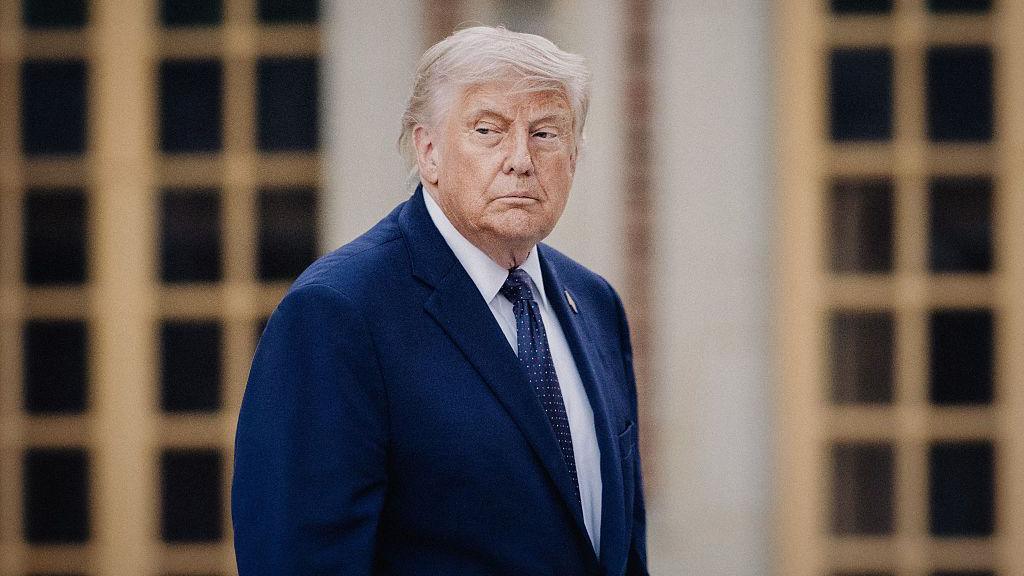
In a significant development to the ongoing hostilities, Israel and Lebanon have reached a tentative agreement for a 10-day ceasefire, enabling potential peace negotiations. U.S. President Donald Trump announced that the ceasefire is set to start at 17:00 EST (21:00 GMT; midnight local time).
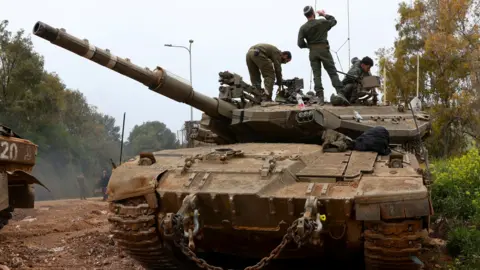
Israeli Prime Minister Benjamin Netanyahu confirmed Israel's participation but stressed that Israeli troops will maintain a 10km-deep security zone in southern Lebanon, underlining, “We are there, and we are not leaving.” On the other hand, Hezbollah has stated that they are prepared to participate, but insist on a comprehensive halt to attacks across Lebanon and restrictions on Israeli troop movements.
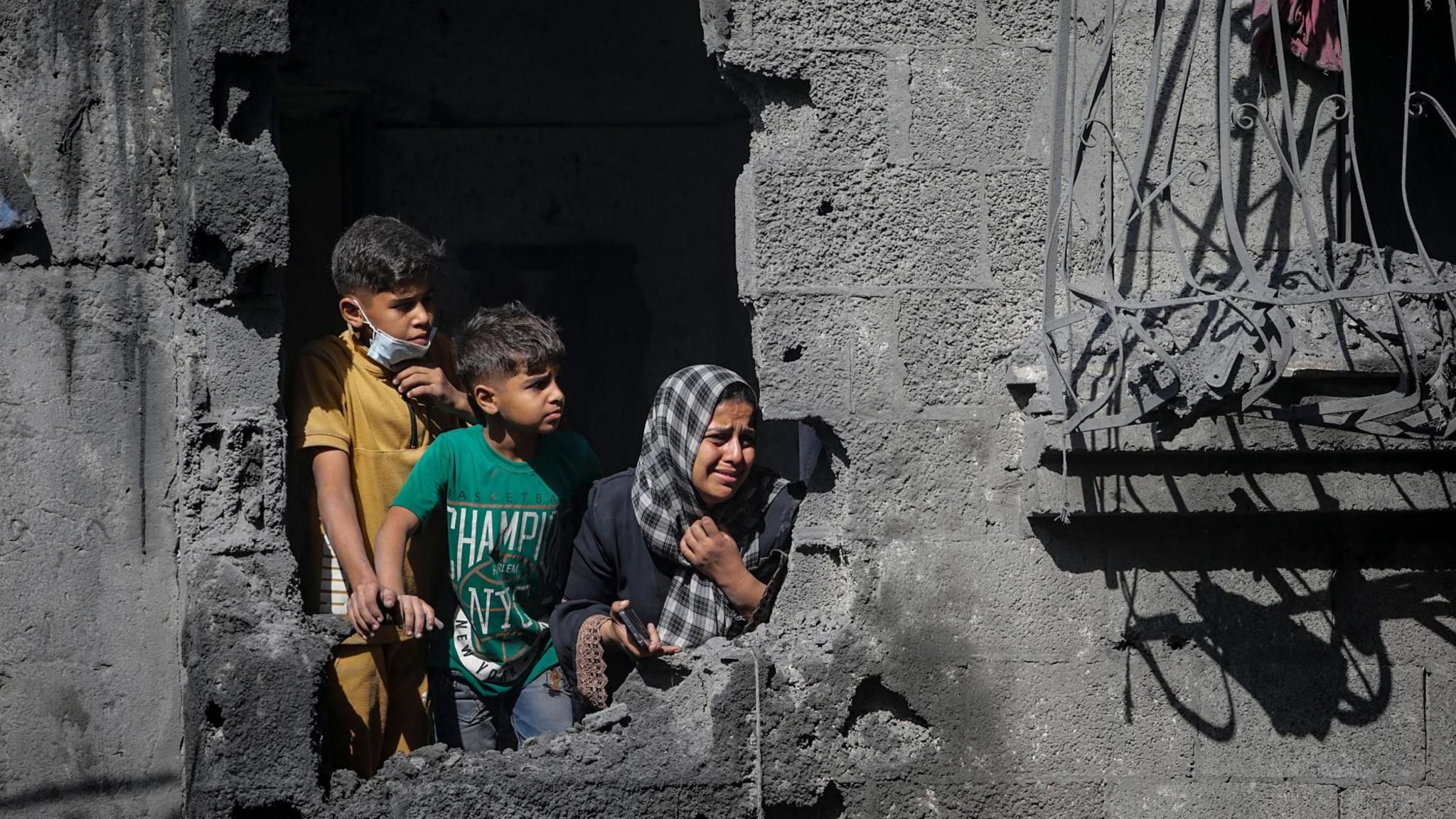
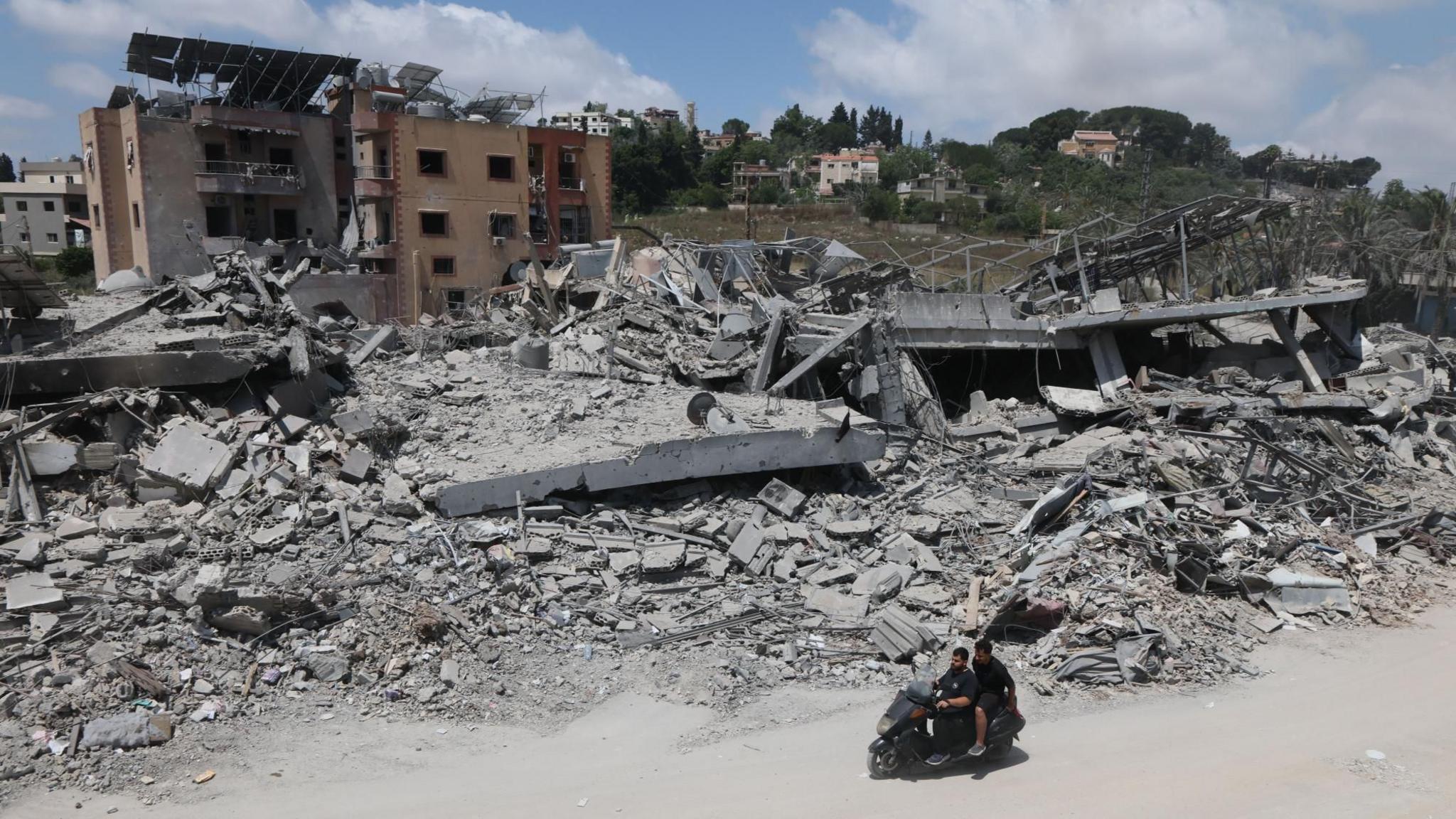
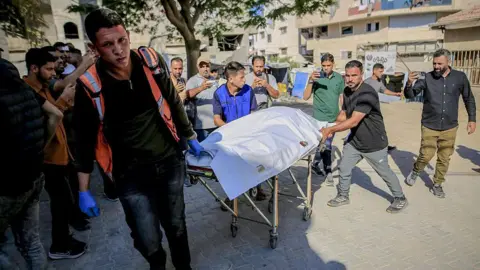
The recent warfare began on March 2, following an attack by the U.S. and Israel on Iran, prompting Hezbollah to retaliate by launching rockets into northern Israel. This conflict escalated after the assassination of Iran's Supreme Leader, Ayatollah Ali Khamenei, by Iranian forces. To date, more than 2,000 people have died in Lebanon from the war, and over a million have been displaced.
Direct talks between Israel and Lebanon took place in Washington this week in an effort to ease the conflict, which has involved deadly airstrikes in Beirut. The ceasefire may pave the way for further discussions, but critical issues such as Hezbollah's armament remain unresolved.
The U.S. State Department emphasized Lebanon's commitment to preventing any attacks from Hezbollah while noting that the situation requires further negotiations. Netanyahu described the ceasefire as a rare opportunity to pursue a historic peace agreement, although it will not create an environment for immediate disarmament of Hezbollah.
In summary, while the ceasefire may pause immediate hostilities, the long-term resolution surrounding Hezbollah's actions is yet to be determined. The coming days will be crucial for both nations as they navigate peace talks after decades of conflict.