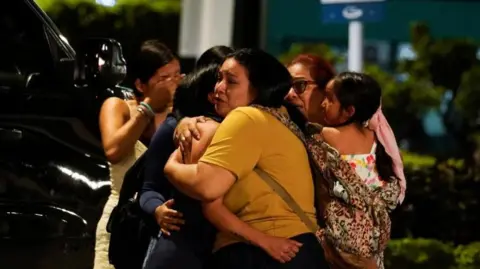
"My brother was murdered for not paying an extortion payment…in front of his children," recounted Edilma Martinez Flores at a Bogotá support centre. Her testimony, amid constant threats from armed criminal groups, illustrates the everyday cost of the country’s escalating conflict.
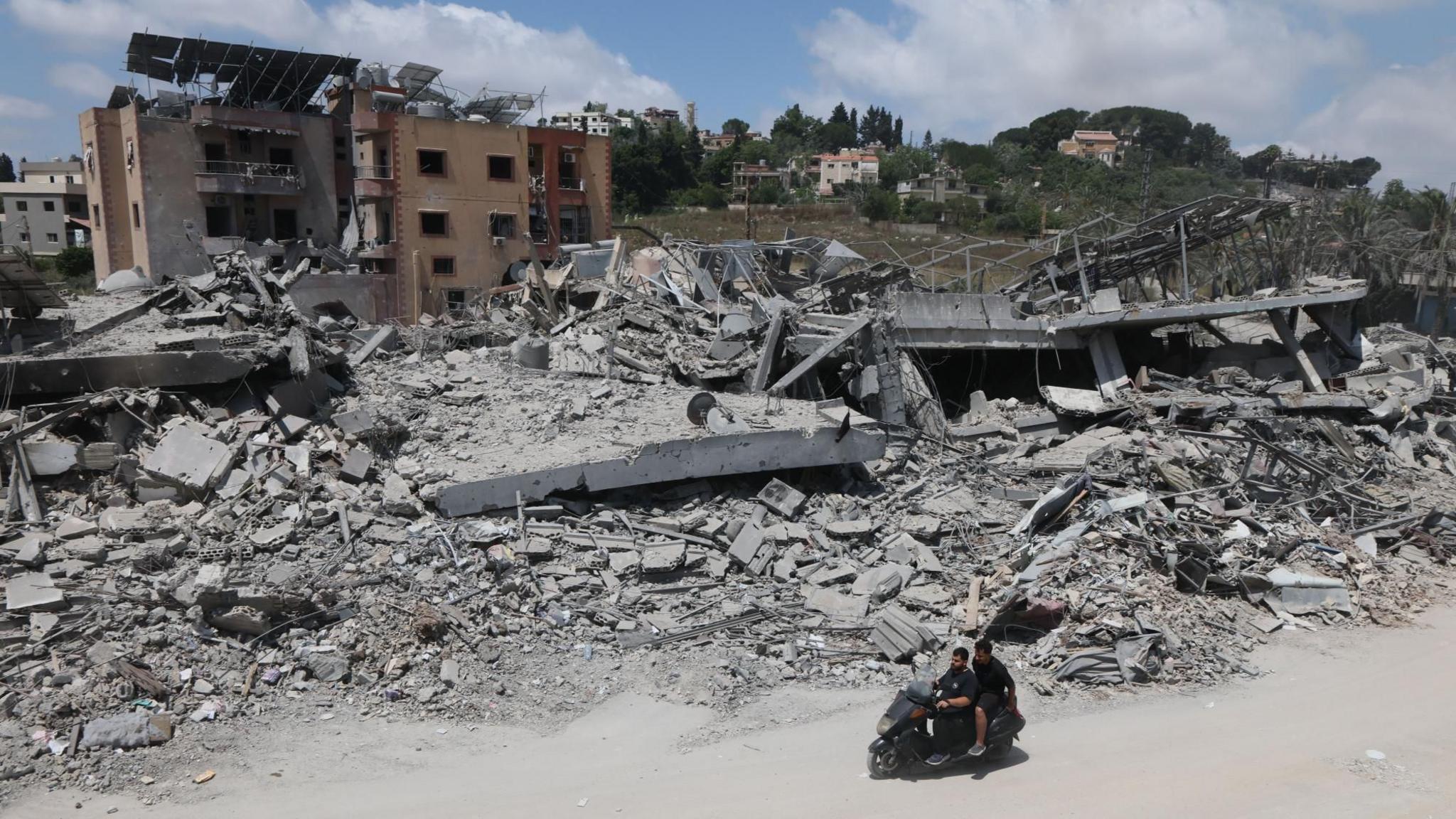
Colombia’s six‑decade‑long struggle among state forces, guerrilla groups, drug cartels and other militias has killed hundreds of thousands. Over the last five years, illegal armed factions such as FARC dissidents, the National Liberation Army (ELN) and the Clan del Golfo have doubled their ranks, taking control of rural zones critical for illicit drug and mineral production.
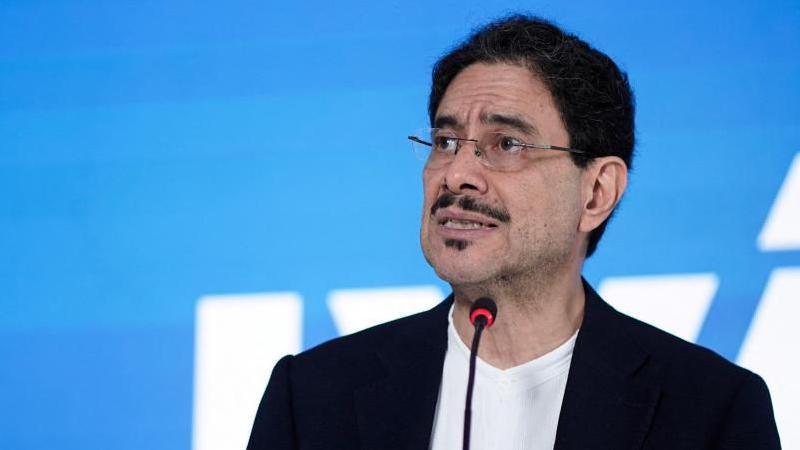
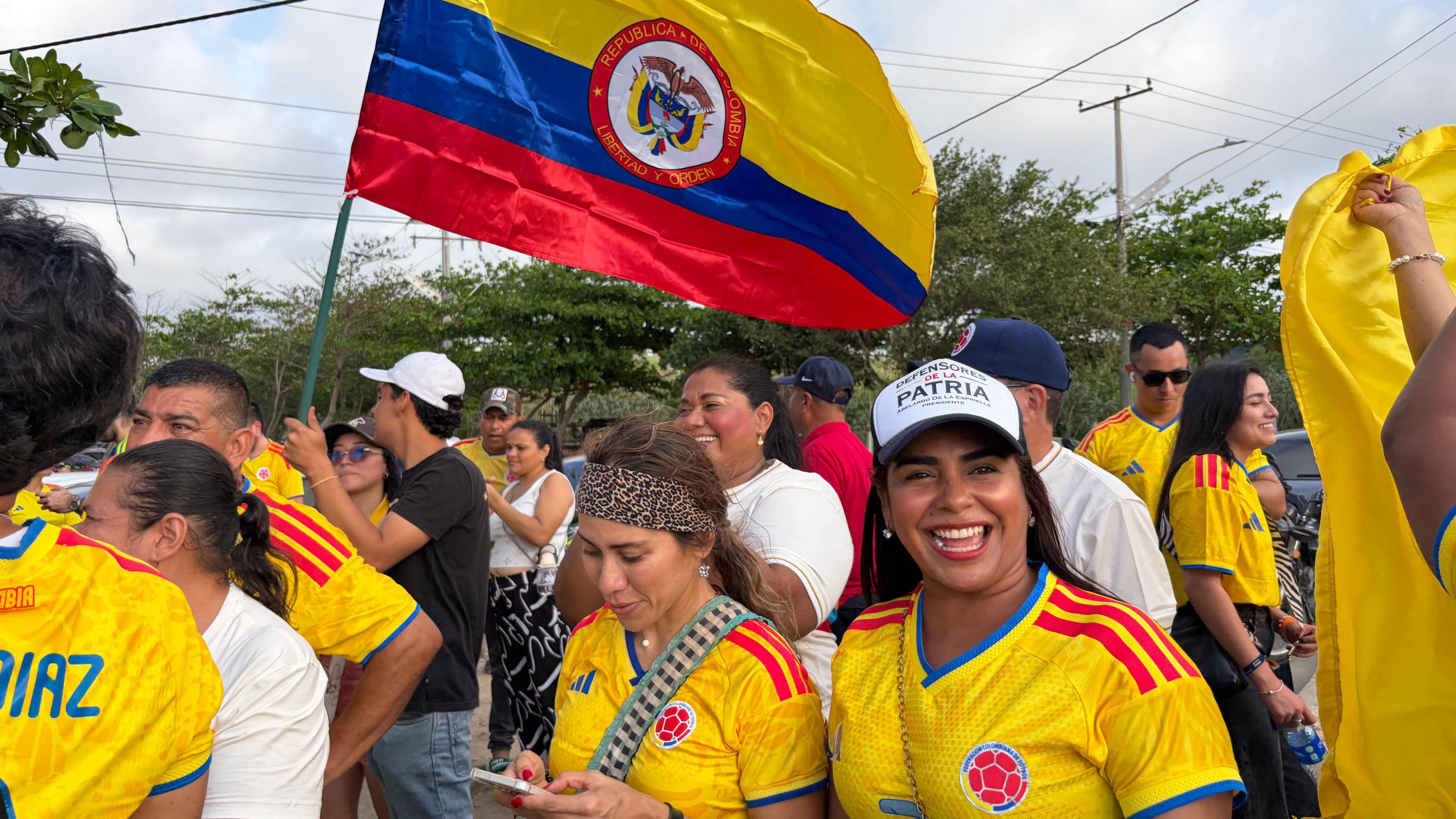
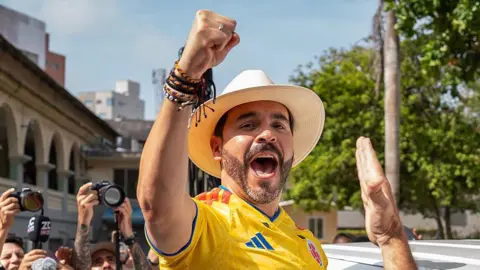
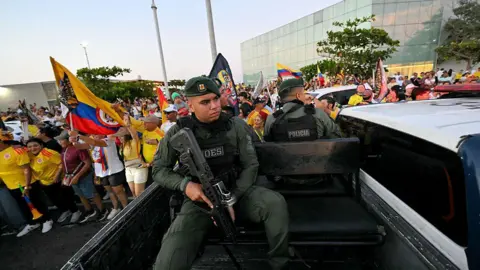
Against this backdrop, the presidential race offers two sharply divergent security strategies. Abelardo de la Espriella, a businessman endorsed by former U.S. President Donald Trump, plans to build ten mega‑prisons, crack down militarily on gangs and halt negotiations with armed groups, claiming he has the "balls to take them on." Senator Iván Cepeda, a left‑wing figure linked to President Gustavo Petro’s peace process, argues for sustained talks and a mixed approach that couples repression with social programmes to address poverty and inequality.
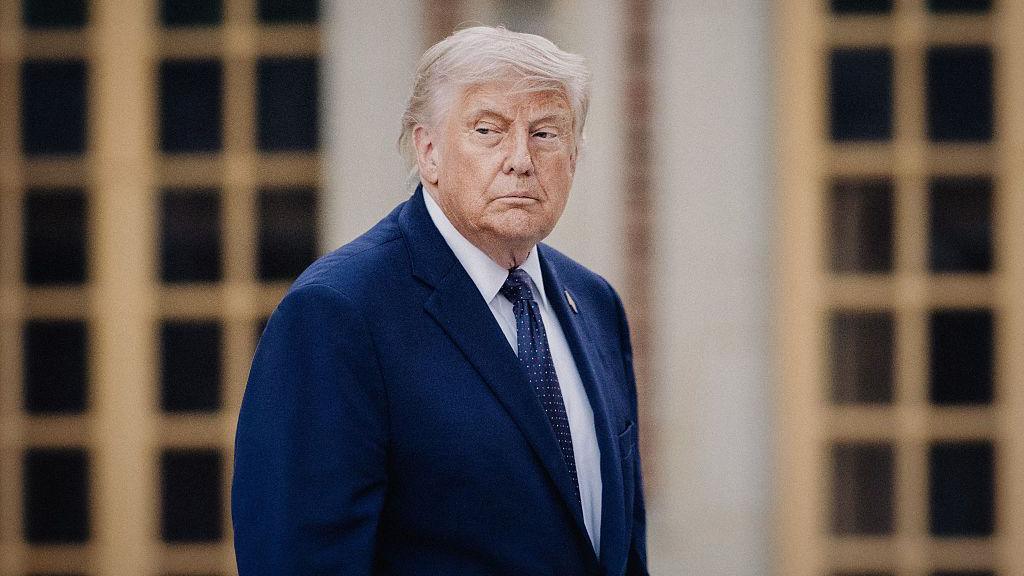
Trump’s endorsement of de la Espriella ignited accusations of foreign interference and underscored the U.S.’s new stance toward criminal groups in Latin America. He warned that a victory for Cepeda would be a "radical left Marxist" approach that would lower protection for U.S. interests, while praising de la Espriella as the only viable partner for continued American support.
For voters, the choice carries profound personal implications. As displacement rose 300% between 2024‑2025 and without a strong state presence, families have endured kidnappings, extortions, and bombings, forcing them to leave homes. Youth, represented by activists such as Catalina La Grande, favour Cepeda’s social‑security blend, whereas many traditional supporters rally behind de la Espriella’s promise of hard‑line action and a return to order. The election will therefore decide whether Colombia continues on a diplomatic path toward peace or adopts a more militaristic stance to regain sovereignty over its territories and safeguard its citizens.