Iván Cepeda Concedes: Colombia’s Run‑Off Sale to New Presidency
Colombian Chief Economist Professor Iván Cepeda, who campaigned on a platform of economic reform and social equity, announced Wednesday that he accepts the results of the final runoff election in which right‑wing businessman and oil magnate Abelardo de la Espriella edged him out by 0.96 percentage points.
The preliminary tally, released minutes after voting closed, revealed an extraordinarily close contest—the narrowest but still decisive lead in Colombian presidential history. Cepeda had previously indicated that he would wait for the legally binding final count, but the gap was too tight for a protracted delay.
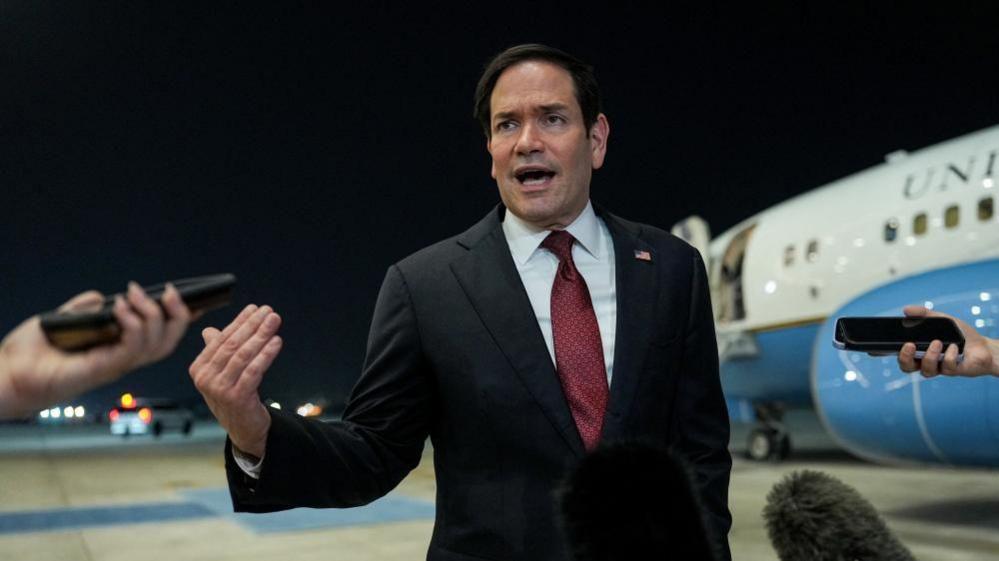
In his acceptance speech, Cepeda denounced President Donald Trump’s public endorsement of de la Espriella, calling it “open and undue foreign interference.” Trump had already praised the business‑magnate during the first round and dubbed Cepeda a “radical left Marxist.”
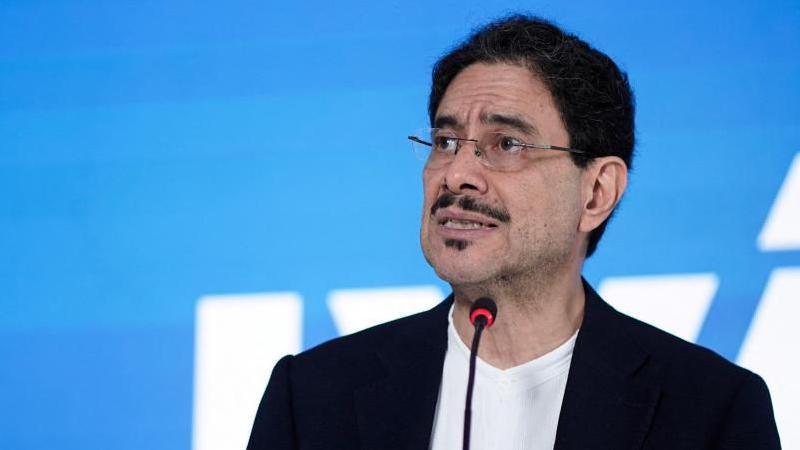
Speaking to the press from a podium in Bogotá, Cepeda said his concession was an act of democratic responsibility aimed at “contributing to co‑existence, to peace, and to dialogue among Colombians.” He added that, as the second‑placed candidate, he would take a seat in the Senate and exercise “a democratic, vigilant and constructive opposition.”
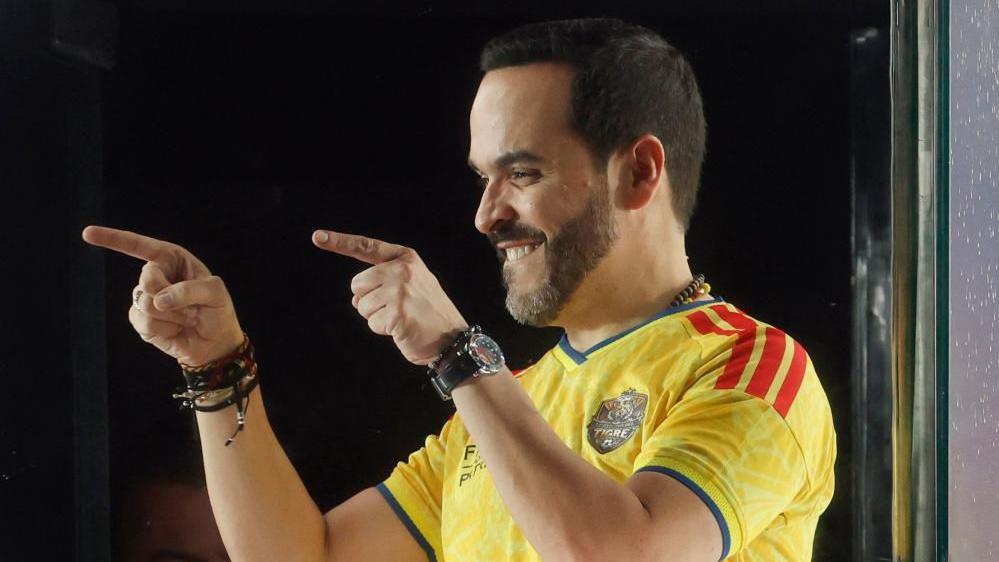
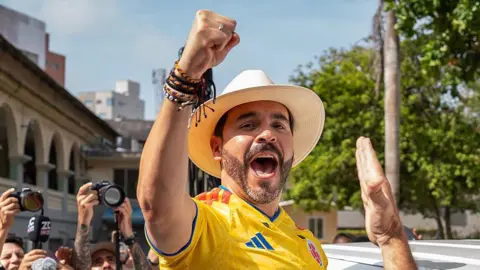
De la Espriella, who during the campaign threatened to “gut the Left,” took a clarifying tone in his own victory address, promising that those who differ will have “nothing to fear.” He has already signaled closer ties with the Trump administration than outgoing president Gustavo Petro, who clashed publicly over U.S. policy in the region.
The new president will assume office on 7 August. Petro’s administration had previously indicated a willingness to join the “Shield of the Americas,” a U.S.-led initiative aimed at combating drug trafficking and cartels, an invitation that de la Espriella is expected to review as part of his policy agenda.
Context and Implications
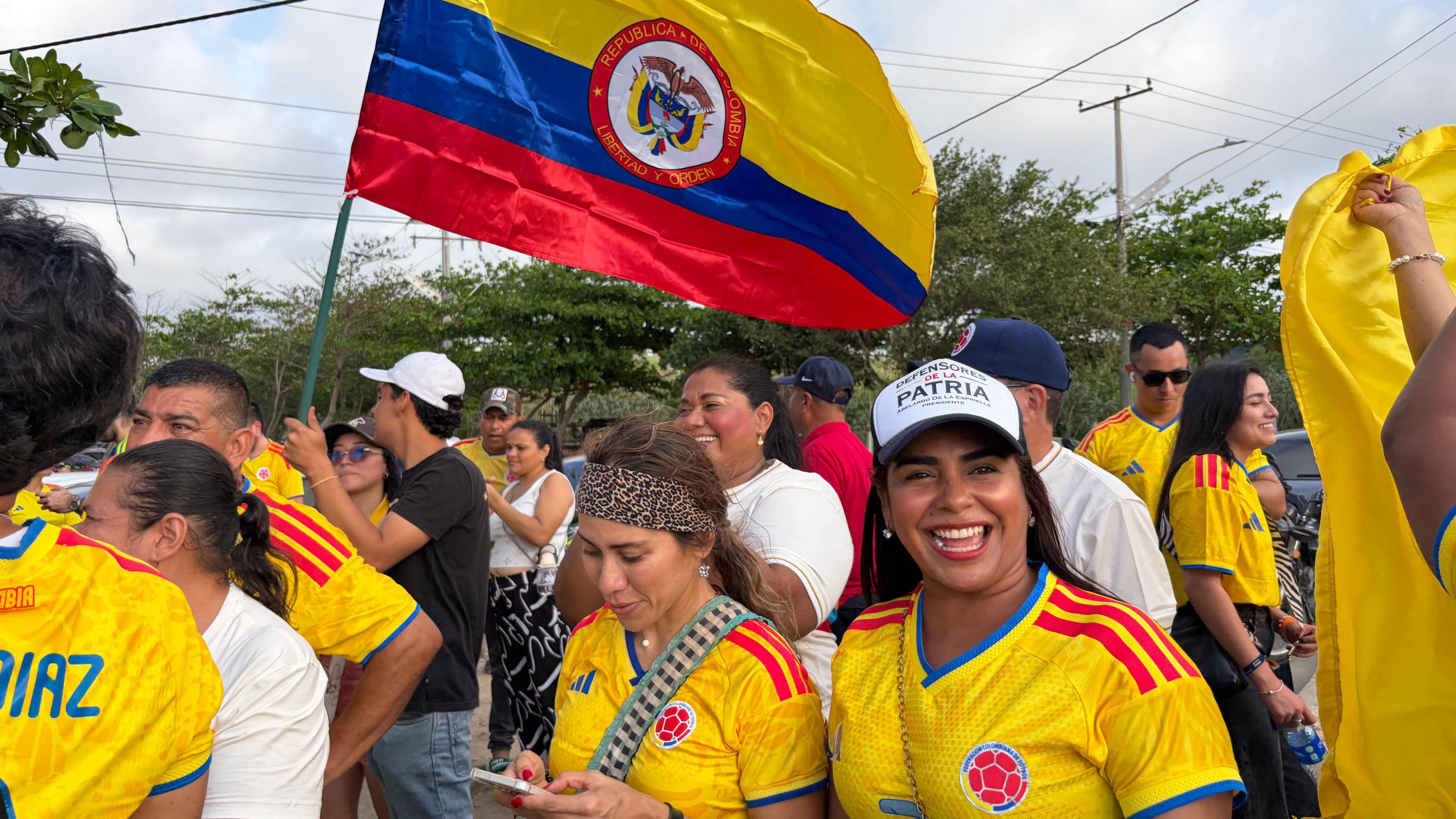
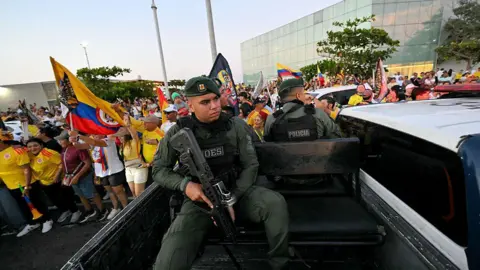
The vote, which saw record turnout, was a stark illustration of Colombia’s deepening polarization. Cepeda’s calls for a united front entered the public discourse only to be met with a fierce physical and rhetorical battle over national identity, economic policy, and the role of foreign powers on the Colombian stage.
While the early results demonstrate a narrow margin, the final certified count is expected to confirm the trend. In any case, the day has cemented a new political chapter in which a returning business‑magnate will confront the challenges of social inequality, narcotics trafficking, and regional integration.
Observers warn that the close tally may embolden populist rhetoric on both sides of the political spectrum. Cepeda’s promise to keep the Senate a viable check on the hand was seen as a symbolic gesture of bipartisan cooperation. The incoming administration’s alignment with U.S. strategic interests, especially under the continuing global security concerns, may shape Colombia’s position on climate policy, trade negotiations and domestic security reforms for the coming year.
Eyeball the Final Turnout
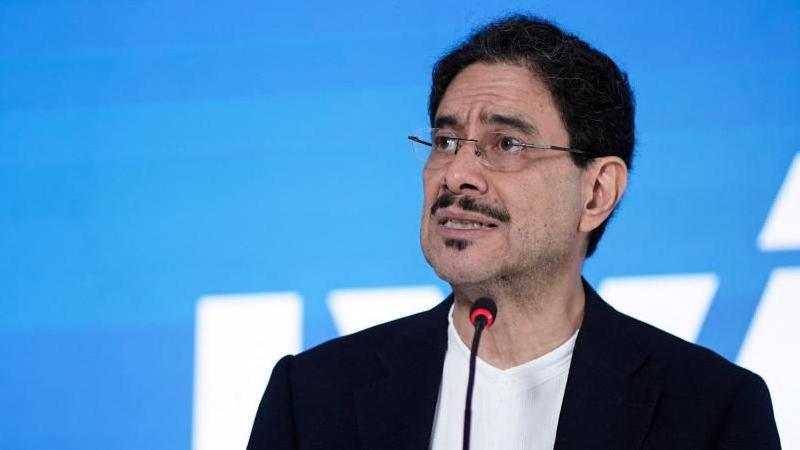
Image Credit: Reuters / Sergio Acero