When the federal government opened its doors in Minneapolis and Saint Paul with Operation Metro Surge, many Minnesota residents hoped for a smoother immigration system. Instead, the raid left a trail of fear and disruption that remains starkly visible today.
Aliah, a 20‑year‑old who fled Afghanistan in 2021 and now holds a green card, recalls a day when agents flooded the city‑wide, raiding homes and schools. The threat was real and persistent; her family worried constantly about a possible return of the crackdown. Fatima, a 19‑year‑old Somali refugee, has only just resumed in‑person school; her questions echo: “What do I do if they come back?”
When the headline story was over, the fallout was not. Hundreds of agents were pulled from Minnesota by February, yet the Department of Homeland Security still reports 482 agents in the state in a recent lawsuit, and ICE flights to El Paso kept going, albeit at a slower rate. Even in rural outposts, officers report to businesses asking for proof of employees’ immigration status, sowing a new wave of unease.
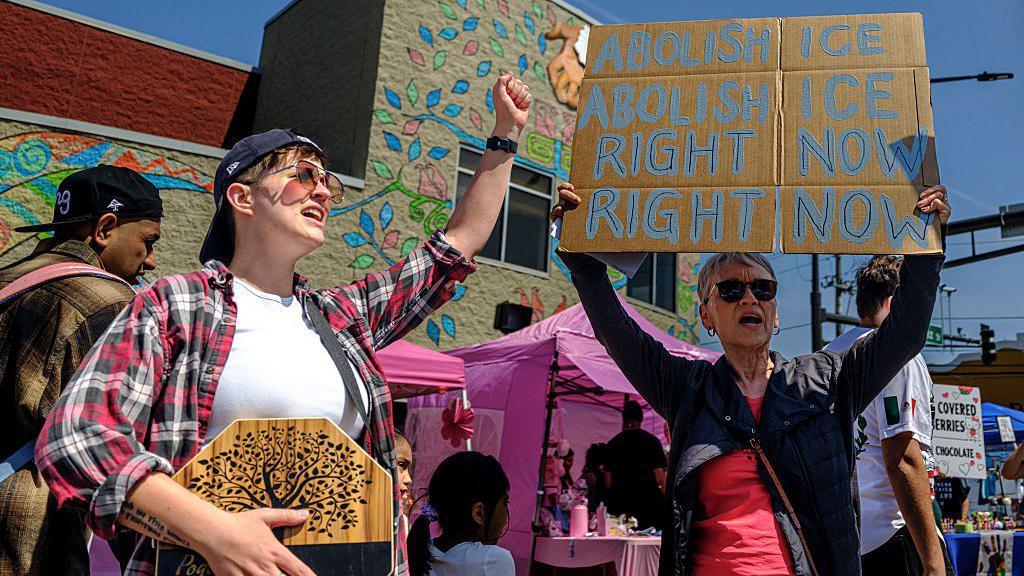
The violence that punctuated the operation intensified public anger: two residents, Alex Pretti and Renee Good, were shot while protesting. Their deaths rattled the community, leading to the removal of a federal commander in January and ongoing legal battles that have effectively curbed targeted enforcement in the city.
Beyond the human toll, Metro Surge stormed into the economic heart of Minneapolis. In the predominantly Hispanic Loop on Lake Street, half of the 600 small businesses shuttered for the operation’s duration, rolling out a $30m monthly hit to the corridor’s revenue. Public estimates of total losses reach $610m for the Twin Cities: $240m in wages lost by workers who stayed home for fear of arrest, and a staggering $610m in business revenue. The state’s eviction filings rose 8% last year, a reflection of the economic pressure that followed the raids.
Despite the official “end” of the raids, the collective memory remains dark. ICE agents continue to patrol streets, and the threat of a revival of Operation Metro Surge is still on the minds of members of the community. Immigrant advocates and local teachers argue that the trauma will influence voters and civic culture for years, shaping Minneapolis’s political landscape in undocumented ways.