Colombia’s Presidential Debate Races Through an Escalating Violence Cycle
The 2026 election has become a proxy for Colombia’s war‑trotted future. With violence from insurgents and drug cartels threatening lives across the country, the campaign now hinges on candidates' plans to restore security.
Residents in displaced people centres in Bogotá echo the urgency:“My brother was murdered for not paying an extortion payment…in front of his children,” says Edilma Martinez Flores. Her story – one of many – underlines that insecurity is the single most feared issue among voters this Sunday.
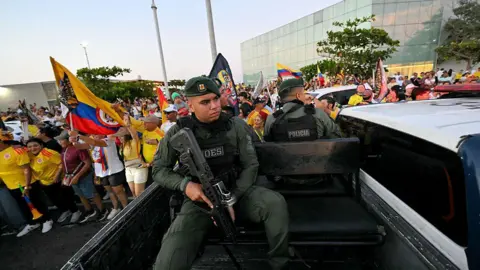
Armed groups, which now number up to twice as many as five years ago, control vast swaths of rural Colombia, raiding airports, forcing locals to flee with nothing, and using bomb threats to keep people in movement. One report notes forced displacement rose 300% between 2024 and 2025, a surge that has not been seen in two decades.
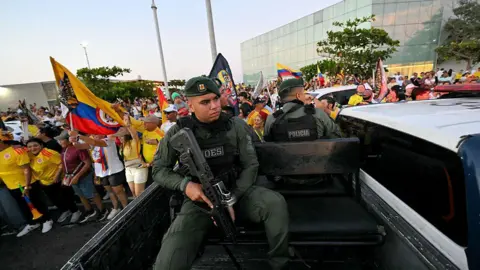
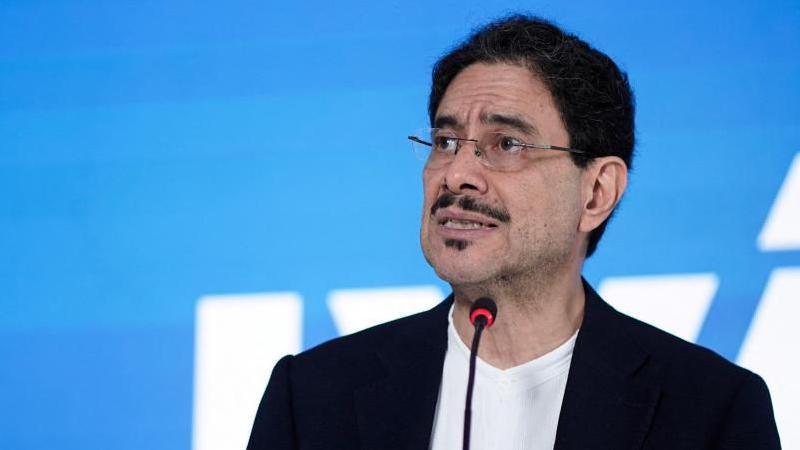
The two candidates could not be more different. On the left, Senator Iván Cepeda – a key figure in President Gustavo Petro’s 2015 peace accords – pledges to refine the “total peace” strategy. Cepeda said the current negotiation approach has allowed armed groups to seize the cracks left by the state and offered a “carrot but not enough stick.”
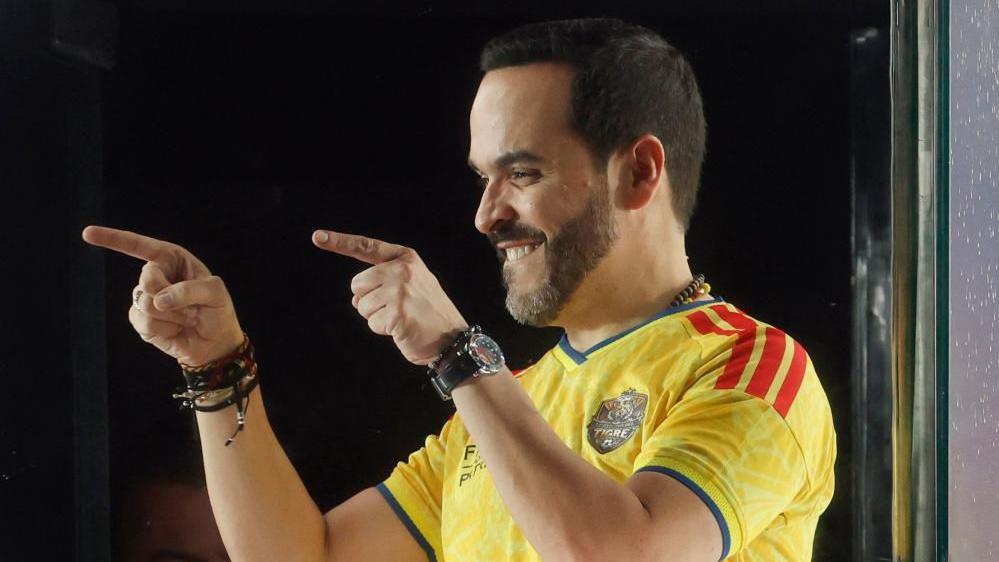
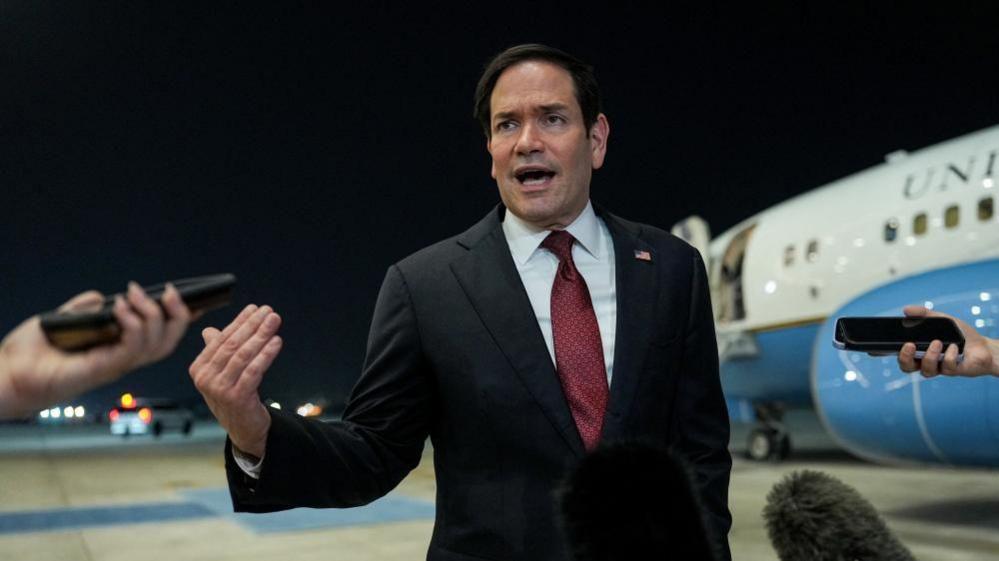
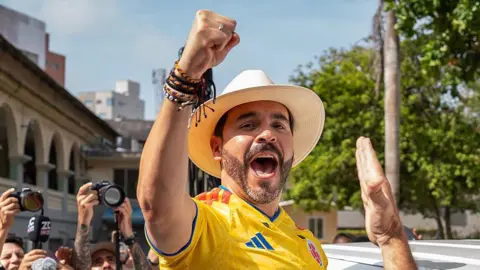
On the right, Abelardo de la Espriella, a regional businessman turned outsider, is courting a merciless military response. Nicknamed “El Tigre,” he promised 10 mega‑prisons, an intensified air‑ and ground‑strategy, and an outright end to any ceasefires with insurgents. His challenger’s supporters lauded his determination to cooperate with the United States. The former U.S. president’s endorsement of de la Espriella added a foreign‑policy dimension, with former President Donald Trump calling the opponent a “radical left Marxist.”

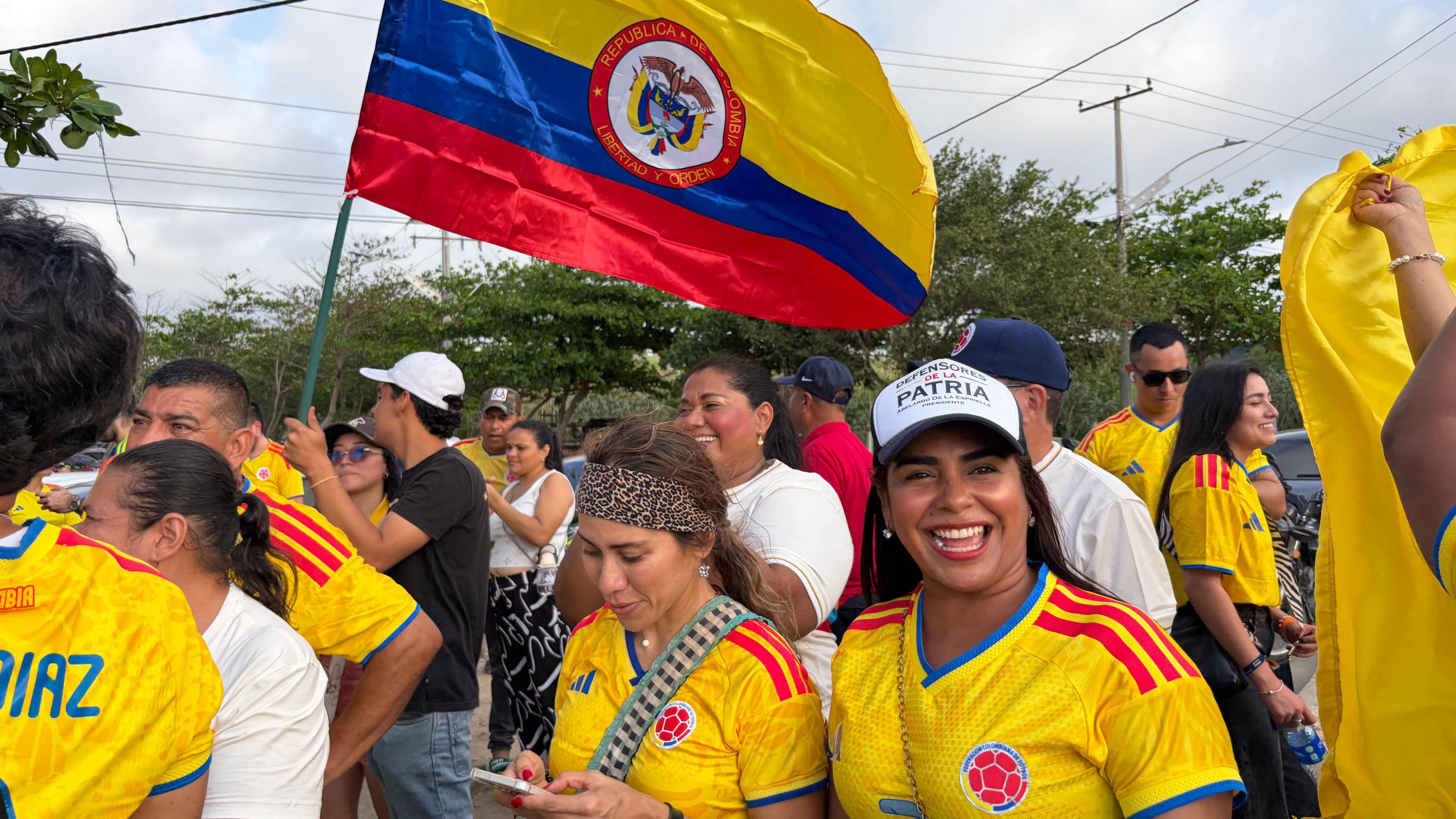
Voters like Catalina La Grande, a 22‑year‑old student, see a new model on Cepeda: a mix of repression and social programmes that tackles poverty, inequality and the “structural roots” of insecurity. In contrast, supporters of de la Espriella claim a hard‑line approach will “stop drug trafficking and garrisons” but fear that the president’s foreign backing may put Colombia back on the global stage of conflict.
With a national electorate that is deeply divided by both ideology and personal experience, the outcome of Sunday’s vote will have profound security ramifications. If de la Espriella wins, the country may lean heavily on U.S. support, while a Cepeda victory would maintain a negotiated path toward peace. Colombia’s future rests in the hands of its voters, and the stakes could reshape the country for decades to come.