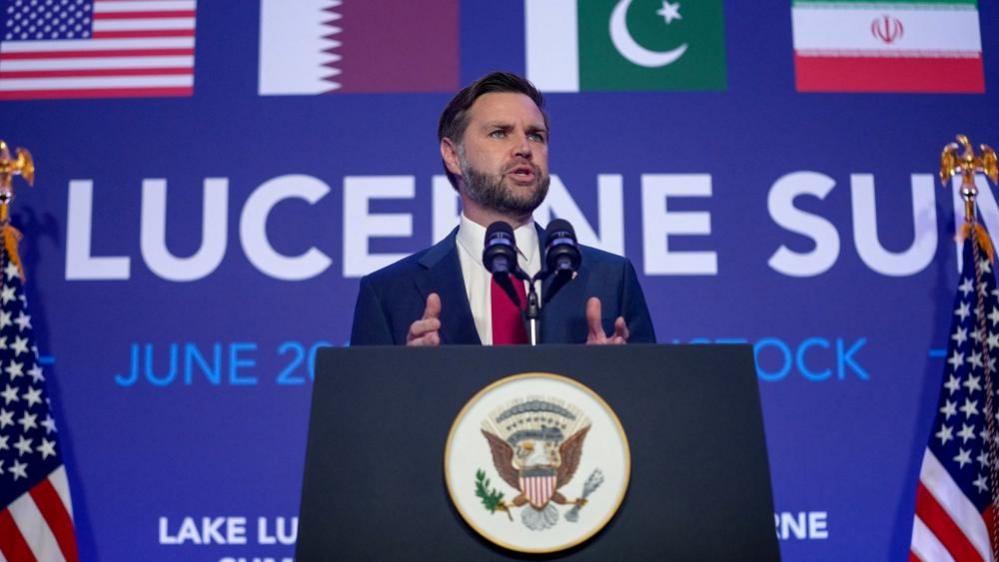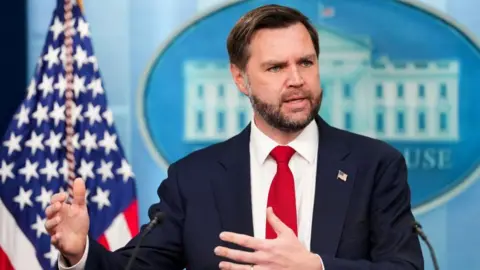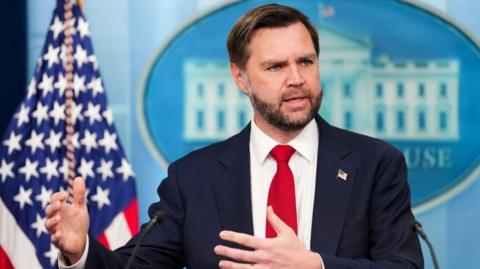
Vice‑President JD Vance has stepped into the spotlight as the face of the U.S.‑Iran memorandum of understanding, delivering a vigorous defence at a White House press briefing while Donald Trump downplays the agreement and threatens to blame him if it falters.
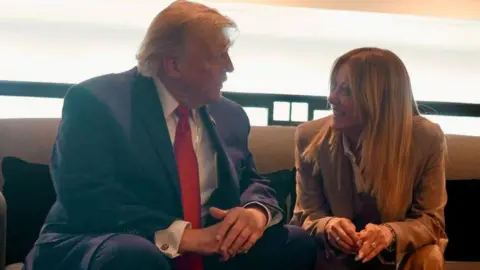
When Trump joked the previous day that he might blame Vance if the accord collapsed, the vice‑president dismissed the comment as a joke, saying the president “was joking.” The exchange highlighted how Trump has repeatedly put pressure on his subordinates for policies that are unpopular with many Republicans.
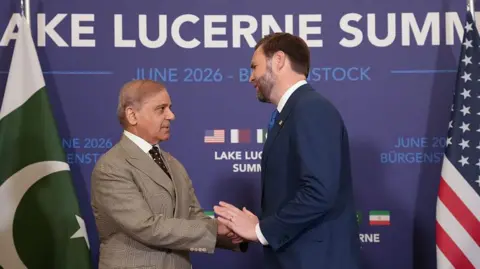
Vance’s week has been a mix of strong statements and logistical hiccups. He was slated to attend a signing ceremony in Switzerland with Iranian leaders only to be told by the White House that he would not be traveling there yet, underscoring the uncertainty around the logistics of the deal.
Yet Vance has persistently defended the interim agreement, calling it a “significant first step” to curb Iran’s nuclear ambitions while pointing to falling gasoline prices and optimistic prospects for a future reconstruction fund. He also criticized Israel’s reaction to the deal, going further than Trump in his remarks.
The situation is tense for Vance politically. The vice‑president issued a memoir just days before the deal’s announcement, spurring speculation about a 2028 presidential run that could be jeopardised by his association with the Iran talks. Republican senators such as Bill Cassidy and Roger Wicker have criticised the memo and the memorandum, calling it a surrender to Tehran.
The deal itself omits detailed nuclear safeguards, leaving those matters for future negotiations. Vance has had to explain the timing of the U.S. role in a proposed $300 billion reconstruction plan, while Trump later denied that the United States would fund the plan, labeling the story “Fake News.” The final text released by U.S. officials included a commitment to work with regional partners on a “definitive mutually agreed plan” for reconstruction.
Despite these challenges, Vance has maintained a confident stance that the agreement will benefit Americans. He said that any positive outcome would be contingent on Iran’s compliance, adding that “If they change their behaviour … big things are going to happen.”
The intertwining narratives between Vance’s defence and Trump’s dismissive posture have exposed the internal contradictions within Washington around the Iran war, amid a broader debate over national priorities and foreign policy direction.
As the tense week unfolded, Vance’s association with the Iran deal may either prove a decisive achievement or a political liability for his aspirations, depending on whether the deal can be solidified and whether it satisfies critics at home and abroad.