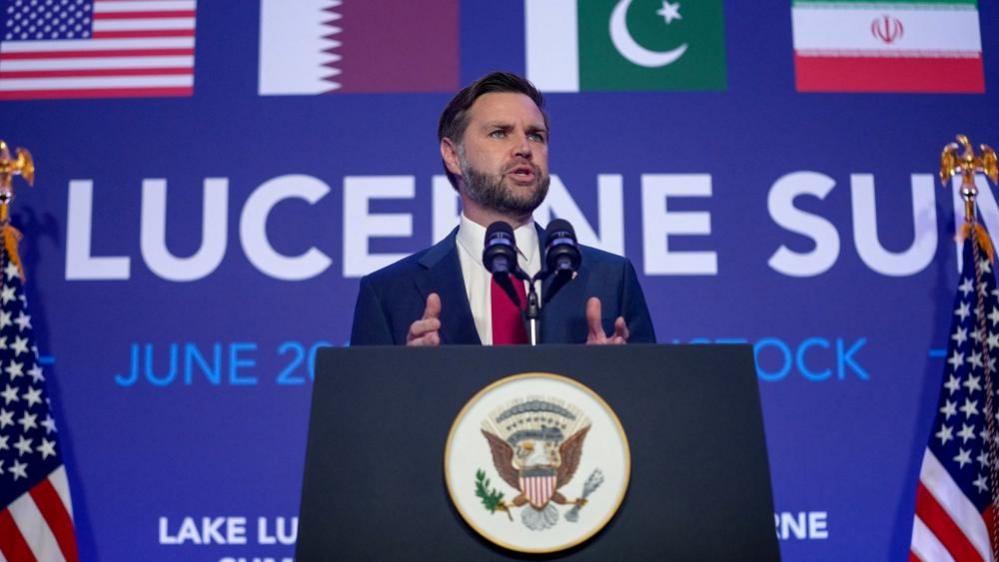
In a surprise move that has rippled through international politics, a memorandum of understanding between the United States and Iran was signed on Thursday, ending a brief but bloody war that began on February 28. The pact, brokered under the Trump administration, signals a back‑down on the U.S. and Israel’s hard‑line pursuit of regime change in Tehran and sets the stage for a negotiated nuclear deal.
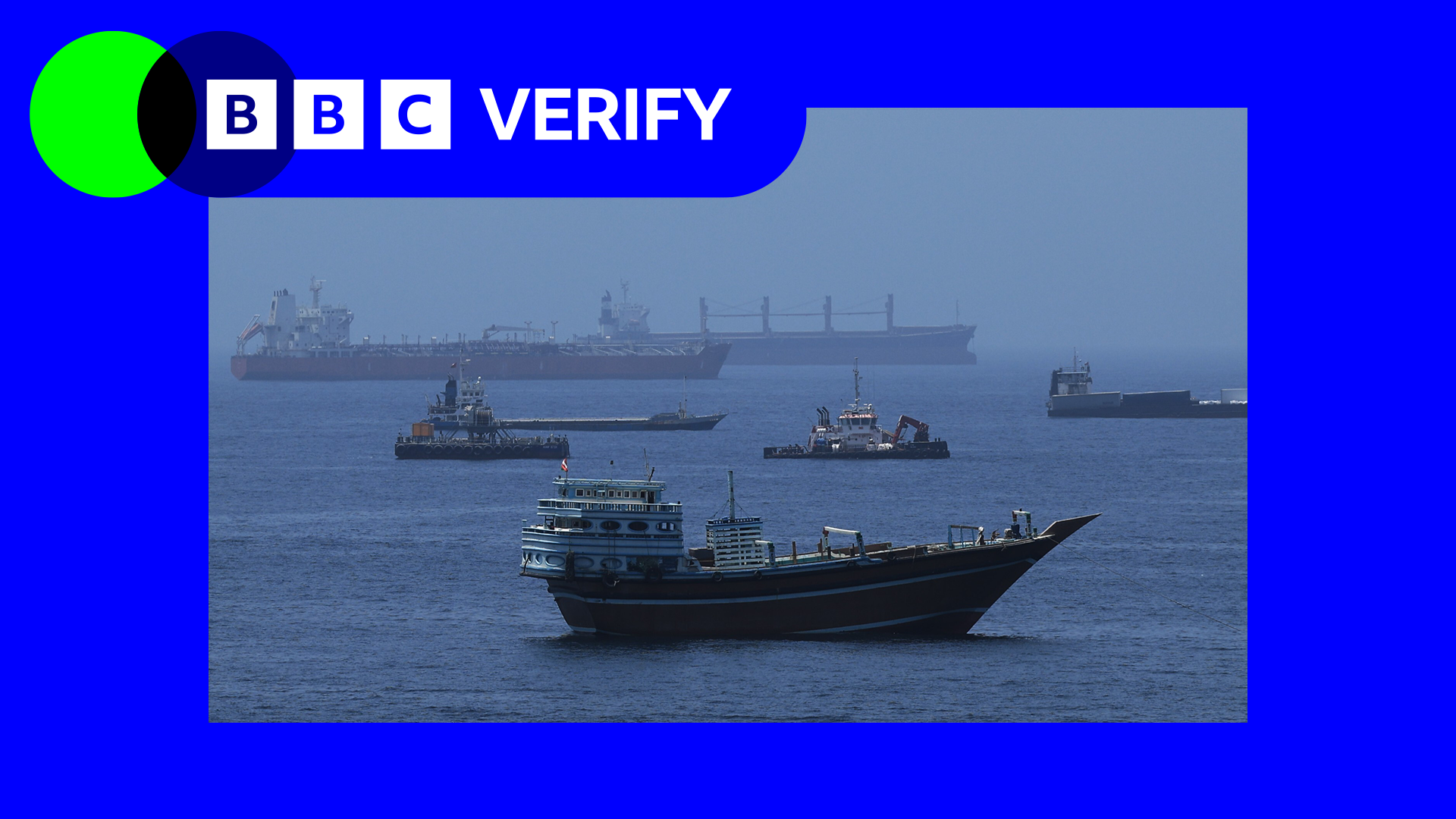
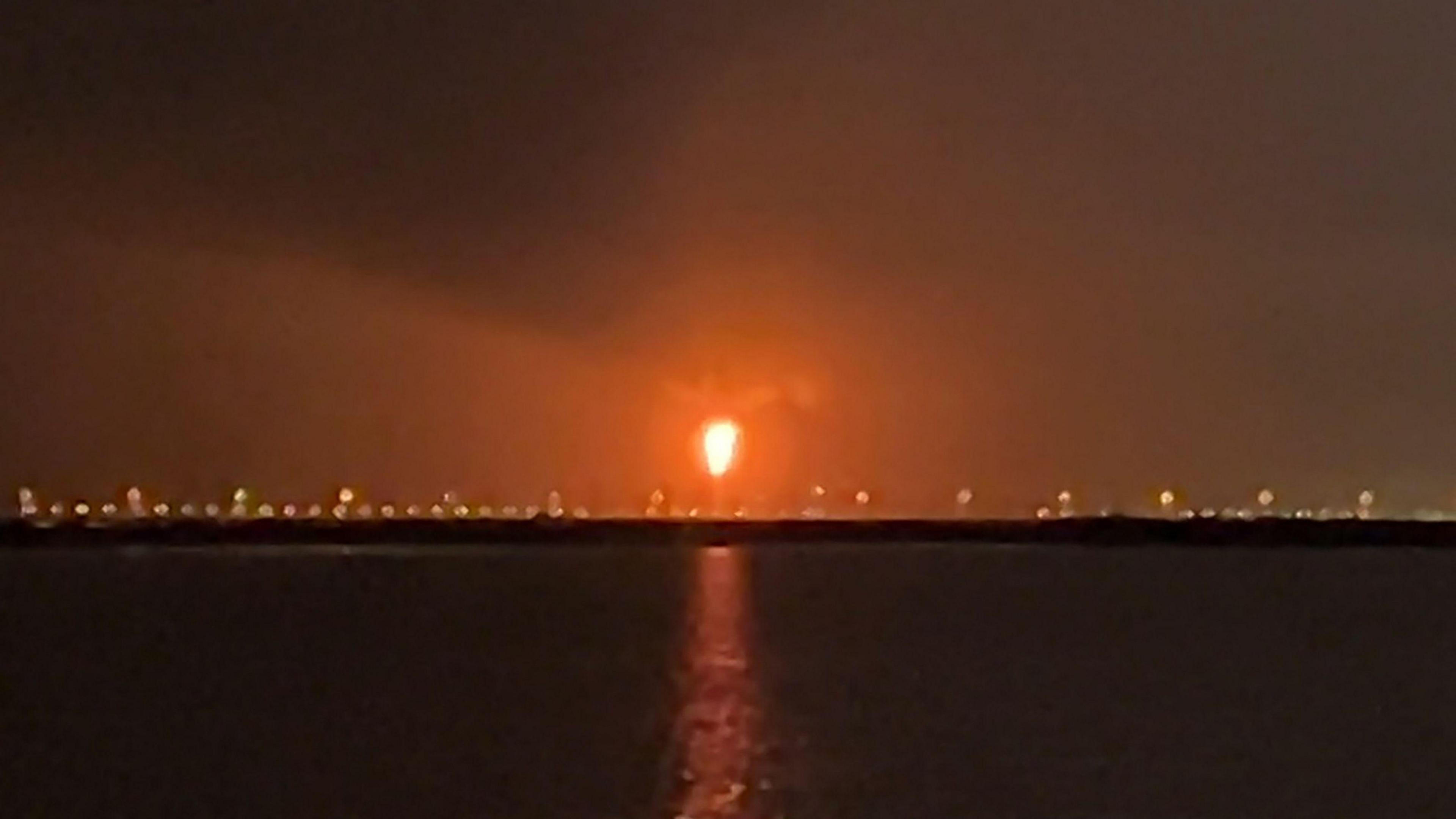
The agreement’s primary point is the reopening of the Strait of Hormuz, a vital choke‑point that controls an estimated one fifth of the world’s oil and gas flows. While the U.S. moved to block the strait as a weapon during the conflict, it now lifts that blockade and eases sanctions to allow Iran to once again earn billions from oil exports.
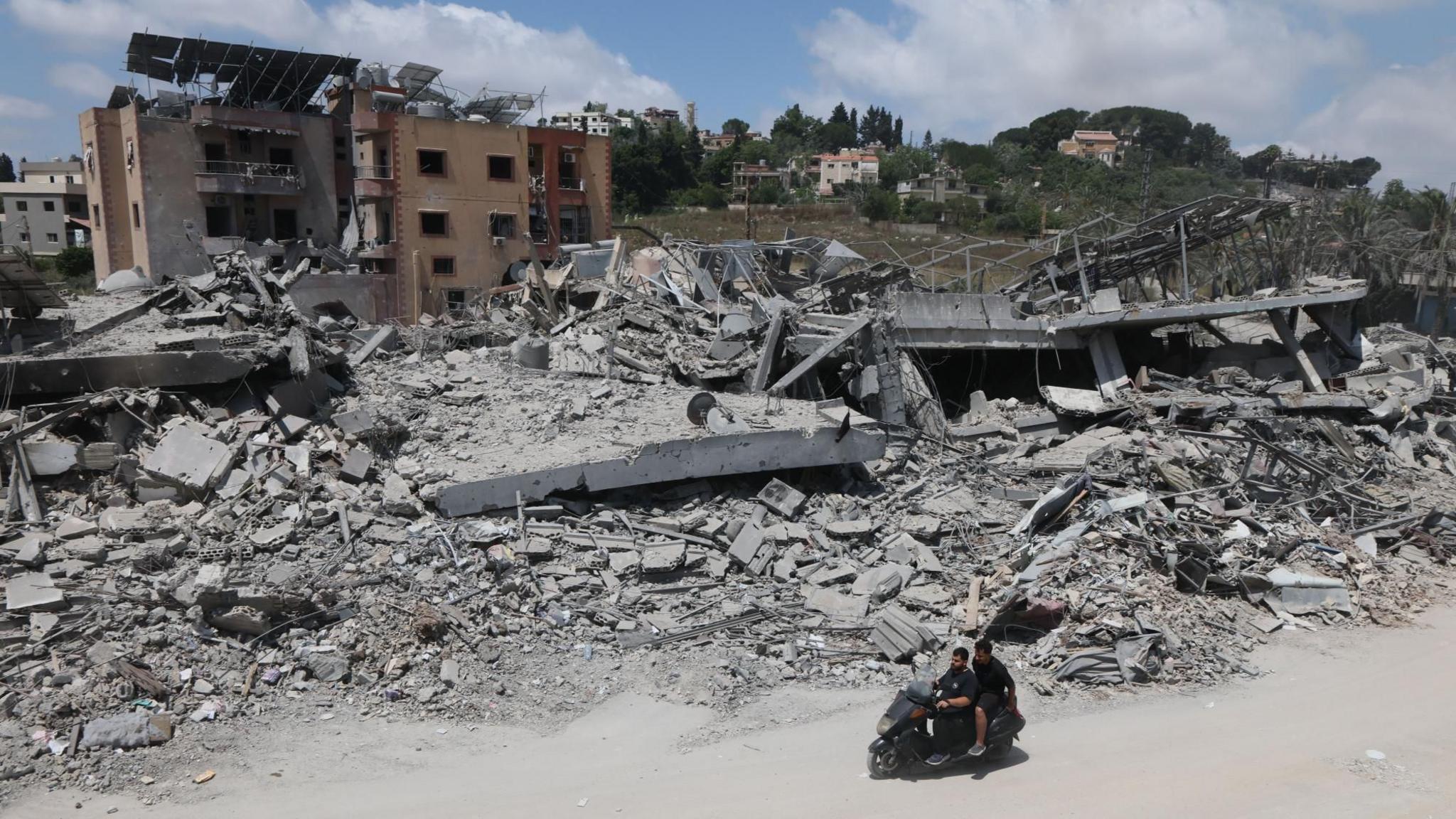
The humanitarian toll of the War was immediate and brutal. Thousands of civilians died in Iran and across Lebanon as air strikes swept the region. The MOU’s recognition that the U.S. and Israel suffered a strategic defeat—despite tactical gains—highlights Washington’s misreading of Iranian resilience and the cost of using strike power to achieve political ends.
One of the most contentious parts of the deal is the stalemate over Lebanon. The U.S. calls for ending hostilities there, while Israel insists a free hand in the country remains essential to its national security calculations. This disagreement risks a new rift that could tip the region toward further instability.
The MOU is a pre‑emptive gesture designed to pave the way for a nuclear agreement. With the Strait open, negotiators will resume talks that could unlock billions of dollars in fresh investment for Iran’s battered economy. However, the challenge remains: both sides must remain honest and respectful; hardliners in Washington, Tehran and Israel await resupply before giving the deal its best chances.
Beyond the immediate security concerns, the U.S. faces broader consequences. The war’s aftermath is already straining U.S. political capital, particularly for Benjamin Netanyahu and his hard‑line strategy that brought criticism over the failure to anticipate the Hamas attack of October 2023. Trust has frayed as Israeli leaders, the Trump team, and the public each respond to revelations of the war’s questionable cost.
While the deal brings economic relief to Iran, it also underscores the difficulties the regime has faced over decades. The Islamic Republic’s institutions were engineered to withstand assaults, and a single offensive could never collapse them entirely. The present MOU is a test: if talks succeed and sanctions lift, the Middle East could see a substantial shift toward peace—if it can overcome the inertia of entrenched hard‑liners and the side‑by‑side dynamics that have defined U.S. foreign policy for years.