In brief
On 2026-06-19 the US State Department cut funding to South Africa’s President’s Emergency Fund for AIDS Relief, a program that had supplied about a fifth of the country’s HIV care spend. The decision follows the Trump administration’s harsh criticisms of the country’s post‑apartheid policies and unfounded claims of a "white genocide," fueling diplomatic friction. South Africa’s health ministry said it was pursuing self‑reliance and that antiretroviral drugs would continue to be funded from other sources. The phased drawdown cuts $400 million annually by 2025, potentially jeopardizing treatment and prevention efforts at a time when more than 8 million residents live with HIV. Experts warn the funding gap could reverse gains in epidemic control.
On 19 June 2026 the United States announced it will discontinue funding for South Africa’s President’s Emergency Fund for AIDS Relief (Pepfar). The program, which had delivered roughly $400 million per year – about 20 percent of the total national HIV‑care budget – has been a cornerstone of the country’s response to the epidemic.
The decision came amid a broader deterioration in US‑South African relations, rooted in the Trump‑era executive order that accused the South African government of undermining equal opportunities and of fostering violence against a perceived "white minority". The White House also propagated a claim of a so‑called "white genocide" in South Africa, allegations the government has consistently denied. Those attacks, officials say, have driven the US to phase out aid as a pressure tactic.
South Africa’s health ministry has not been informed of the funding cut, yet it stated that it has long been working on a self‑reliance plan and that life‑saving antiretroviral drugs will continue to be sourced from national budgets and other donors. In the absence of U.S. support, the country has relied on multilateral partners and its own procurement programmes to fill the gap.
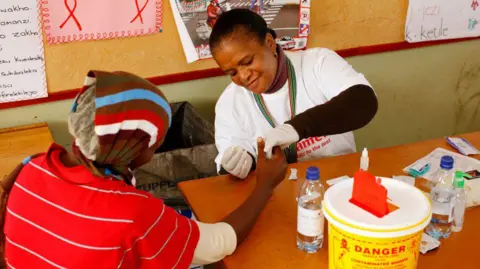
The phased drawdown will see U.S. contributions end by 2025, with the total withdrawal equalling $2.4 billion over the next four years. For a nation that still ranks as the world’s largest HIV‑positive population – over eight million people – the abrupt loss of funding threatens to undermine testing, education and treatment campaigns that have slowed infection rates in recent years.
Health experts warn that without sustained financial support the gains achieved under the 2016–2020 Global Fund and other initiatives could reverse. They urge the South African government to accelerate internal financing and engage with alternative partners to safeguard the public health gains achieved over the past decade.
For further insight, see the BBC report titled "As US cash dries up South Africa's fight to stop Aids gets harder" at BBC News Africa.