Guayaquil Airport Shooting: Gang Leader Killed in Blossoms Ambush
A suspect believed to head a faction of Ecuador’s notorious Los Aguilas gang was fatally shot as he exited the arrivals terminal of José Joaquín de Olmedo International Airport in Guayaquil.
Security footage released by police shows two young men waiting with stuffed toys and flowers. One of them, holding a handgun concealed behind a teddy bear, approached 39‑year‑old Carlos Alberto Suástegui Villanueva and fired a single, close‑range shot. The gunman then fled the scene while a second opponent fired an additional shot.
Authorities have detained two teenagers who are believed to be linked to the killings. The attack came just one day after President Noboa declared a state of emergency in 10 provinces, including Guayas, where the assault occurred.
Interior Minister John Reimberg identified Suástegui as the leader of Los Aguilas, a group designated as a terrorist organization by the Ecuadorian government in 2024. The gang has long been accused of drug trafficking, extortion and a wide range of violent crimes.
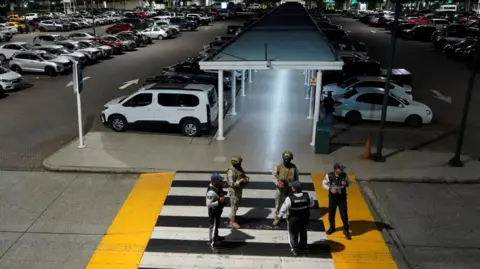
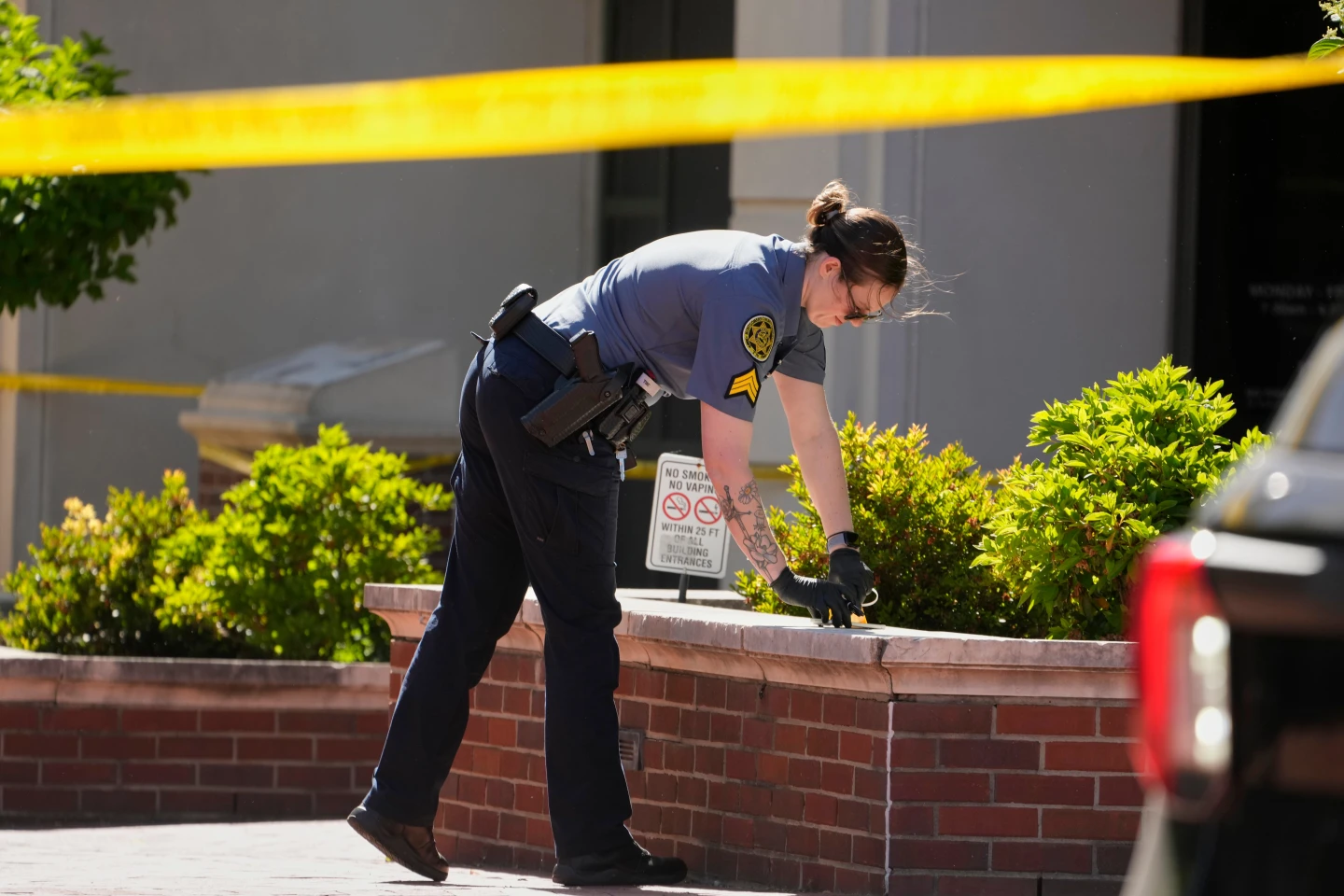
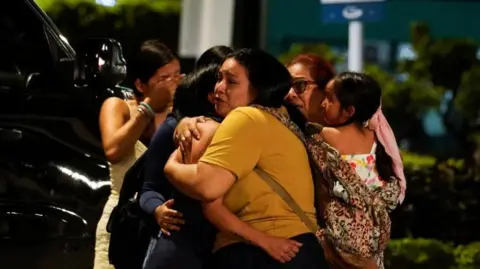
The arrival hall was closed for over two hours while forensic teams and police inspected the scene. One bystander sustained injuries, and a video of the incident captured the moment a man collapsed after the shots rang out.
President Noboa’s emergency measures grant security forces the authority to conduct warrant‑less searches under suspicion of illicit activity. Despite these powers, the murder rate reached an all‑time high in 2025, reflecting the relentless surge in gang‑related violence across the country.
Ecuador’s strategic location between Colombia and Peru – the world’s largest producers of coca – positions it as a critical trans‑shipment corridor for cocaine destined for the United States, Europe, and beyond. The deadly attack underscores the country’s transformation into one of the Western Hemisphere’s most dangerous crime hotspots.