Ethiopia’s Ruling Party Secures Landslide Victory Amid Rising Conflict Fears
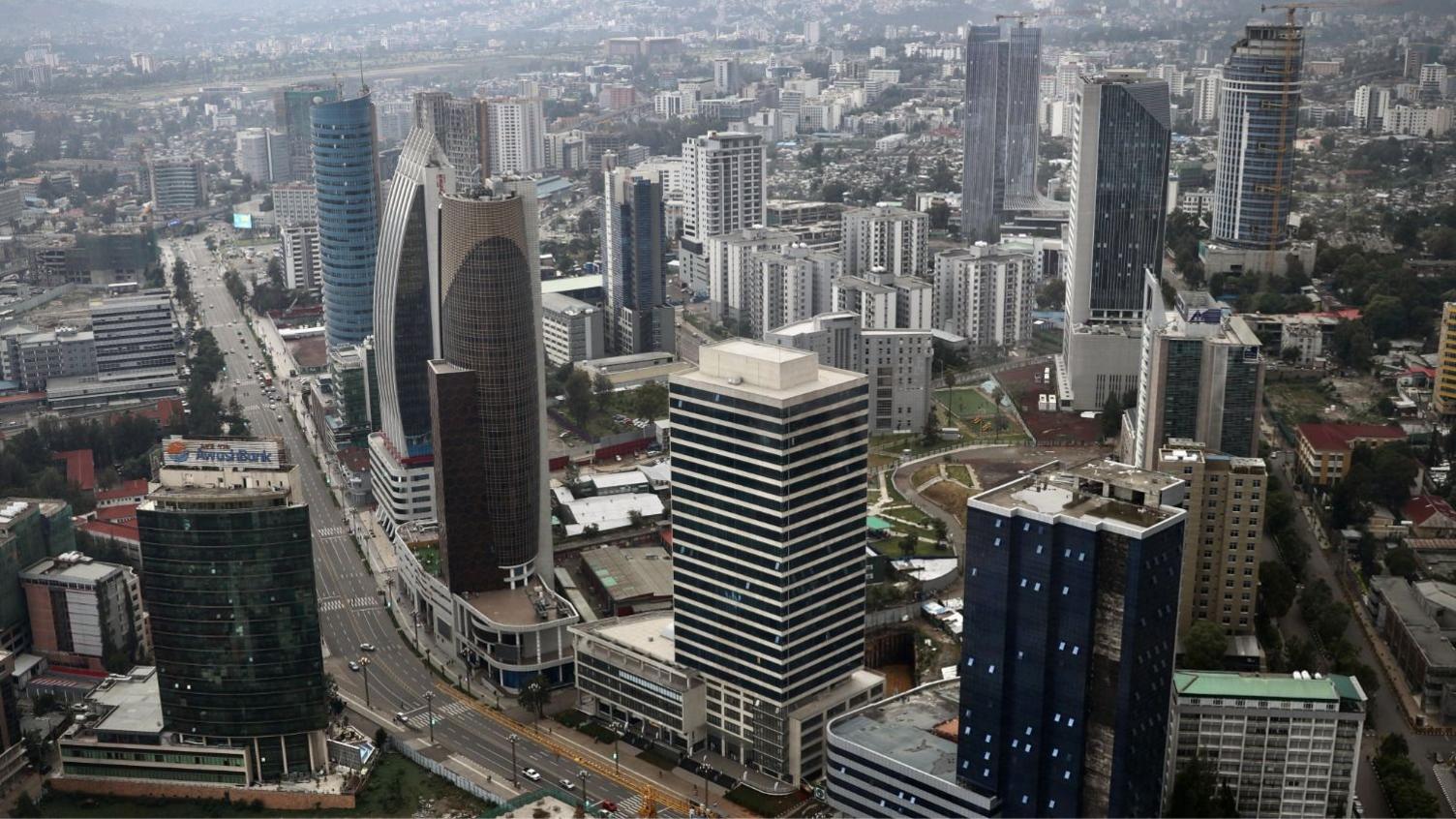
The government of Ethiopia, led by Prime Minister Abiy Ahmed, secured a decisive win in the national elections held 1 June, earning 438 of 501 contested seats. The Prosperity Party’s dominant position has been reinforced while neighbouring opposition groups largely stayed away from the ballot.
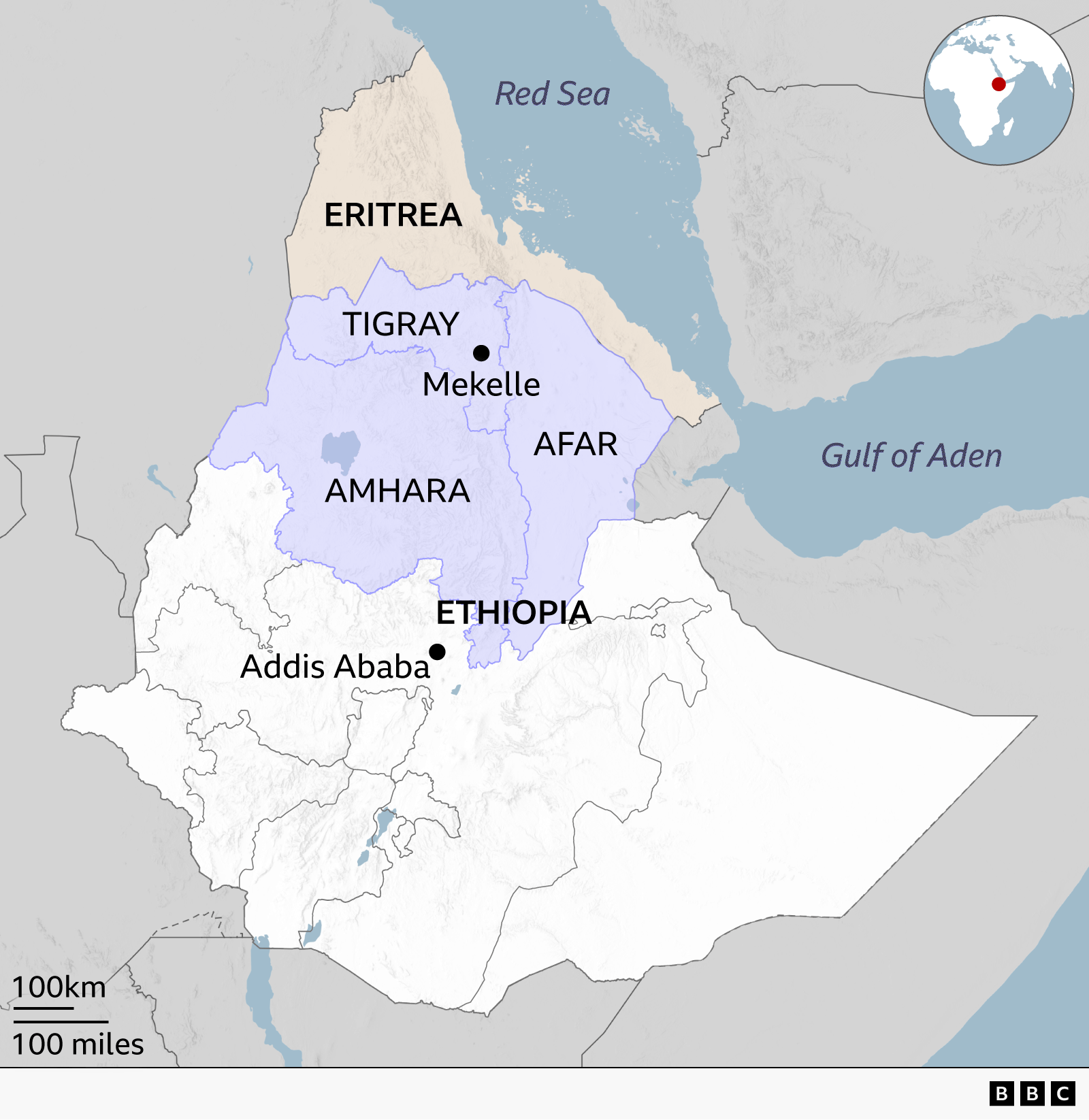
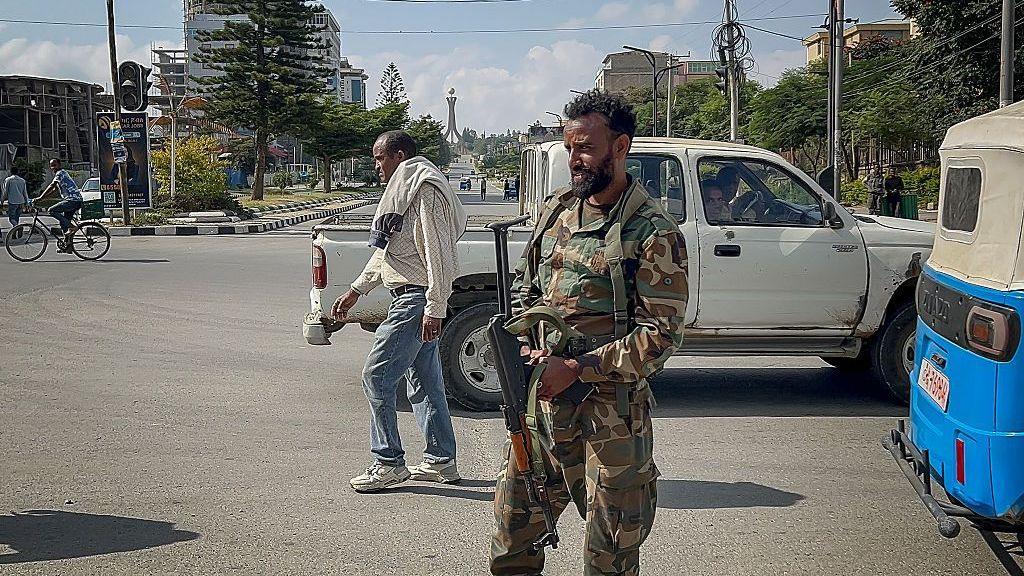
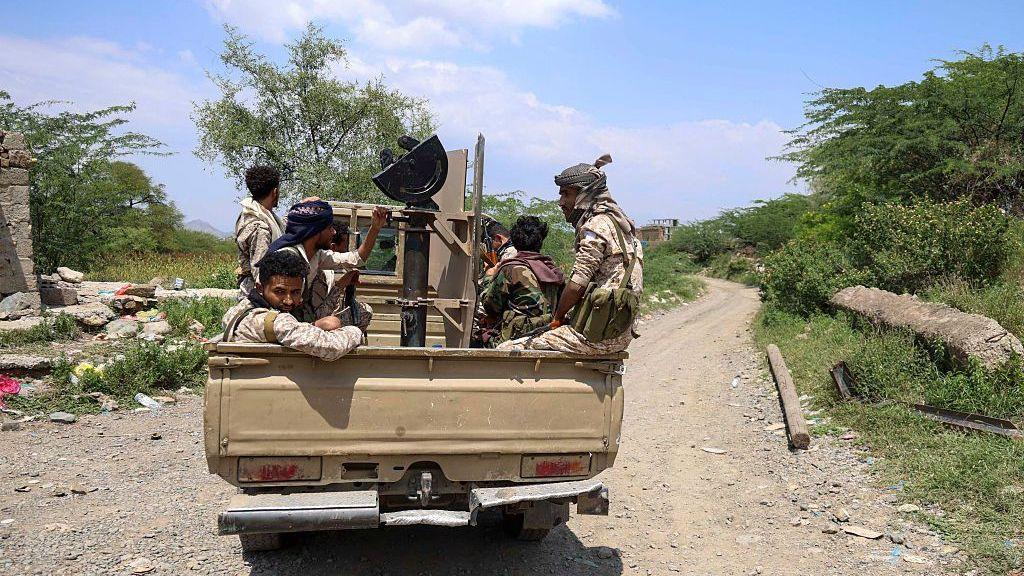
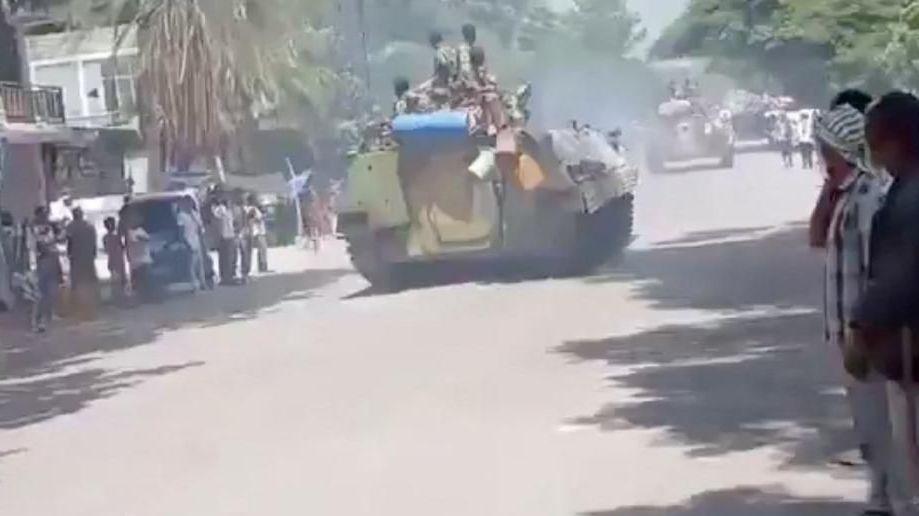
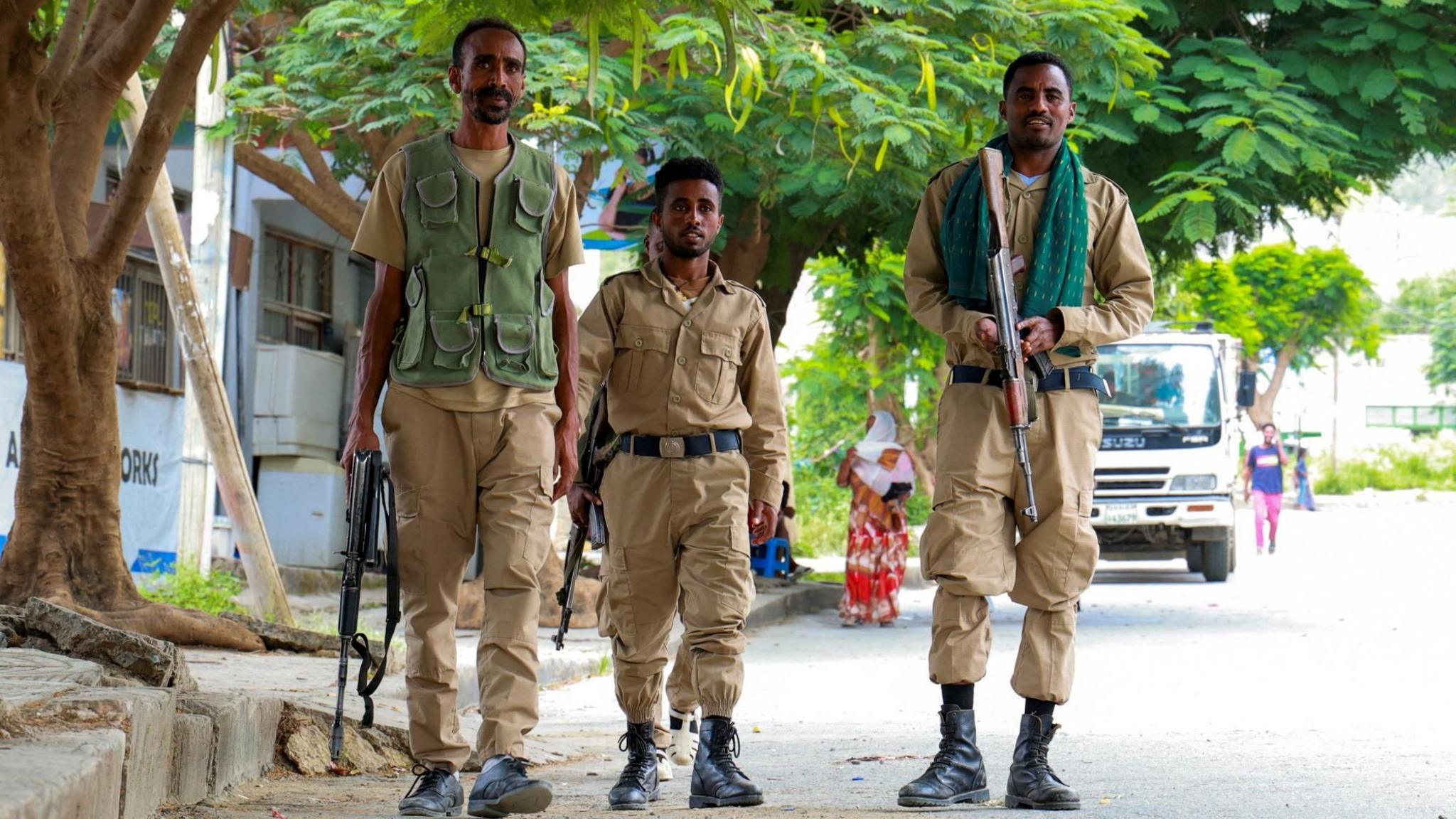
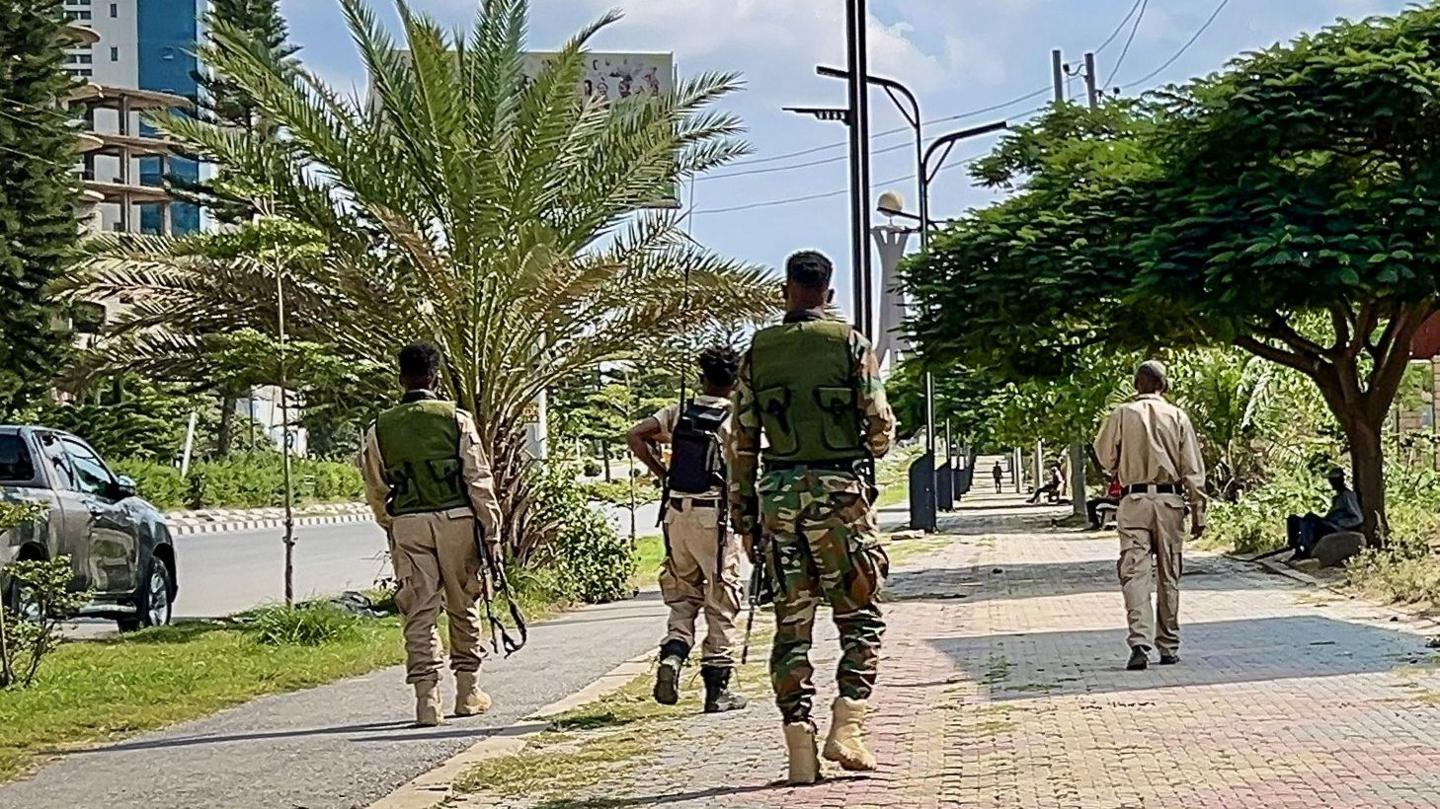
The results were shadowed by marked instability. In the Amhara and Oromia regions, 143 voting sites were unopened amid armed clashes that disrupted normal civic life. Meanwhile, Ethiopia’s northern province of Tigray, where a civil war dominated for two years, was excluded from the polls, further inflaming speculation that hostilities could flare again.
Since 2018, Prime Minister Ahmed has worked to streamline Ethiopia’s split governance, earning a Nobel Peace Prize for negotiating peace with Eritrea. Yet the dispute with the Ethiopian north‑east now threatens regional stability. Eritrea’s leader tightens its stance on Ethiopia’s control of the Red Sea, and in turn, Tigrayan forces have realigned with Eritrea – a shift that could spark a broader confrontation across bordering states.
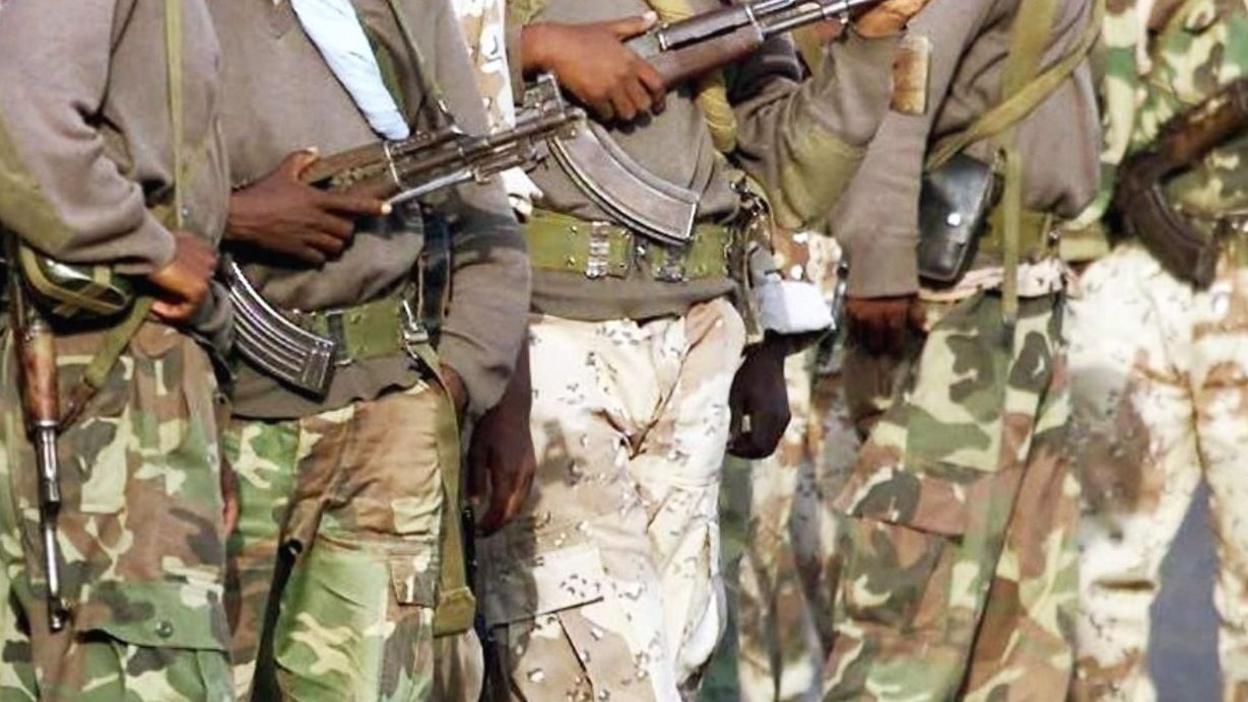
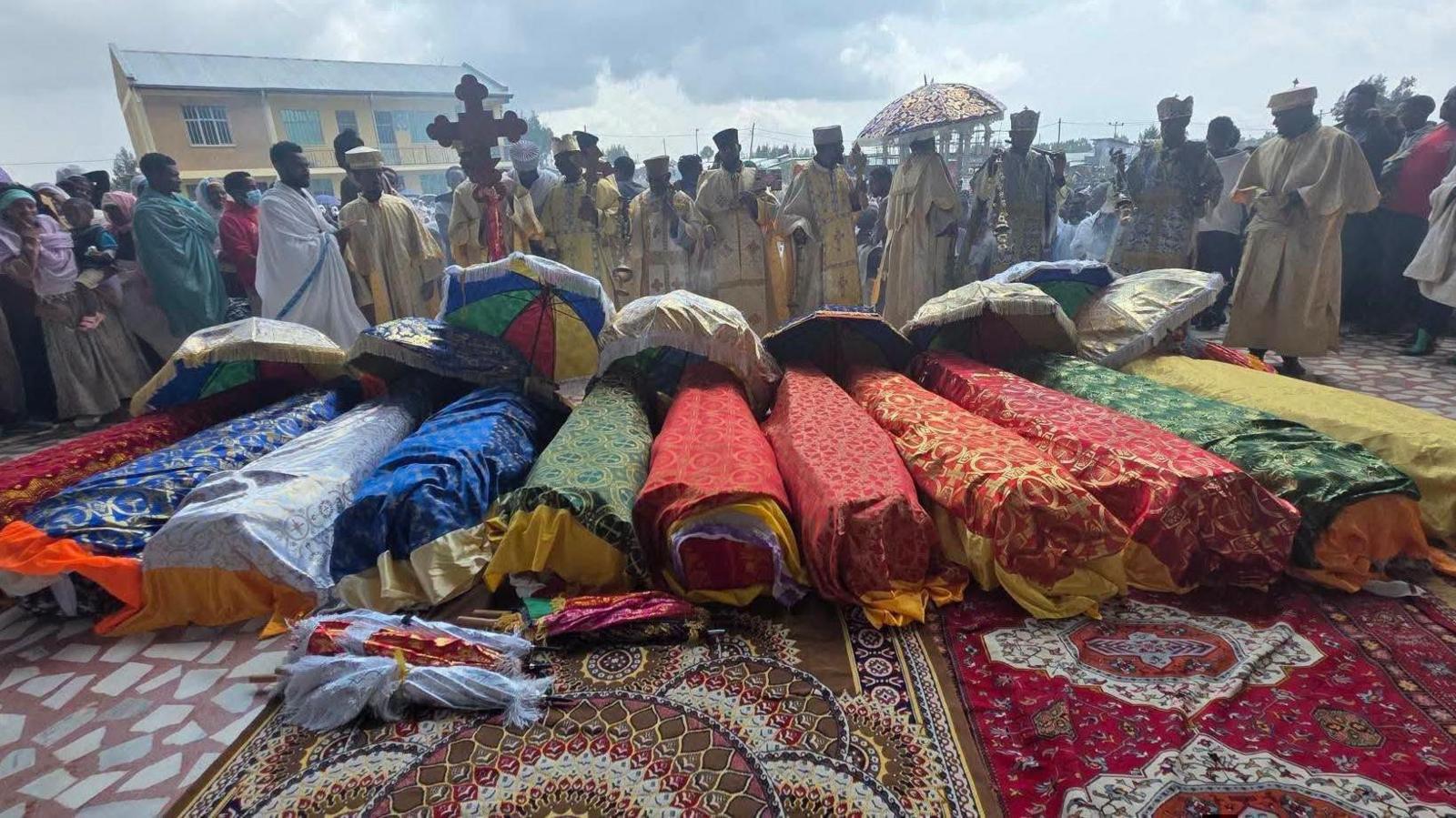
War‑time casualties in Tigray still loom: 400,000 people have reportedly died, while the African Union estimates the region teetering on famine. National authorities have denied claims of forced recruitment by rebel forces, but emerging evidence indicates Tigrayans are bolstering their ranks, an activity the government claims serves defensive training.
The United States has tightened visa restrictions against individuals deemed to undermine peace in Ethiopia, specifically those “responsible for or complicit in undermining resolution to the crisis in the Tigray region.” The European Union echoed this stance, urging immediate de‑escalation of the northern conflict.
Analysts warn that the current political contest, marked by territorial ambition and rival interpretations of the 2022 cease‑fire, could destabilise Ethiopia’s newly forged unity. In the near weeks, observers consider it a pivotal period: the government's ability to mediate tensions may prove decisive in averting further war.

Reuters