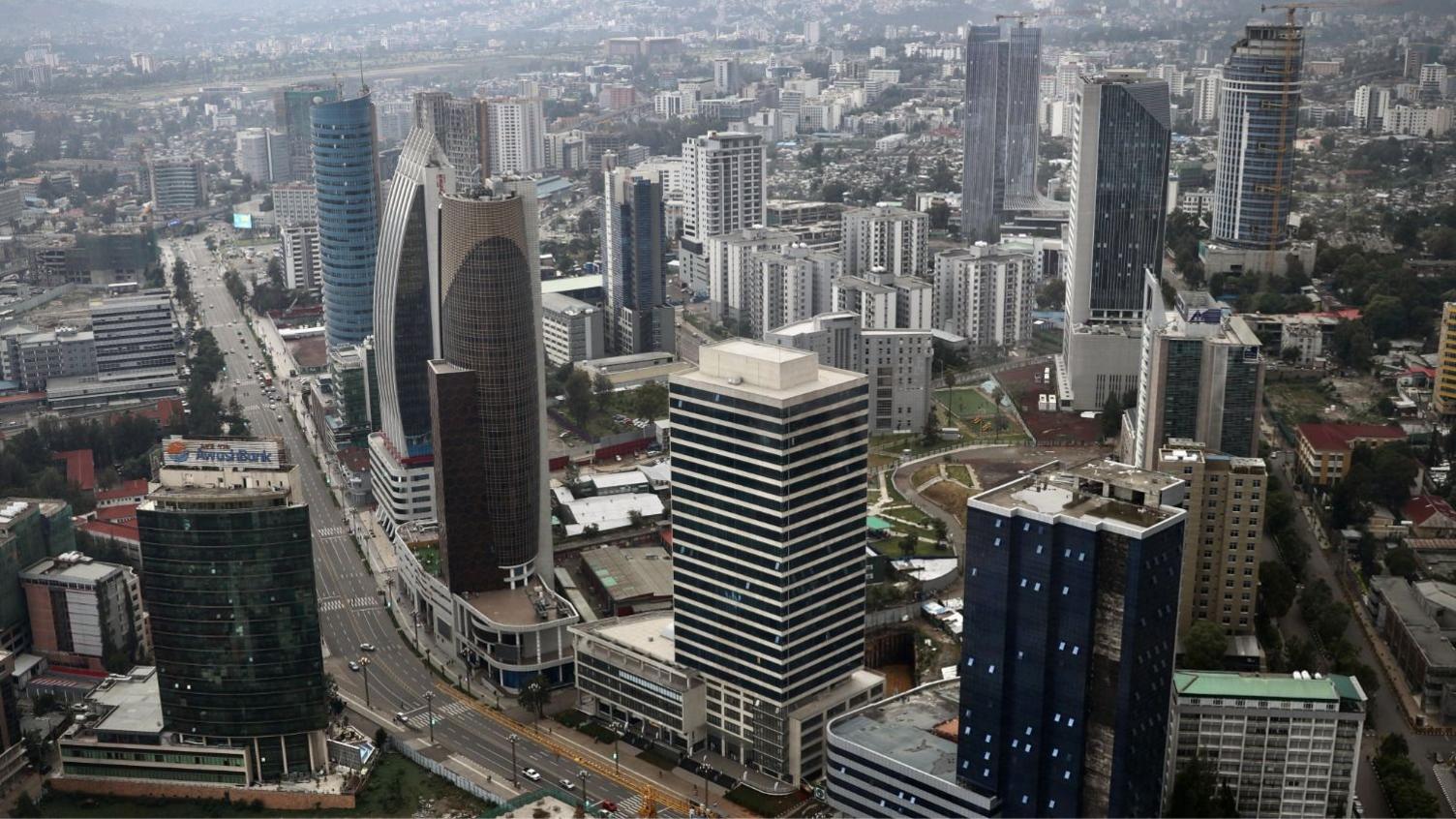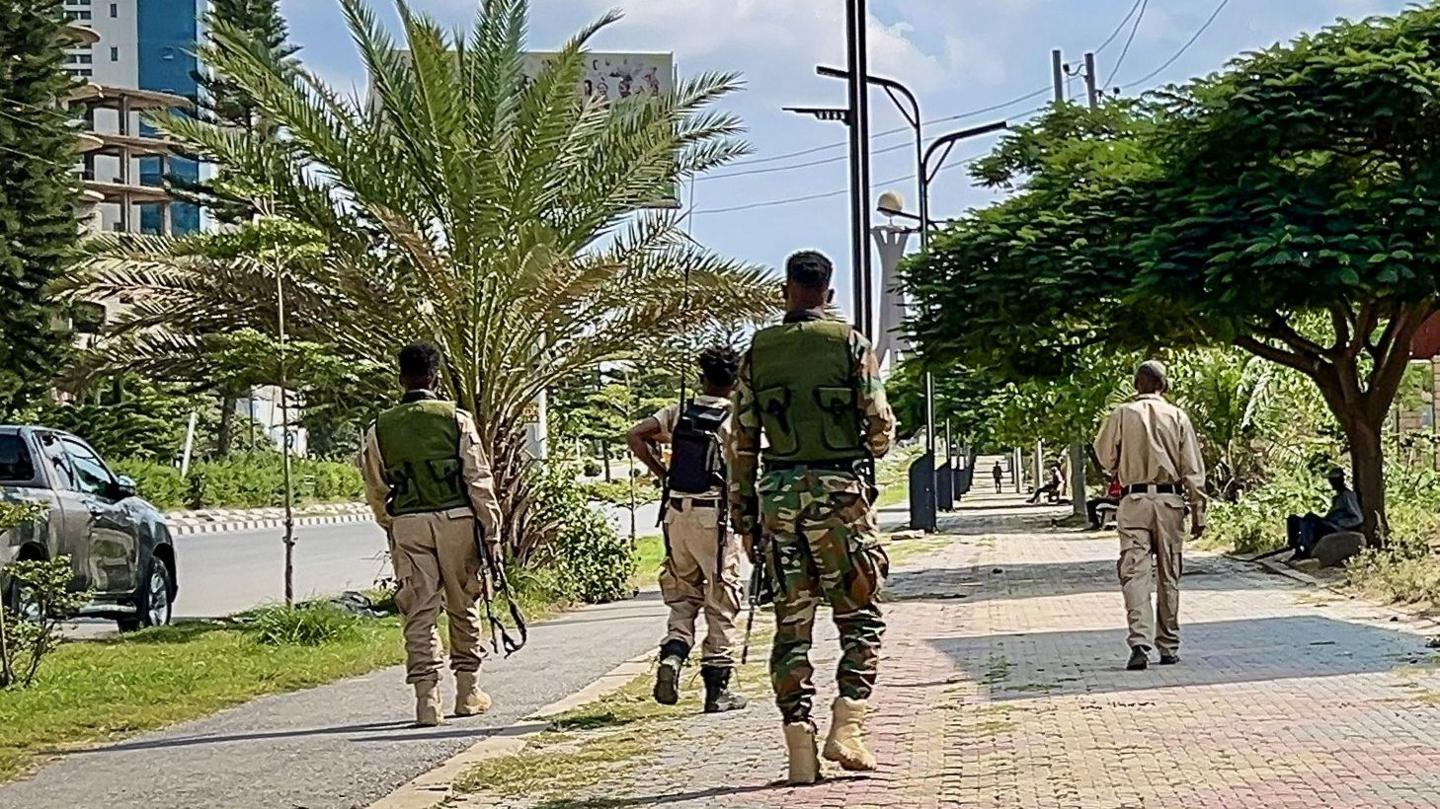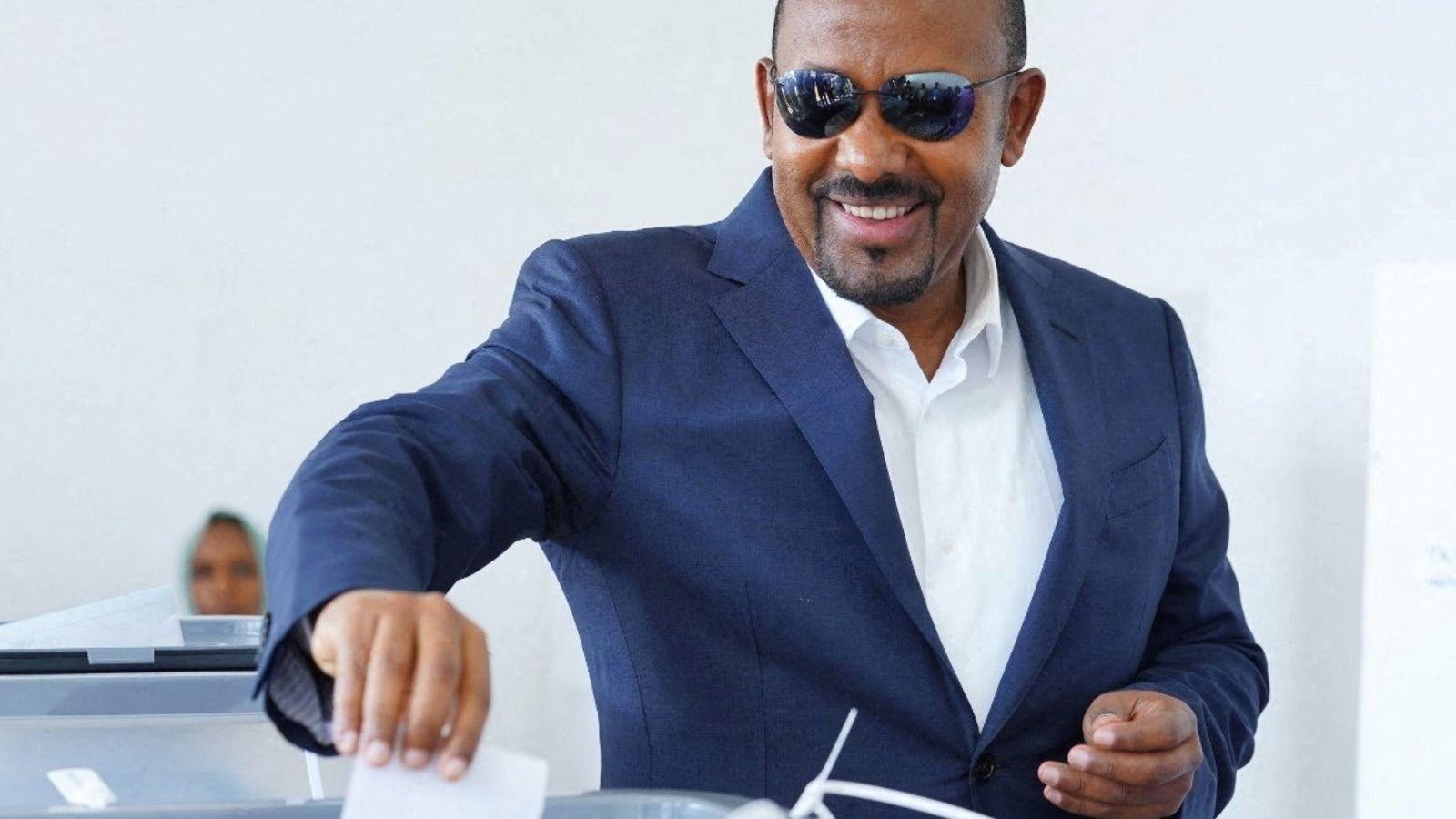
Ethiopia’s recent general election delivered a resounding victory for Prime Minister Abiy Ahmed’s Prosperity Party, which won 438 of the 501 contested seats. Yet the poll was heavily shadowed by growing security concerns, a steep drop in opposition participation and a series of reports indicating an imminent flare‑up of conflict.
Election results and their context
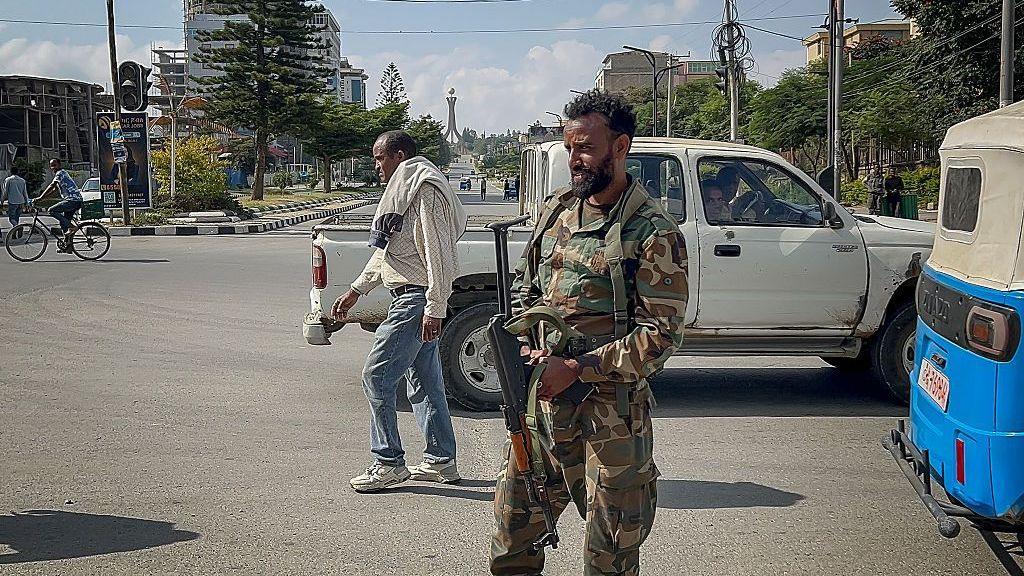
Abiy Ahmed entered office in 2018 amid mass protests and was hailed for attempting to heal long‑standing ethnic divisions. His victory in 2026 extends the party’s dominance, allowing the PM to be sworn in for another term in October. However, the election’s legitimacy is undermined by the fact that 143 polling stations remained closed on voting day in the two most‑populous regions, as armed factions from the Fano militia in Amhara and the outlawed Oromo Liberation Army (OLA) in Oromia rejected the results.
Persistent tensions in Tigray
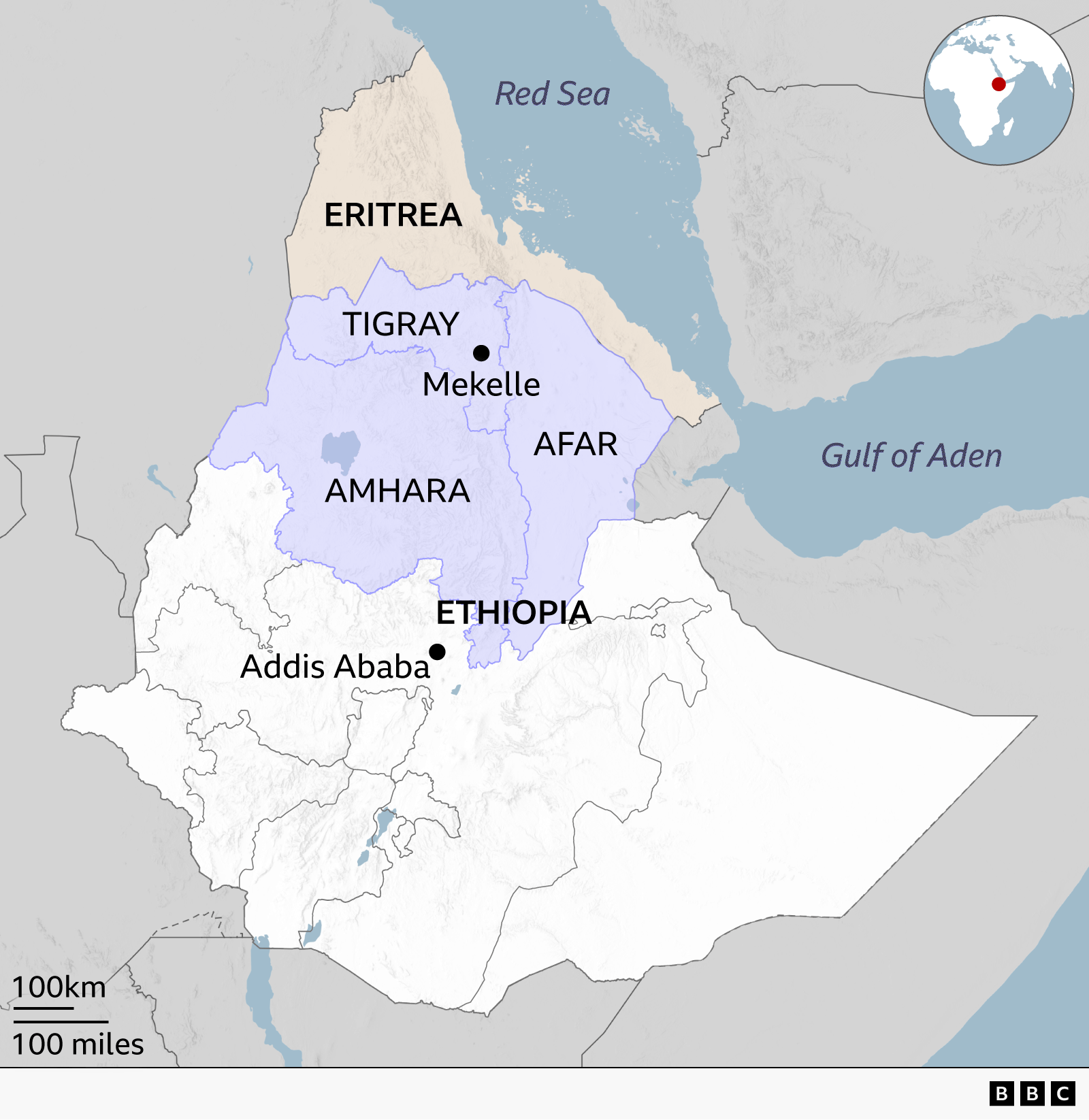
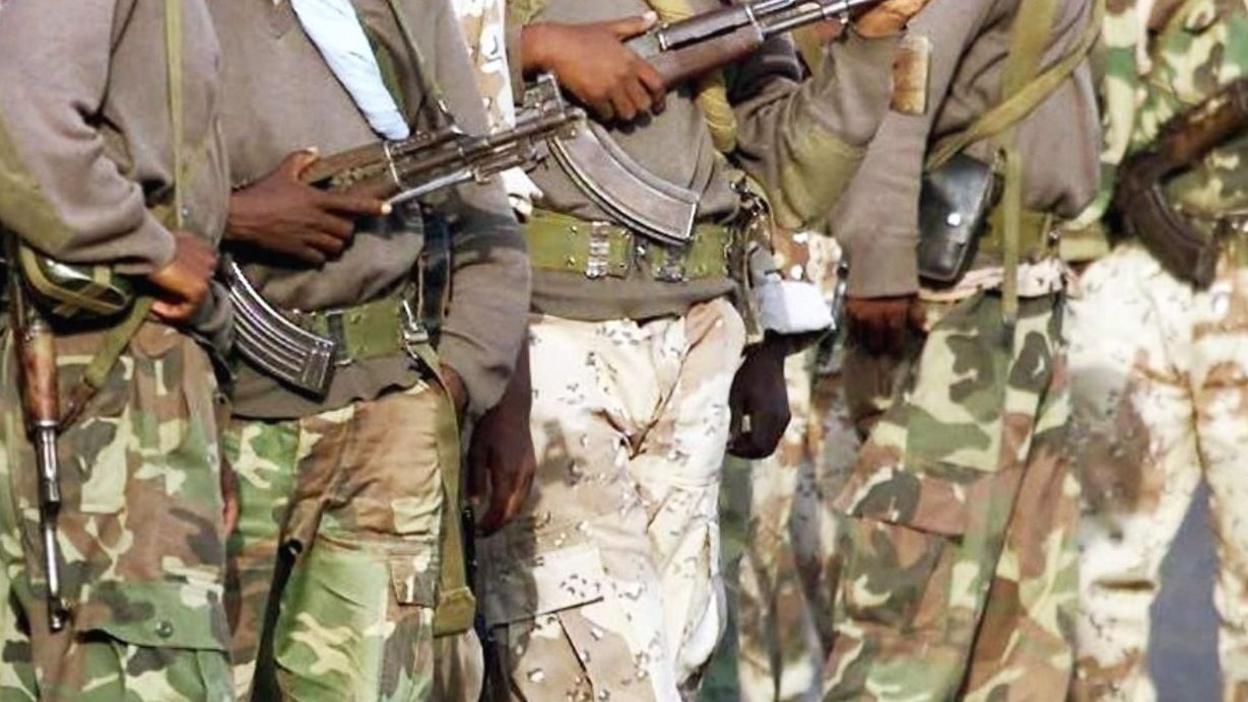
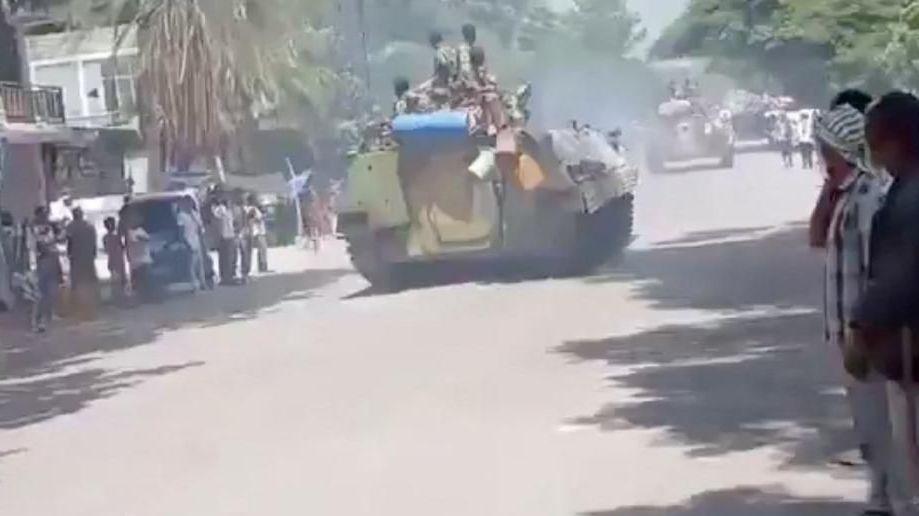
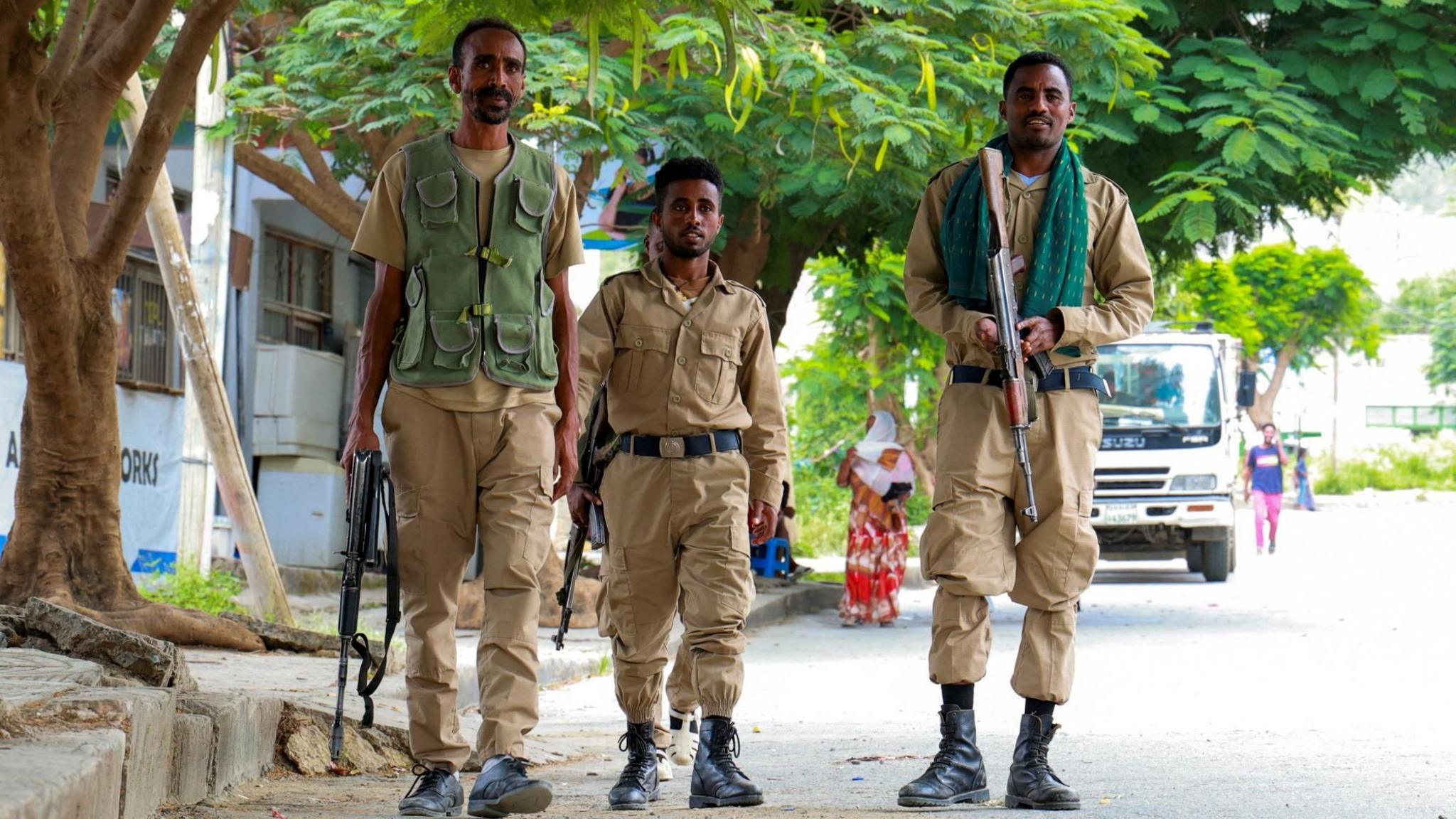
Following a two‑year civil war that only ended in 2022, Tigray’s 38 constituencies were entirely excluded from the poll, citing fears that further fighting could erupt. The region’s dominant party, the Tigray People’s Liberation Front (TPLF), has ongoing accusations of violating the peace agreement signed with Addis Ababa. Local officials deny the existence of forced recruitment, arguing that youths are merely being trained to defend themselves, but analysts caution that the TPLF’s rhetoric and actions—such as the deployment of armed civilians—could be a prelude to a new conflict.
Regional repercussions
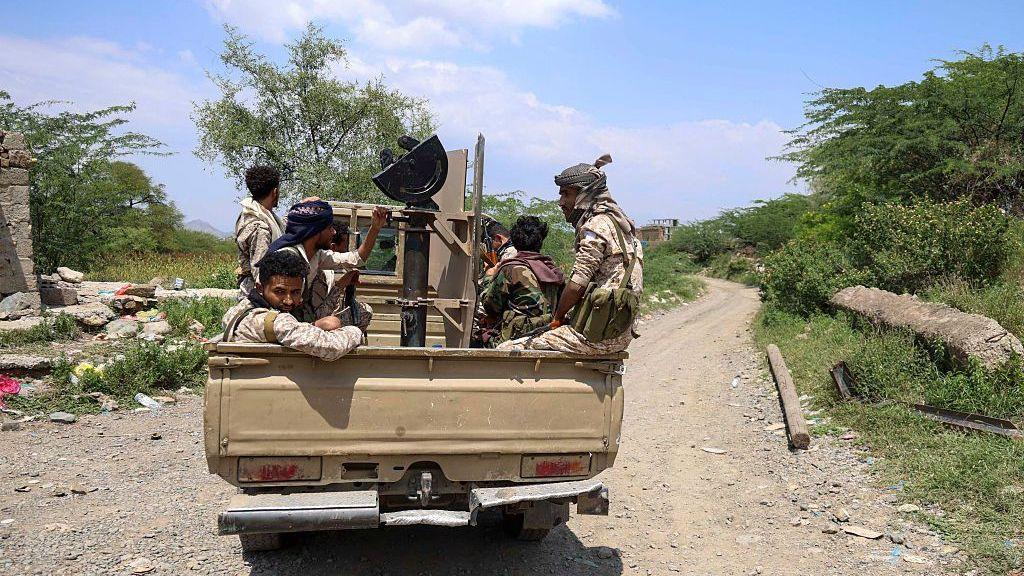
Eritrea, which lost its coastline to Ethiopia upon independence in 1993, has increasingly aligned itself with Tigrayan forces. The United States recently imposed visa restrictions on hard‑line TPLF members and their kin, citing their role in undermining peace in the region. Meanwhile, the Ethiopian government faces criticism for allegedly supporting Sudan’s Rapid Support Forces in the border conflict, a claim that adds fuel to an already volatile mix of trans‑border hostilities.
Expert analysis
Africa analyst Cameron Hudson, who previously worked for the U.S. State Department, warns that “with Addis Ababa’s belief that the TPLF is aligned with Ethiopia’s enemies, there is a real chance this could spiral into a regional conflict centred on Tigray.” He stresses that the current “dangerous scenario” of low‑level tensions risks escalation, and the forthcoming months will be crucial in determining Ethiopia’s future.
While Abiy’s supporters hope for continued economic gains, critics fear that his consolidation of power may exacerbate existing divisions, leading to renewed violence in northern Ethiopia and beyond.