Hezbollah has increasingly utilized small first-person view (FPV) drones in attacks against Israeli forces, employing systems that operate via fibre-optic cables to evade detection by advanced defence mechanisms.
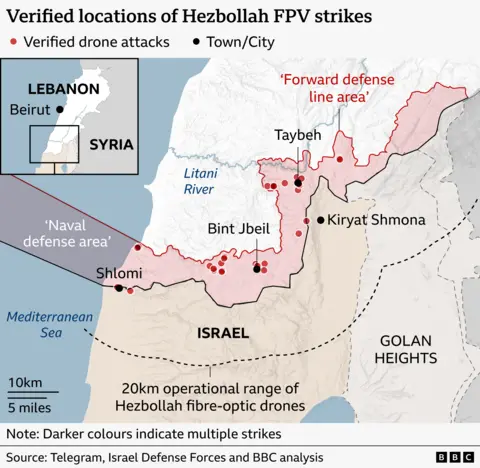
According to BBC Verify, 35 videos shared by the Lebanese group since March 26 have been geolocated, showcasing strikes on Israeli soldiers, armoured vehicles, and air defence systems in both southern Lebanon and northern Israel.
Experts noted that the Israel Defense Forces (IDF) have so far struggled to develop effective countermeasures against these drones, which can easily bypass their sophisticated detection systems. The drones can be constructed using readily available and 3D-printed components, making them relatively inexpensive compared to the high-value military targets they aim for.
The widespread adoption of cheap FPV drones has transformed the dynamics of modern warfare, as evidenced during the Russia-Ukraine conflict. Reports suggest that these drones have claimed the lives of several IDF soldiers and civilians, with ongoing assessments of the damage they inflict.
Despite the challenges posed by these drone attacks, the IDF has recognized the threat and is investing resources into improving defensive strategies and training soldiers to enhance readiness and situational awareness against such threats.
Military analysts indicate that the FPV drones, many of which are locally assembled and utilize fibre-optic technology, complicate the process of detection and interception significantly, leading to increased caution among Israeli troops.
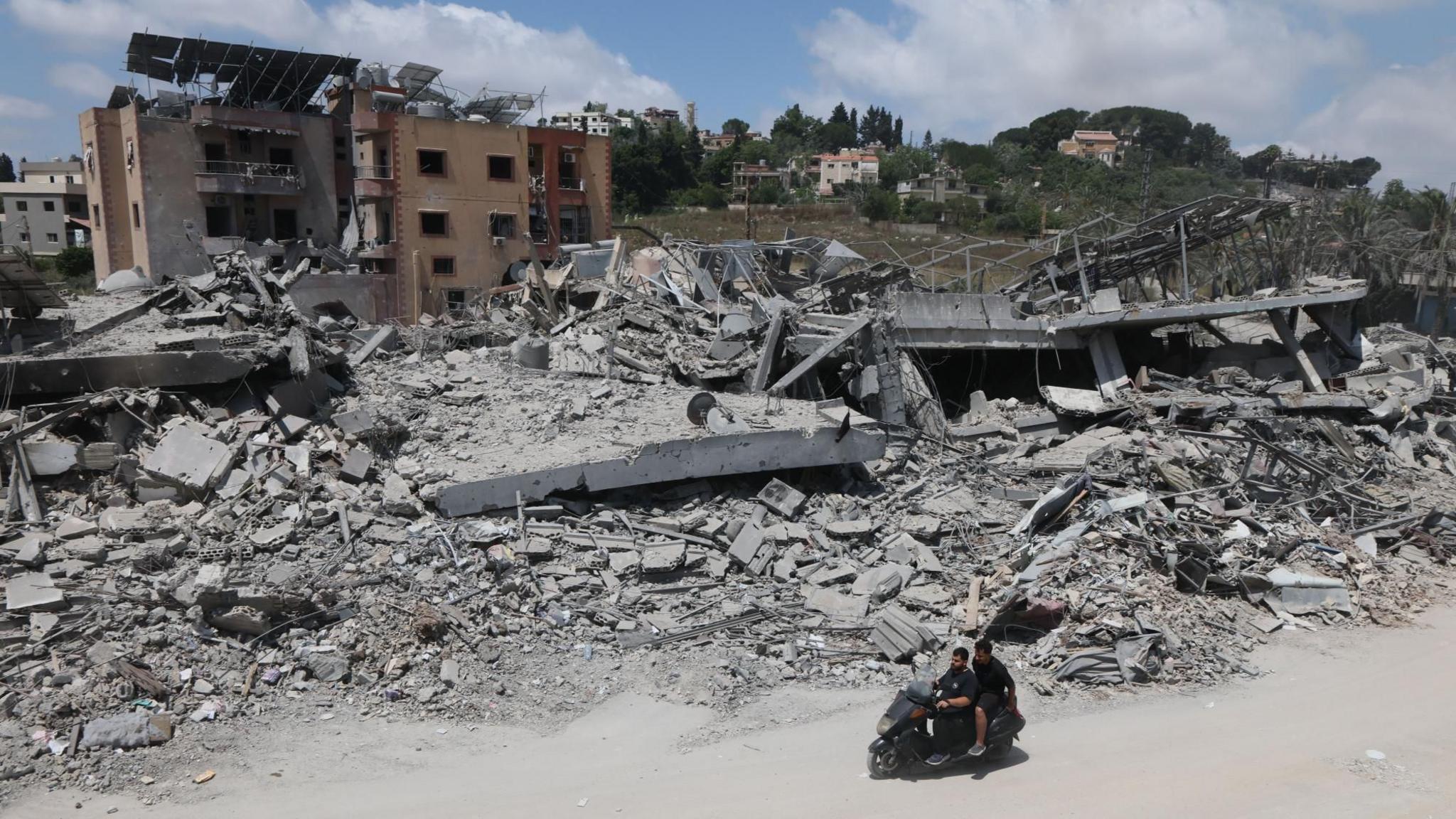
This escalation of conflict began earlier this year, following military actions resulting in significant casualties on both sides. The situation remains tense as Lebanon reports extensive displacement of its population amid ongoing hostilities.