Moscow Oil Refinery Attack Brings Russia’s War with Ukraine Closer
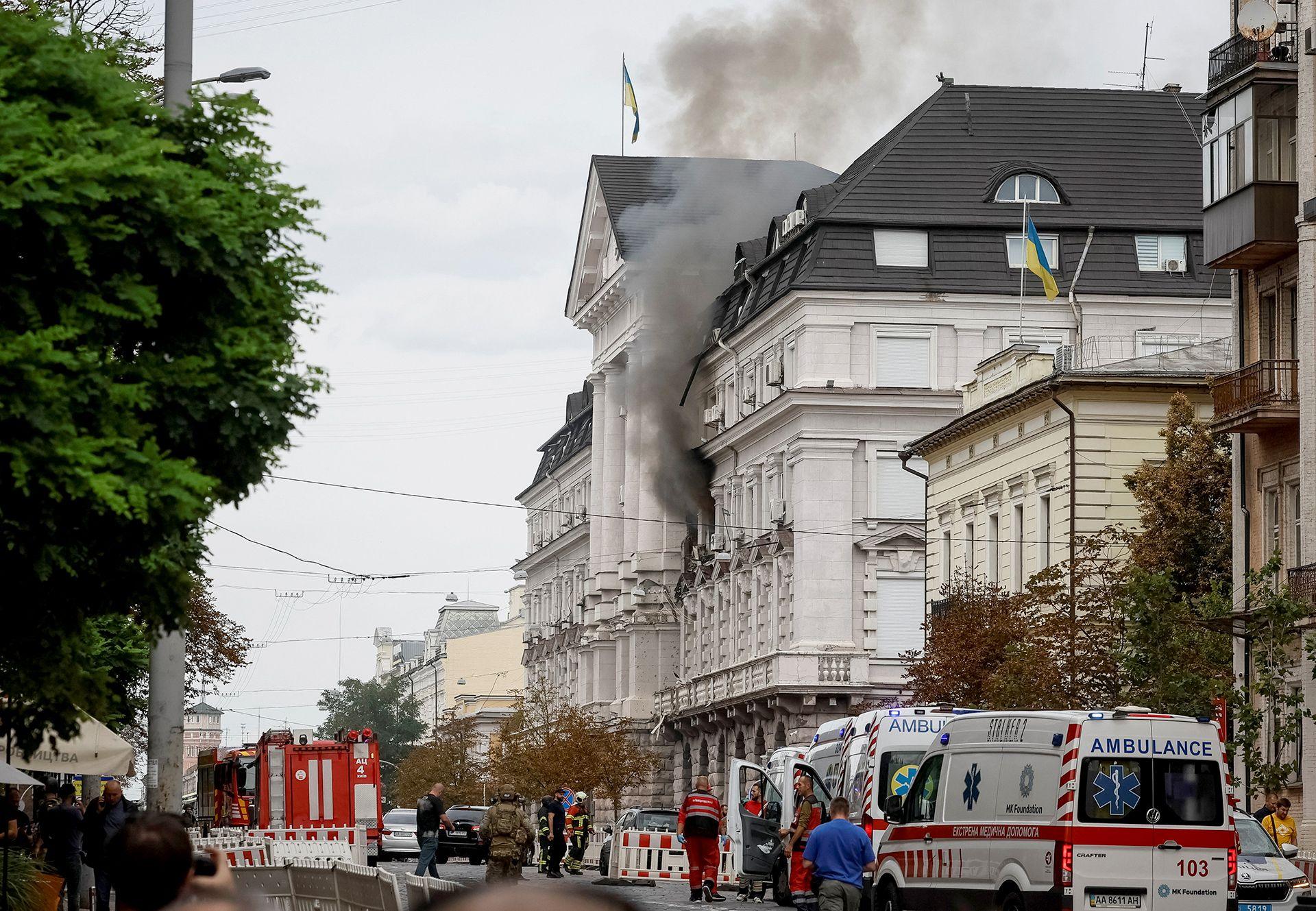
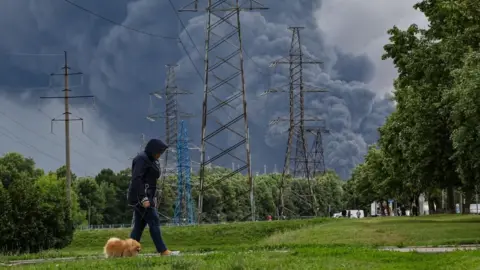
The air over Moscow suddenly turned black on Thursday morning, the thick smoke from a Ukrainian drone strike at an oil refinery in the city’s south‑east. The flames and gray clouds spread across the skyline, yet many residents went about their day unchanged: anglers fished on ponds, children played on swings and shoppers moved through supermarkets as if nothing unusual had happened.
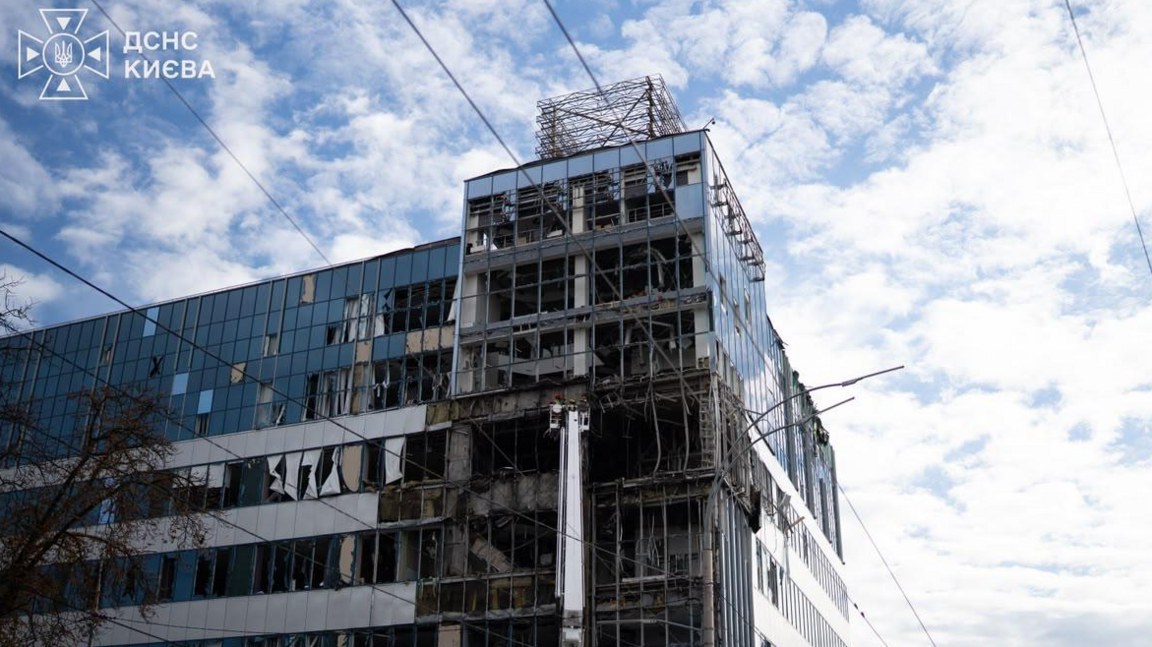
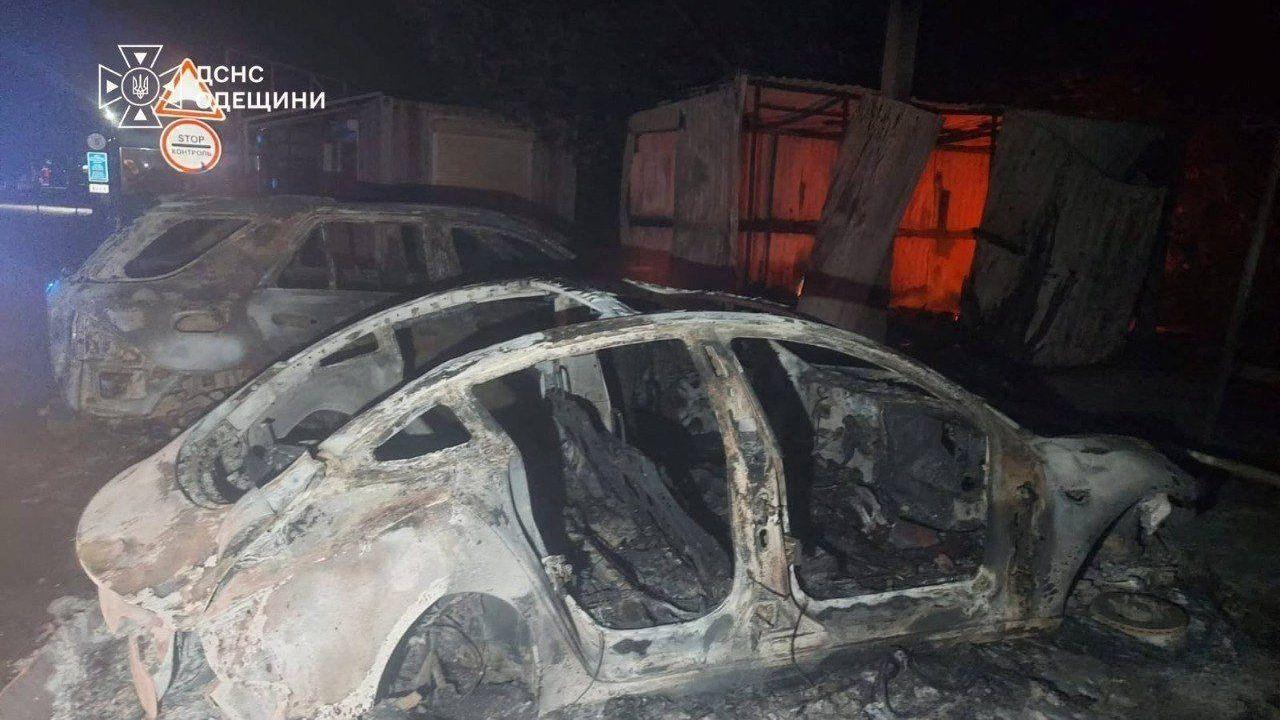
The attack was the biggest aerial assault on the Moscow region since the full‑scale invasion began. In addition to the refinery, the strike damaged shopping centres and residential buildings. The governor of the Moscow region reported that an eight‑year‑old girl died in a fire sparked by a drone hit.
Local residents like Slava and Nadezhda described the event with a mixture of shock and fatalism, noting how far the front lines have moved toward the capital. “I heard explosions and saw so much smoke. It was something you normally only see in movies,” said Slava, who lives opposite the refinery. Nadezhda, reflecting on her country’s long history and the ongoing conflict, said “today we have all the resources we need, but this war continues.”
Russian state media and the Kremlin framed the strike as evidence that Ukraine is suffering far more than Russia. Articles in Komsomolskaya Pravda and Moskovsky Komsomolets repeated that Russian attacks on Ukrainian military infrastructure are far more effective than any Ukrainian retaliation. Rossiyskaya Gazeta and Kommersant echoed a similar message, praising Russia’s strikes on facilities linked to Ukraine’s military‑industrial complex.
President Vladimir Putin made no mention of the attack in his television briefings or during a visit to the Russia‑ASEAN summit in Kazan on the same day; his spokesman Dmitry Peskov later told reporters that footage of Ukrainian strikes would continue to show Russia’s “far more powerful” campaigns.
Despite the Kremlin’s narrative, experts warn that long‑range Ukrainian strikes, especially on Russian oil facilities, are increasingly straining the country’s economy. Reports have emerged of petrol shortages, rationing and rising fuel prices in many parts of Russia. Moscow’s officials are preparing for a continuation of such attacks.
For the people living in the Moscow region, the black smoke from the refinery and the certainty of future strikes signify a new normal in a war that has moved from outskirts to the heart of the Russian capital. Some residents have expressed resignation, noting that it is their government’s duty to decide how to respond, while many simply watch as the war’s reality becomes a daily backdrop to life in Moscow.