Qatar’s Largest Gas Facility Suffers Nighttime Explosion Killing 13
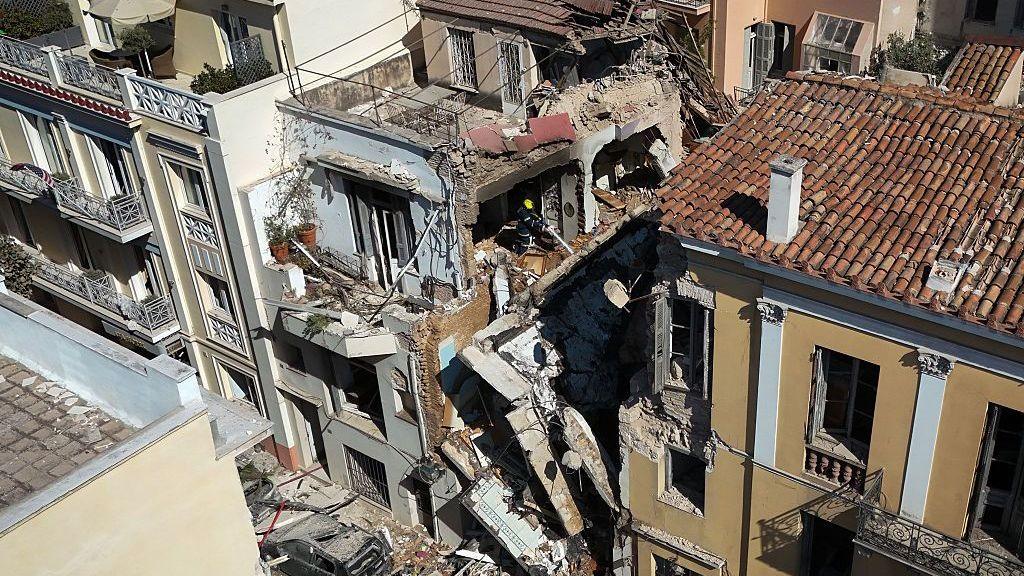
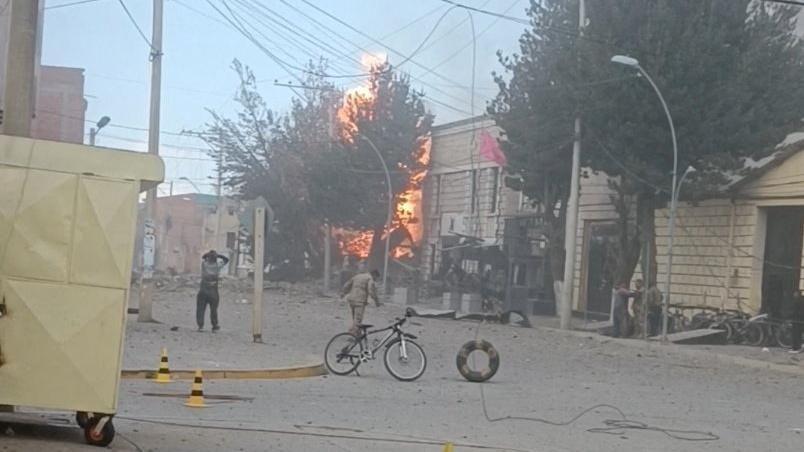
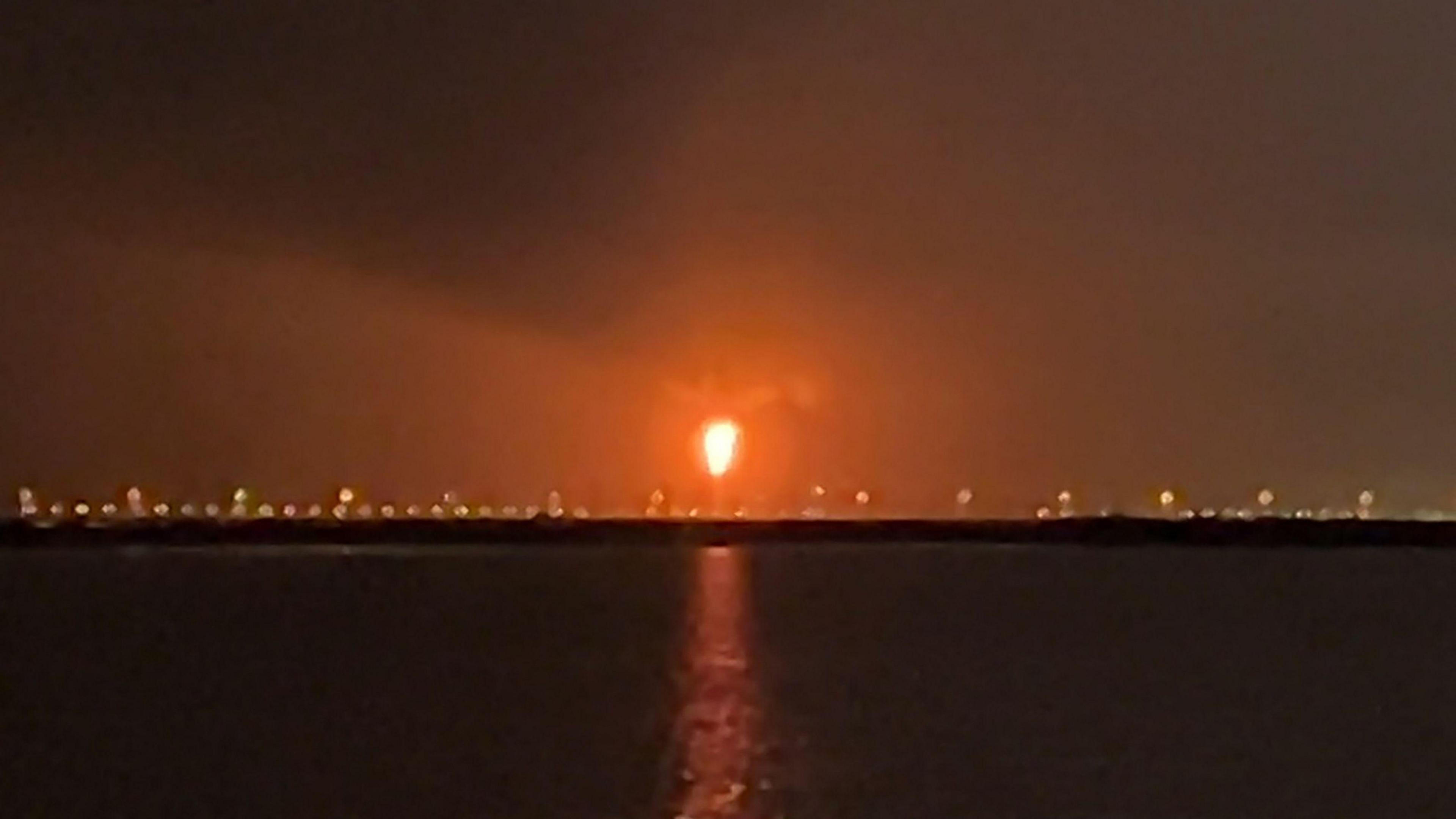
At 11:18 p.m. on June 21, a blast tore through Qatar’s Ras Laffan industrial zone, setting the sky ablaze and raising the main skyscrapers of Doha in a shocking display of orange light.
Interior ministry officials called it a “technical accident” that ruptured the Barzan local gas supply system. Fourteen workers were trapped inside when the explosion triggered the plant’s emergency fire suppression crews, who have since reached the site but came back to a scene of twisted metal and shattered glass.
Energy Minister Saad Sherida al‑Kaabi confirmed that the incident has not compromised Qatar’s export capacity. He ruled out sabotage or hostile intent, stating that the blast was purely accidental. The U.S. Embassy in Doha said they were reviewing the incident with Qatari authorities to ensure critical safety checks.
Raf Laffan hosts the world’s largest LNG export facility, with 80 % of the facility’s production suspended during the 2025-2026 energy crisis. Production had just resumed two days earlier after a heavy‑maintenance shutdown, but the explosion brings the shutdown back on track and adds to the strain on global gas markets.
The death toll sits at 13, all foreign nationals from India and Pakistan. The Embassy of India in Doha posted a statement of condolences and an offer of assistance to affected families. Forty‑six of the injured were cleared to local hospitals, where they are receiving treatment for burns and smoke inhalation.
The explosion comes after a series of strikes on Qatar’s maritime facilities by Iranian-backed groups during the US‑Israel war with Iran. Those assaults damaged several container ships in October, bringing additional stress to the already overstretched shipping lanes. While the latest blast is unrelated to those attacks, security officials will monitor for further pressure on the site.
A thorough investigation has begun, with the Qatar Energy company and the Ministry of Interior inspecting the corroded pipe lines and the fire suppression system. The investigations aim to identify whether process control lapses or equipment failure led to the tragedy. The energy ministry stated that the site may take several weeks to reopen, depending on the findings and repair needs.
This incident highlights the physical human cost of the fight for energy security in a volatile region, reminding the world that even the largest harnesses of natural wealth carry fragile margins built on safety protocols and vigilant oversight. All eyes now turn to how the government and the company will address the derailing of one of the world’s most critical energy infrastructures.